5 min read
Weekday-only alarms: setting repeat days in NoNap
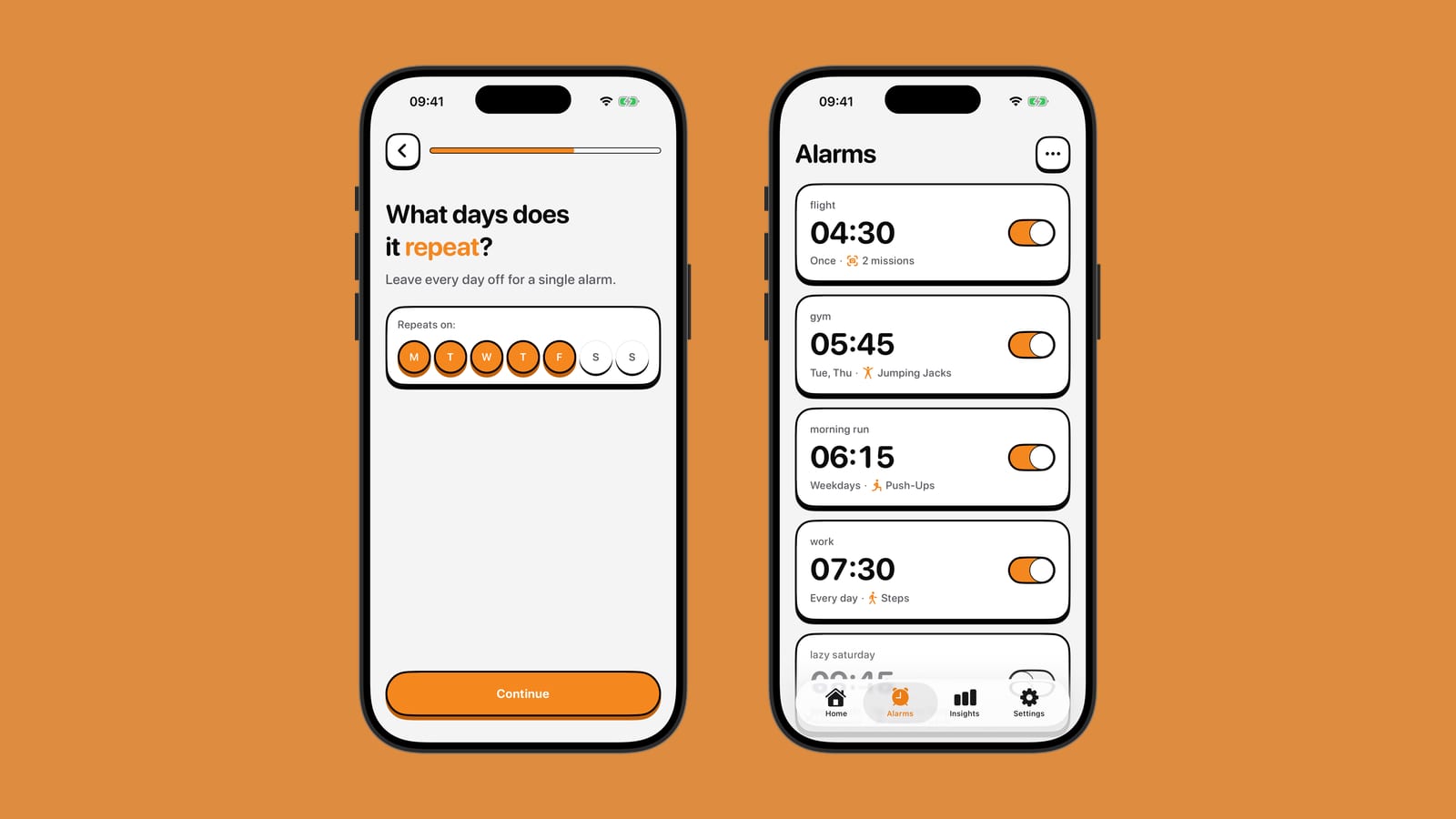
How NoNap's repeat days work: pick the weekdays for one alarm, leave every day off for a one-time alarm, and read each setting in the alarms list.
Blog
Short reads on sleep inertia, alarms and mornings, from the team building NoNap.
5 min read
How NoNap's repeat days work: pick the weekdays for one alarm, leave every day off for a one-time alarm, and read each setting in the alarms list.
5 min read
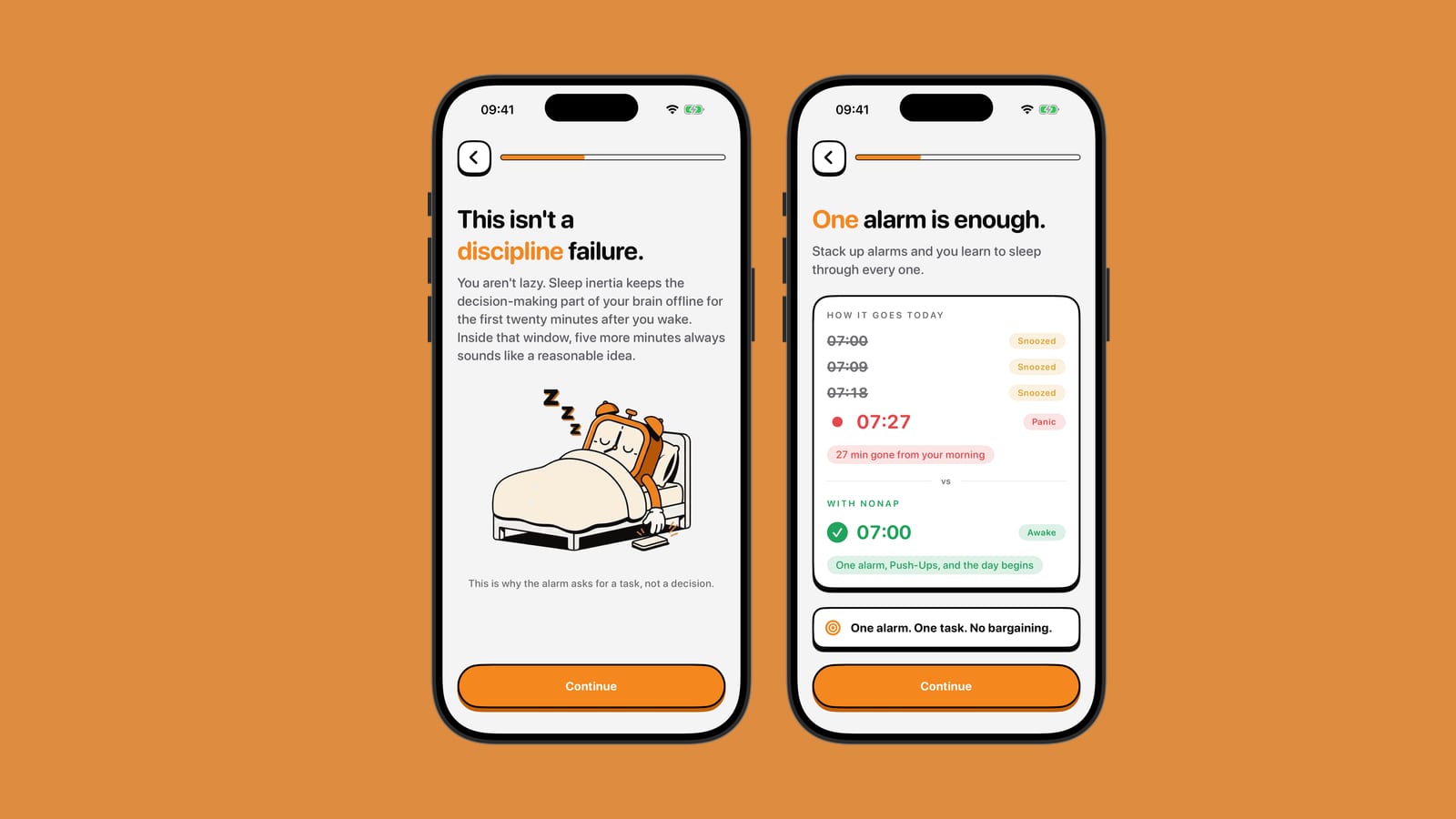
Sleep-deprived adults often feel alert while their attention slips. What a 2003 study and two 2023 to 2024 studies on waking found, and why it matters.
5 min read
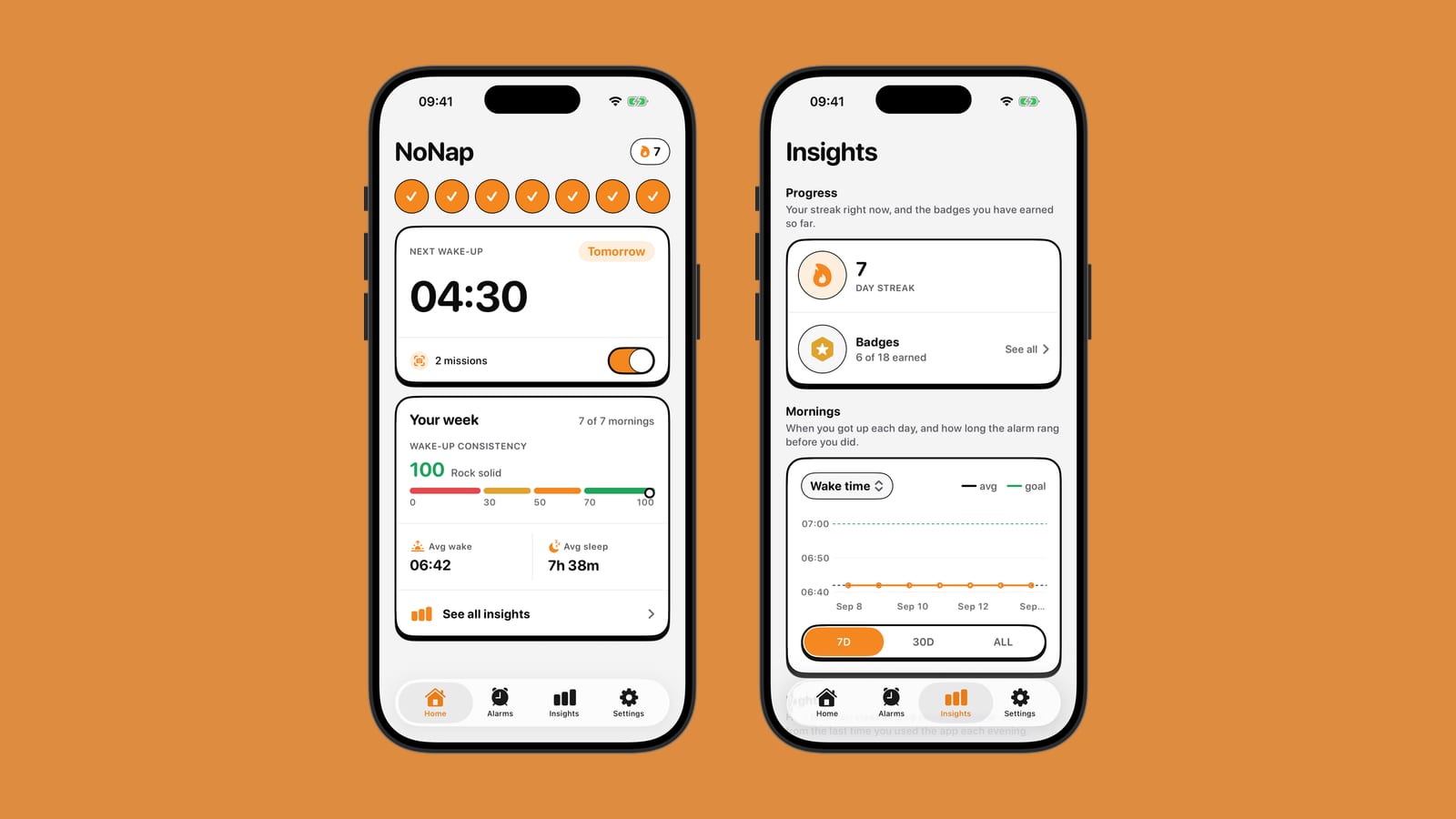
The afternoon slump has a body clock component that a heavy lunch can make worse. Here is what the sleep research found in trials and models, and what helps.
4 min read
Back sleeping was linked to more wake-ups in a 2024 lab study and to snoring in reviews. What the evidence shows, where it stops, and when to see a doctor.
4 min read
Dreams fade within minutes of waking because of how the brain handles memory during REM sleep. What the awakening studies show, and how to keep one.
4 min read
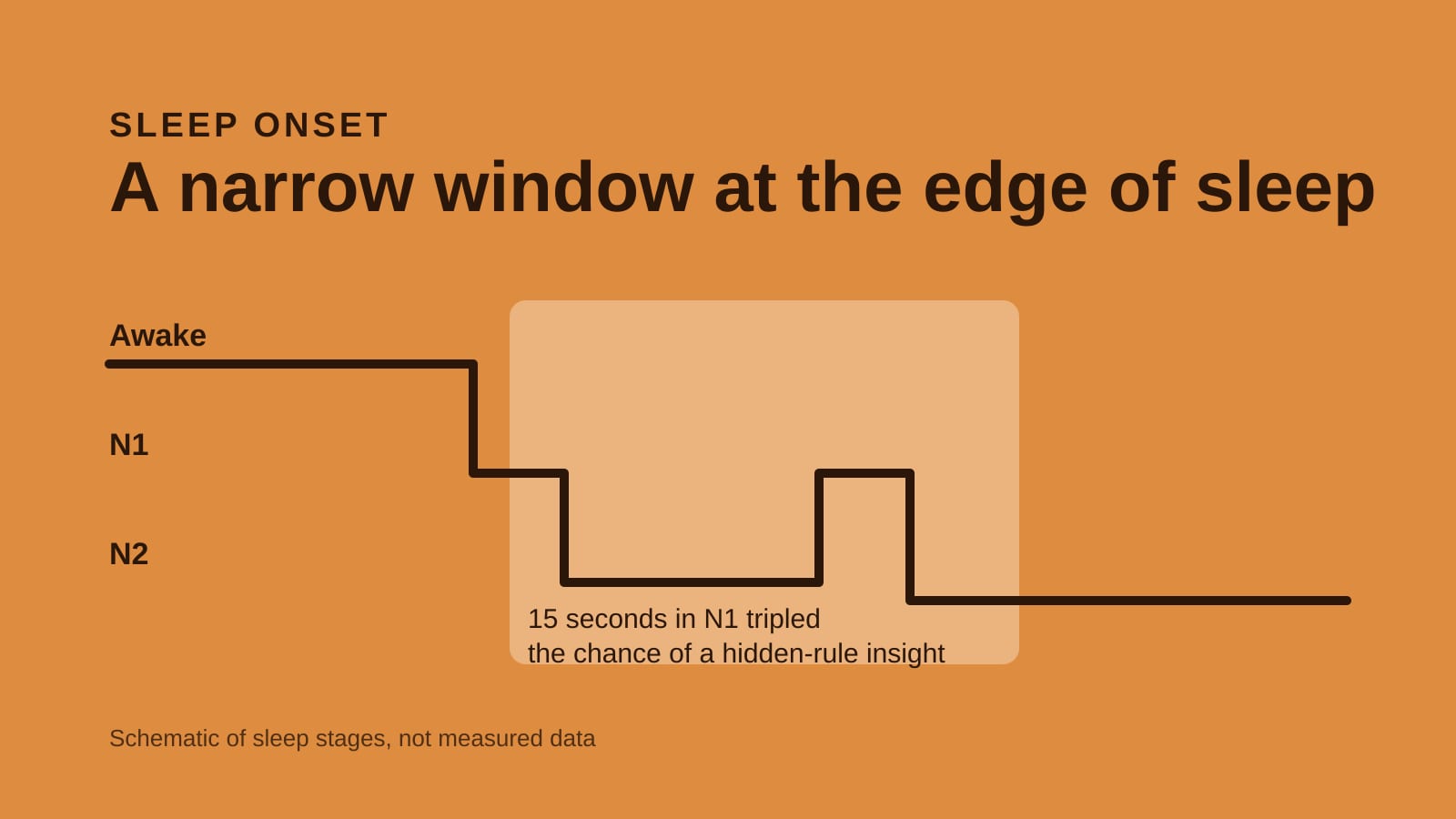
Some lab studies link sleep to sudden insight, but the findings disagree. Here is what the REM and light-sleep research found, and what it leaves open.
5 min read
Smokers take longer to fall asleep and get less deep sleep. What sleep lab studies found, why withdrawal may wake you, and what quitting seems to change.
4 min read
Core body temperature hits its low in the middle of a typical night, then climbs toward morning. Here is what measurements show about that rhythm and waking.
5 min read
A 2018 sleep lab study found that writing tomorrow's tasks before bed may help people fall asleep. Here is what it tested, and where its limits are.
4 min read
Nicotine fragments sleep while you use it, withdrawal adds arousals, and early-morning waking may be the link. What three studies found, and their limits.
4 min read
Two lab studies found that short nights blunt how the body handles glucose and insulin, even in healthy adults. Here is what they measured and where they stop.
5 min read
Up to 85% of adults report a nightmare each year. What the research says about how often they happen, the link to trauma, and which treatments work.
5 min read
Waking once a night to pee is common. What the ICS definitions, prevalence figures and bladder diaries say about when it starts to matter for your sleep.
6 min read
A week-long trial found reading in bed improved sleep for more people, but tablets act differently and insomnia guidance says keep the bed for sleep.
5 min read
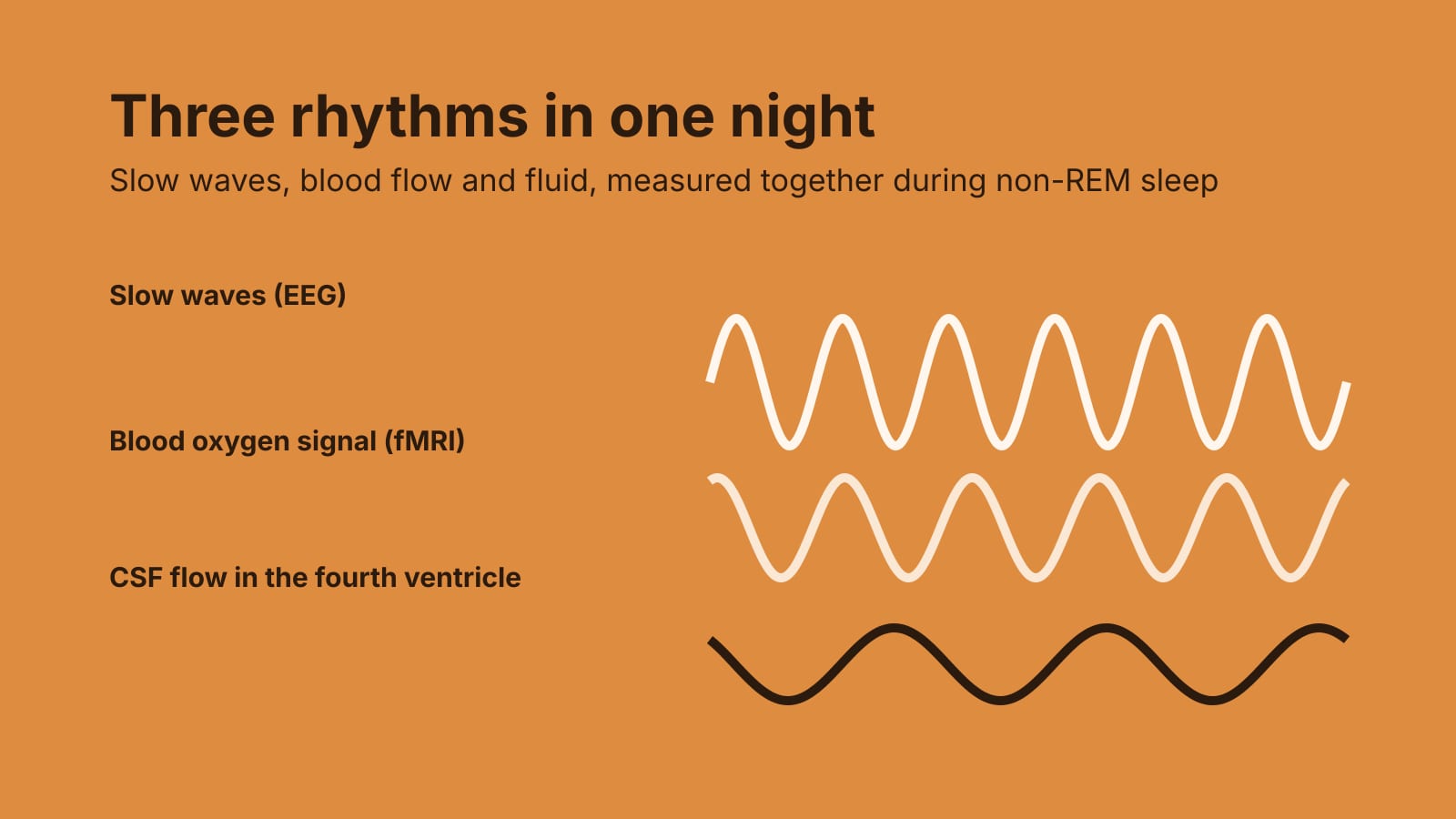
Mouse and human brain studies suggest fluid flows through the brain during sleep and may clear waste. Here is what the evidence shows and where it is unsettled.
4 min read
Morning headaches are linked to sleep apnea in some studies and not others. What two large studies found, and when a headache on waking needs a doctor.
4 min read
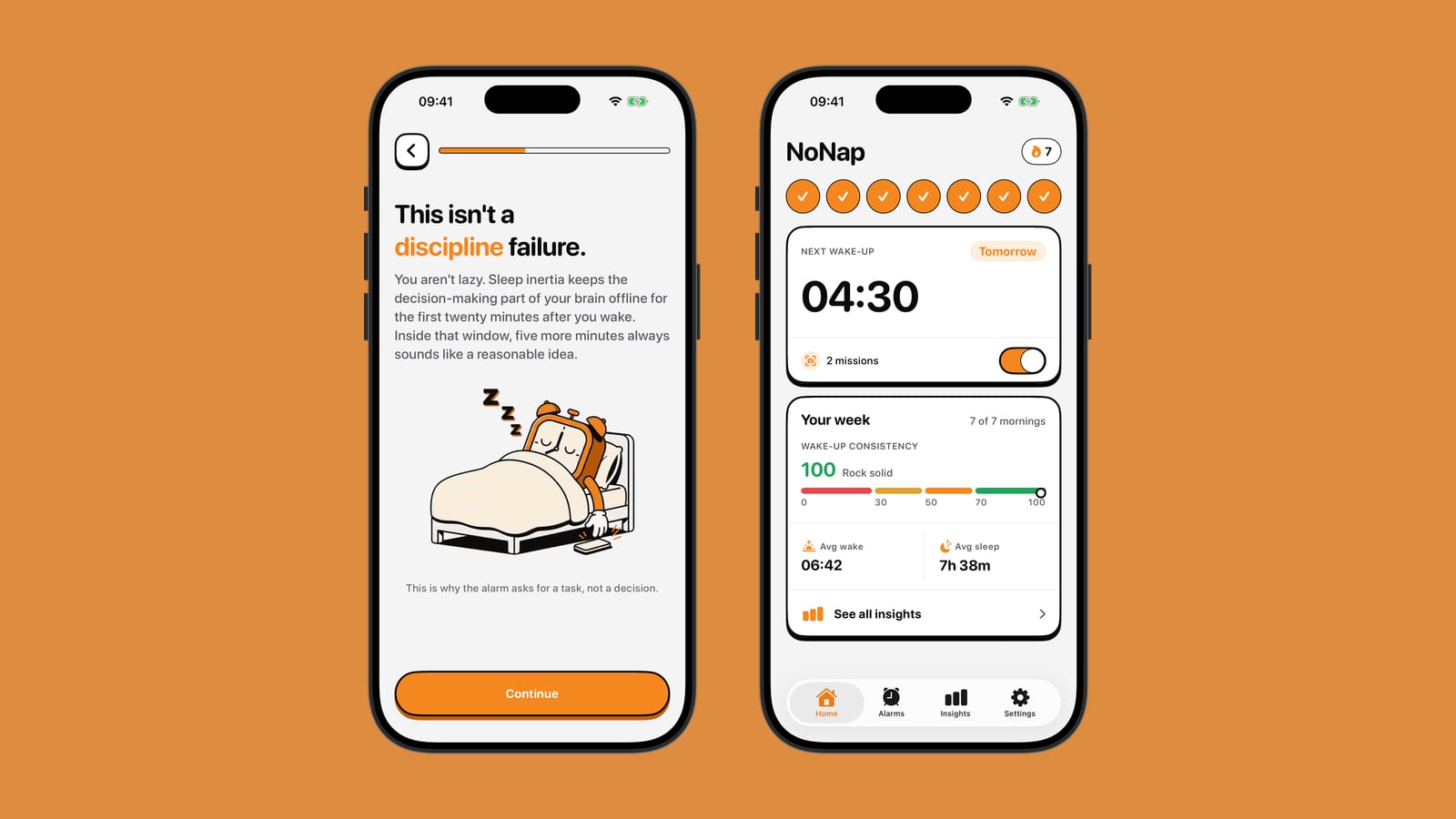
Waking while your body clock is in its night phase makes the first 20 minutes much harder. What a 2008 study found, and what it cannot yet prove.
5 min read
Two controlled studies gave healthy adults a cold virus after measuring their sleep. Short sleepers caught colds more often, though the samples were small.
4 min read
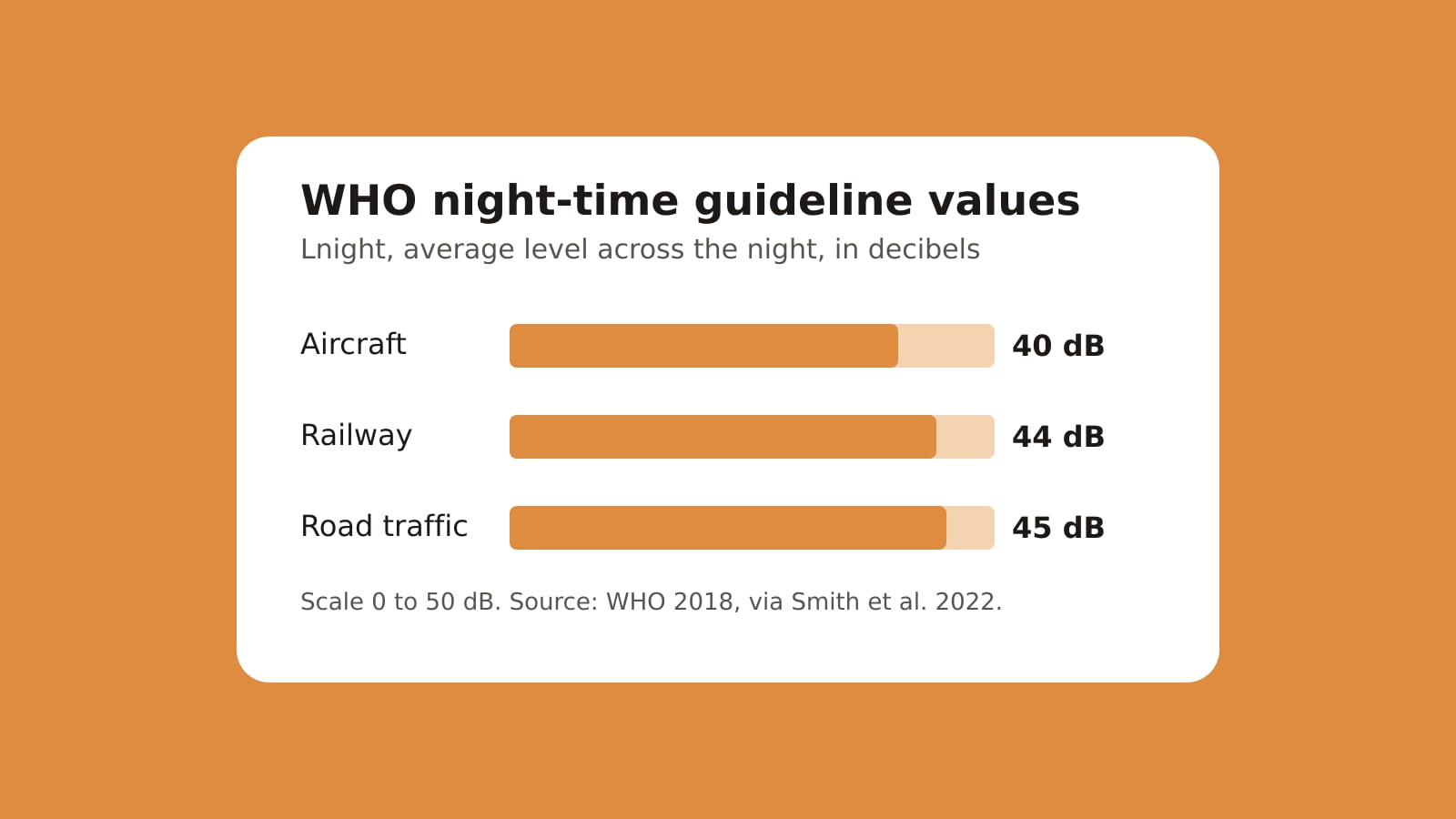
Night traffic noise is linked to more awakenings and sleep disturbance. Here is what the WHO's 40 to 45 decibel night limits mean and how solid the evidence is.
5 min read
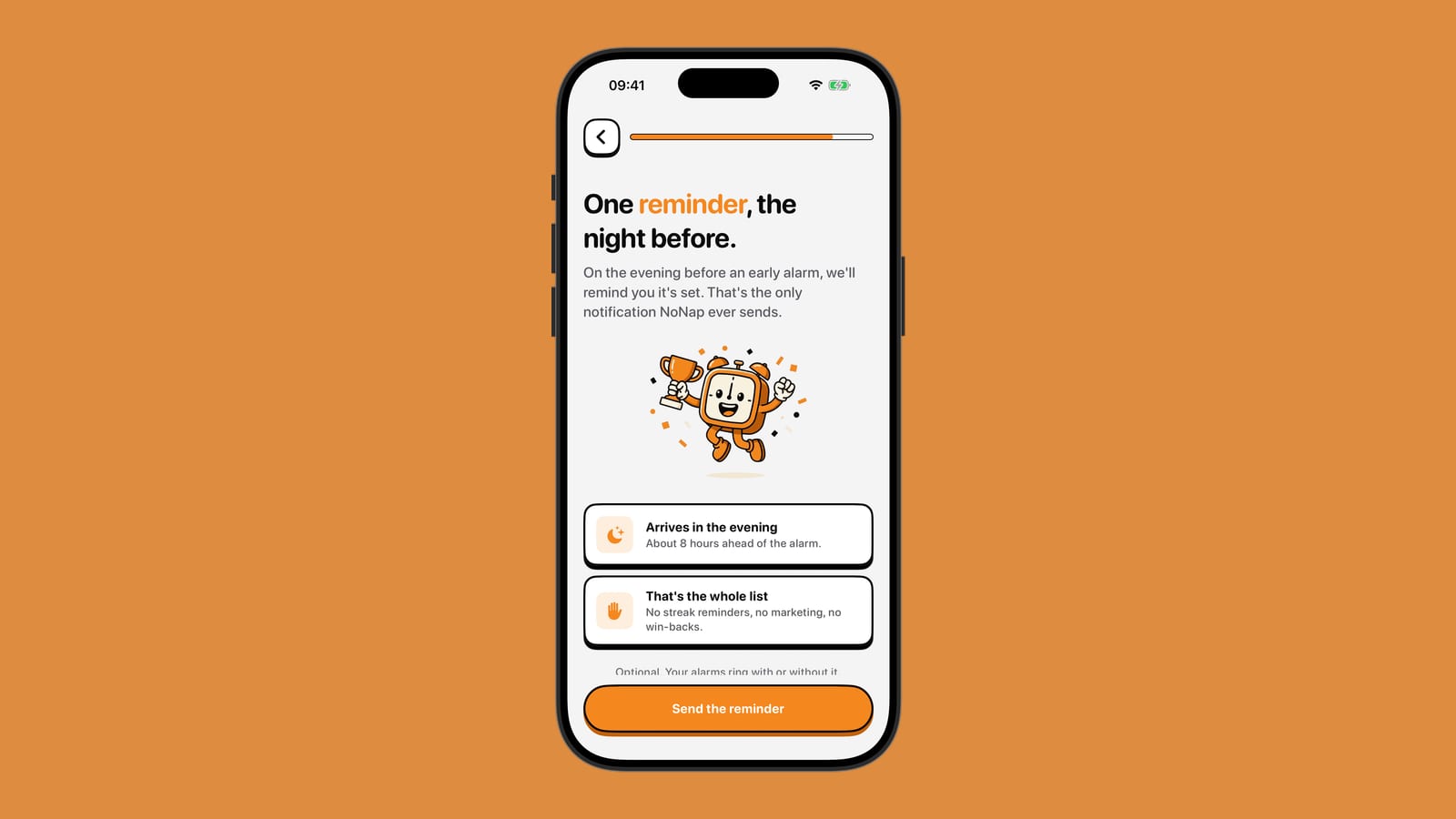
What two lab trials and two reviews found about late dinners, blood sugar, cortisol and sleep, and why the answer depends on your habits and portion size.
5 min read
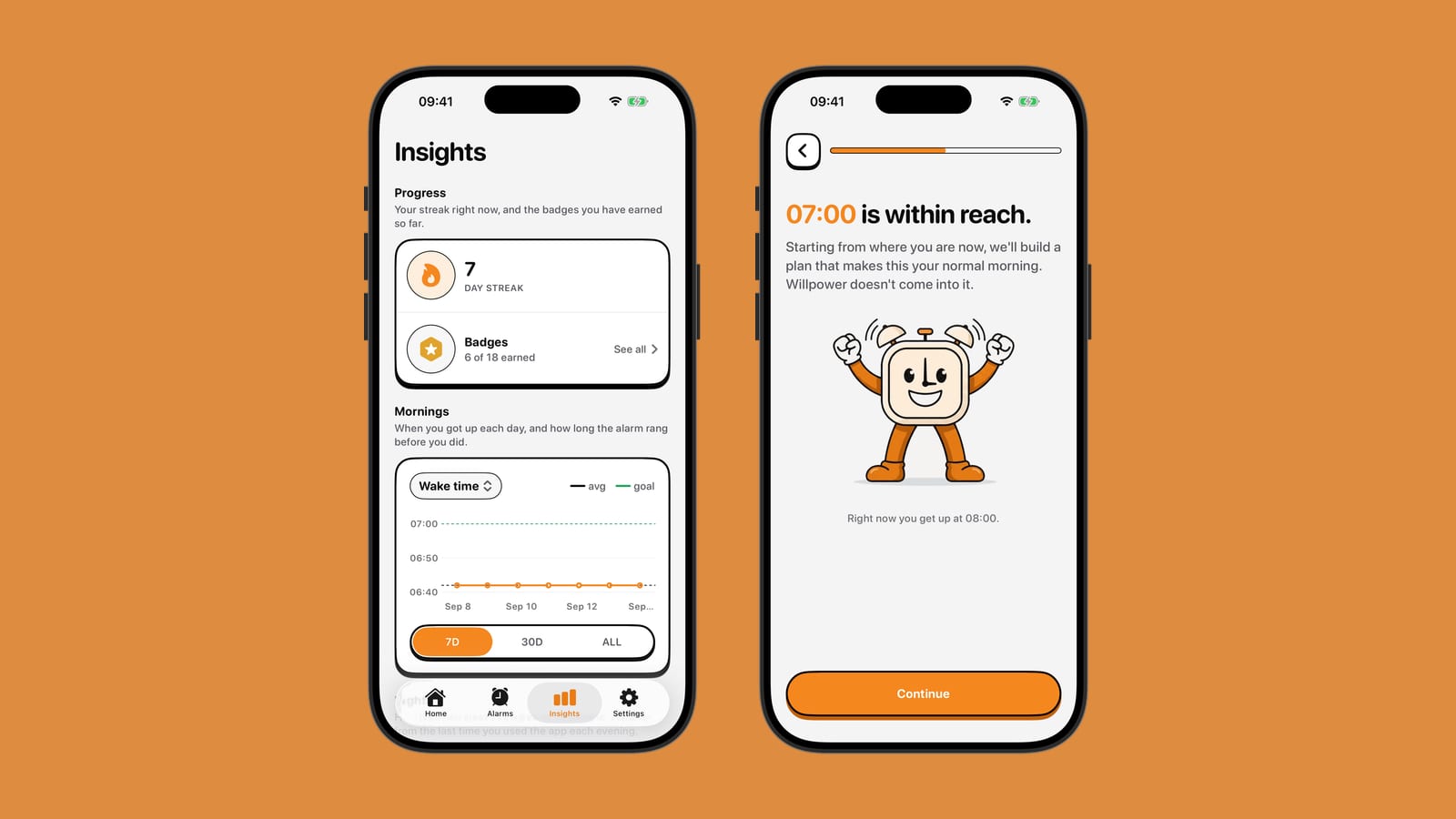
A 2023 study tied sleep regularity to death risk more closely than sleep length. Here is what the score measures and what the evidence can and cannot prove.
4 min read
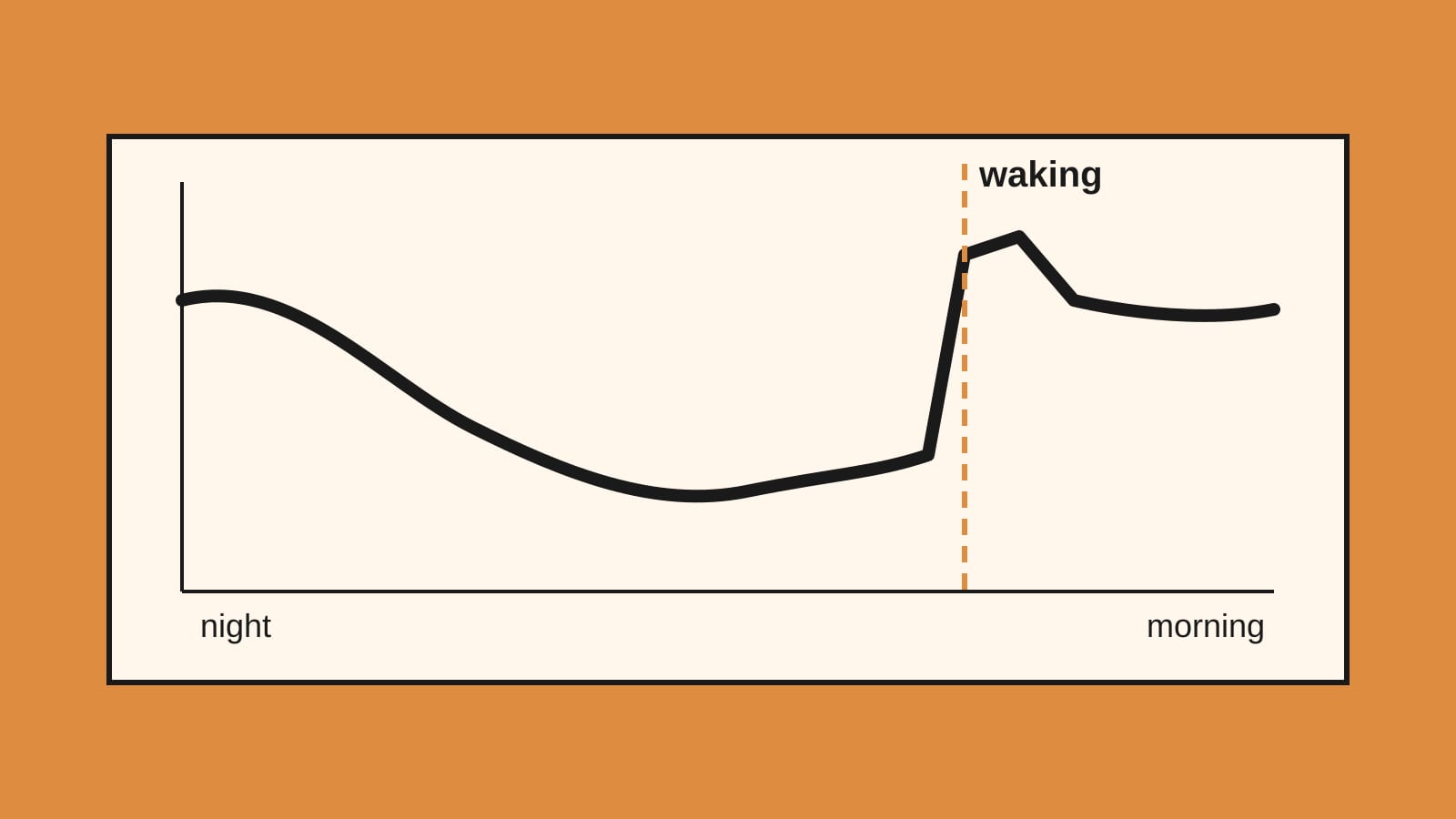
What the morning blood pressure surge is, what may cause it, what stroke studies show so far, and when to ask a doctor to check your pressure.
6 min read
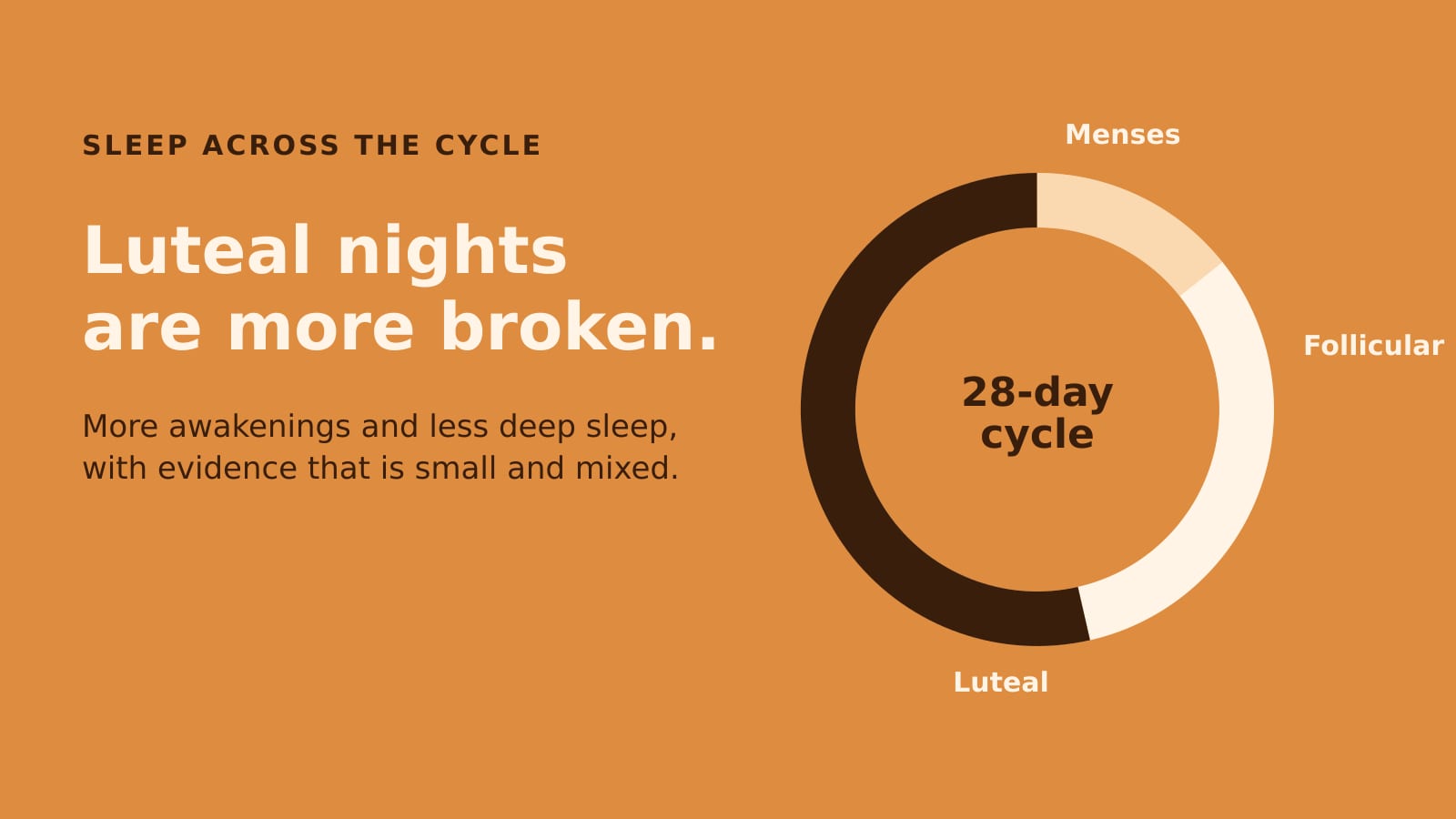
What overnight sleep studies show about the menstrual cycle: more waking and less deep sleep in the luteal phase, and why the evidence is still limited.
4 min read
What heart rate variability measures, why wearables read it most reliably during sleep, and why one morning's readiness score says less than a trend.
5 min read
Yawns cluster at the start and end of sleep, but the reasons are disputed. What the brain-cooling idea, its critics and sleep inertia research show.
4 min read
Sleep does not switch hearing off. A 2022 study found sleeping brains respond more to unfamiliar voices, and that K-complexes decide how much gets processed.
6 min read
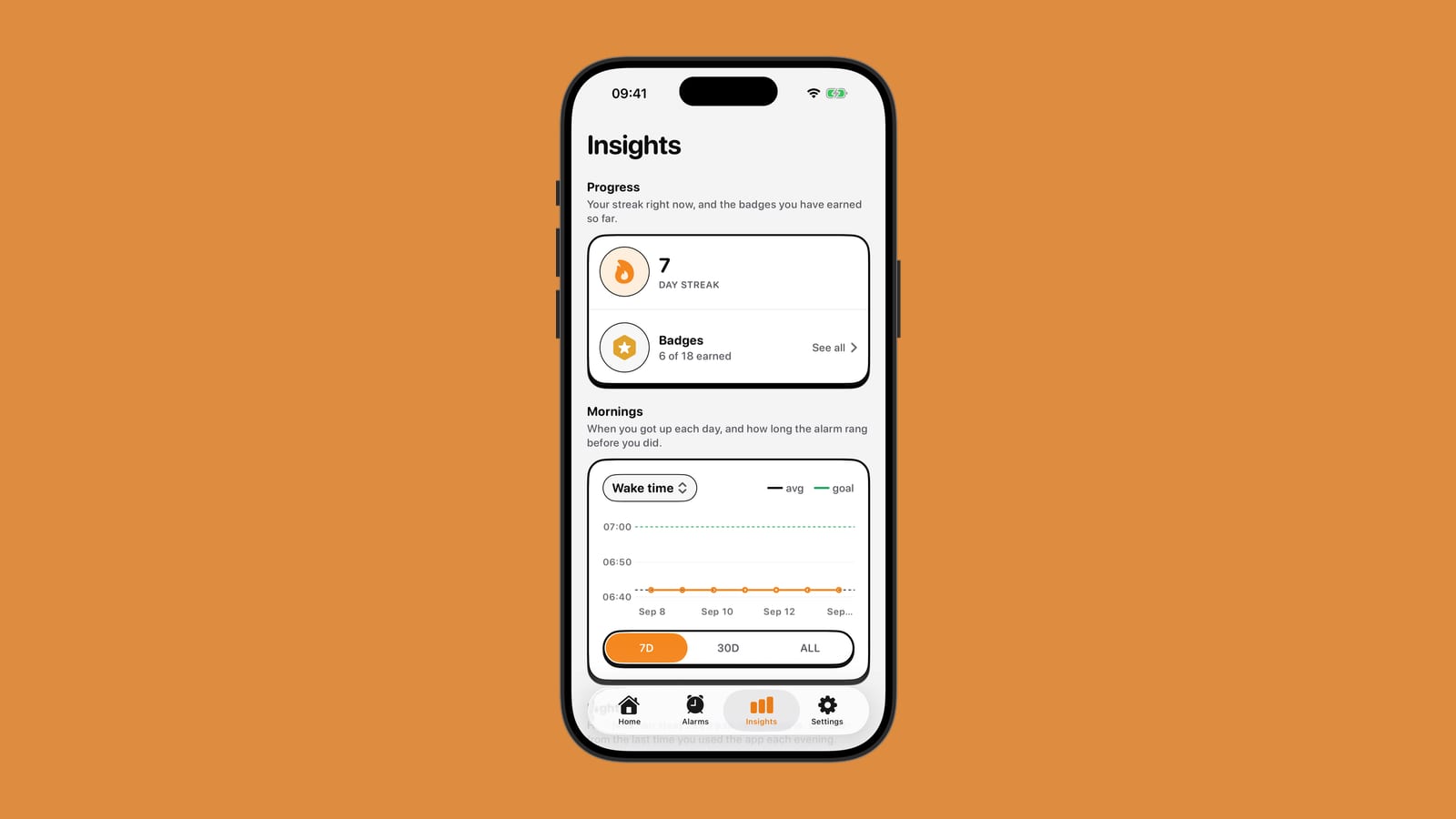
The time you set and the time you got up are different numbers. How to read a wake-up chart, and what sleep regularity research says about the gap.
4 min read
Hypnic jerks are the sudden twitches that startle you as you drift off. What research says about their cause, what may raise the odds, and when to see a doctor.
4 min read
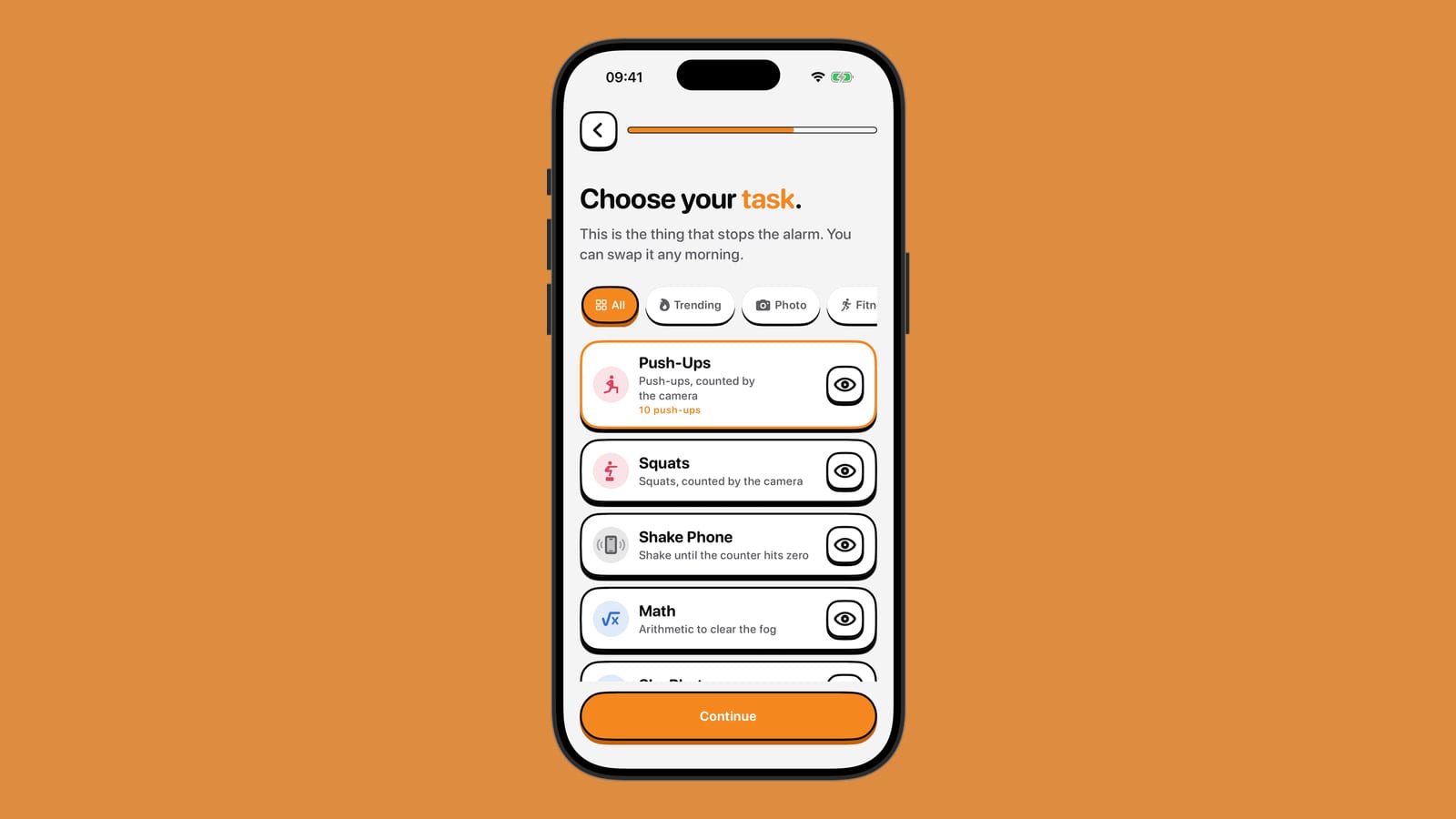
Both apps use wake-up tasks instead of snooze. Here's how they differ on features, privacy, sleep tracking, and cost.
6 min read
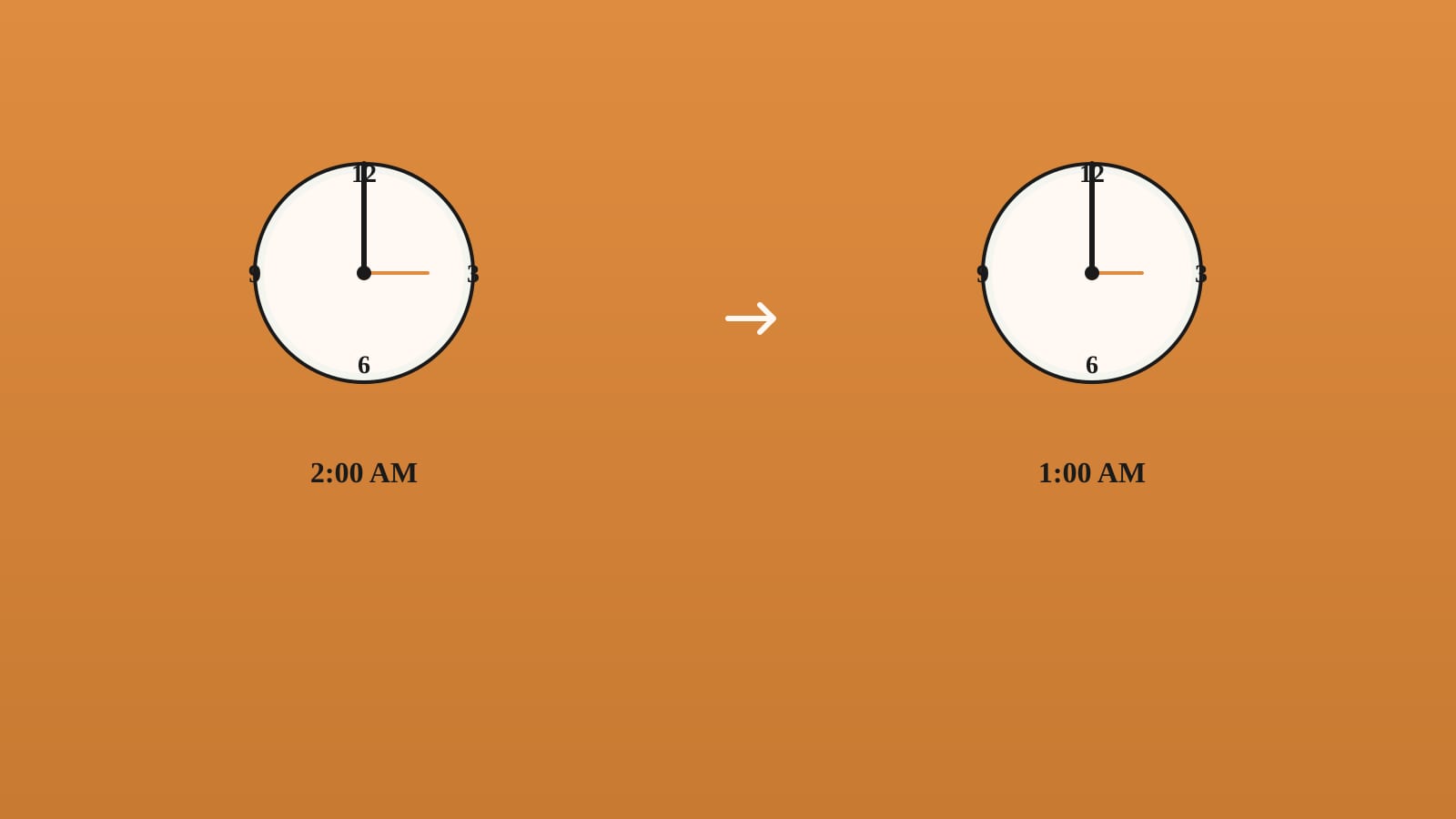
Daylight saving time disrupts your body clock, but falling back is easier than springing forward. Here's how to adjust smoothly.
5 min read
Your sleep schedule drifts after travel, a late night binge, or seasonal change. Here's how to reset your body clock in about seven days.
7 min read
Why testing your alarm matters, how alarms fail silently, and exactly how to test yours so you know it will wake you.
5 min read
The design choice that keeps you from snooping away in half-sleep. How NoNap protects against the habits that keep you in bed.
5 min read
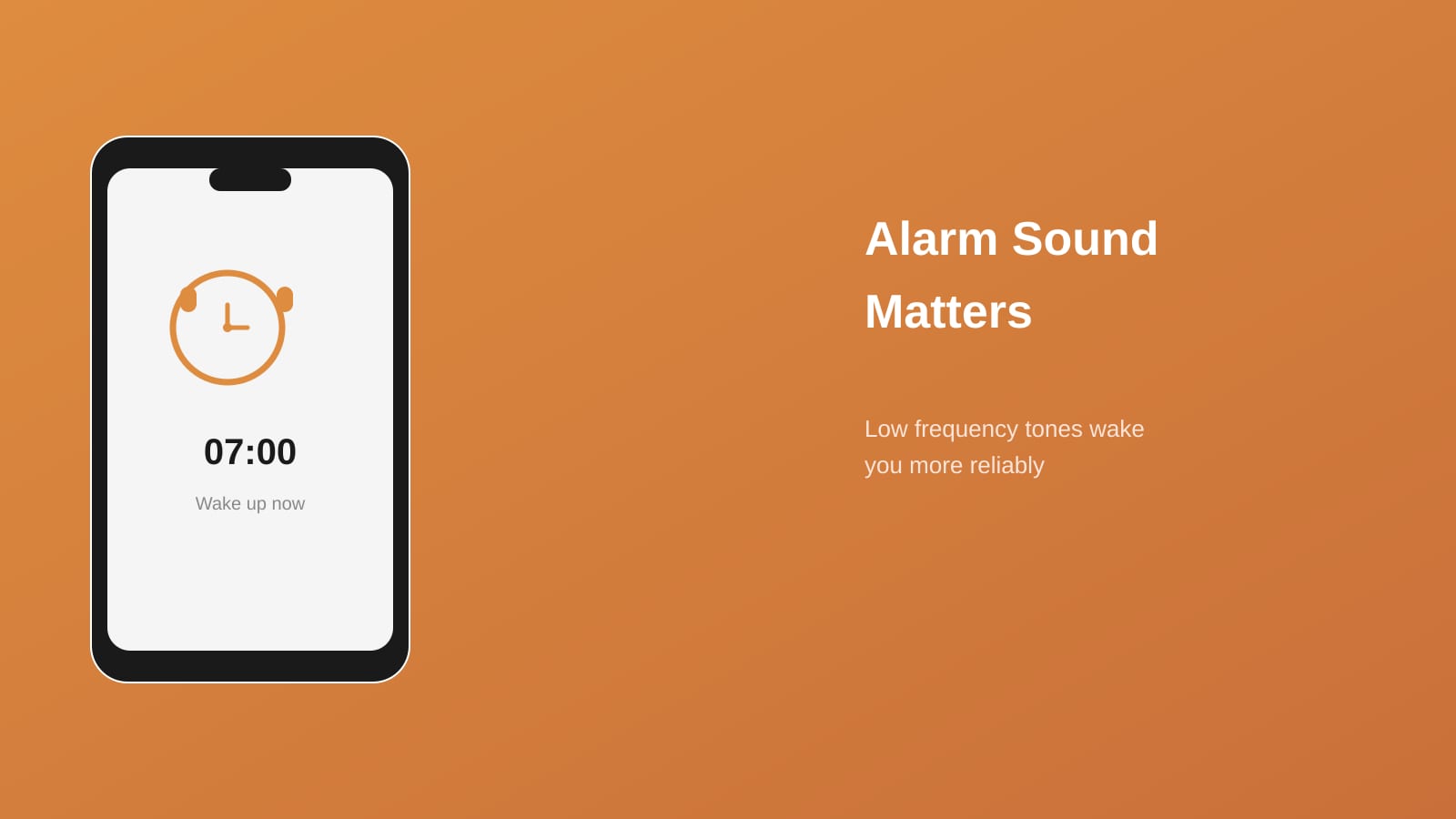
Research shows certain frequencies and sounds wake you more reliably than others. Here's what the science found about alarm tones, sleep inertia, and why you sleep through some alarms.

9 min read
You don't have to be a morning person to wake up early. Here are the tactics that work for night owls who need to rise early.

8 min read
Your circadian rhythm and sleep need are individual. Setting an alarm for the time you'll actually wake up beats chasing an aspirational time you never reach.
4 min read
Snoozing fragments your final REM sleep. Immediate movement works differently on the brain and body. Here is what the research shows.

6 min read
Why timed morning light before your alarm reduces sleep inertia and improves alertness, what the 2025 research shows, and how to set it up.
6 min read
Some people legitimately struggle to wake up. Here's why your body might not be waking, versus when it's a choice.
5 min read
When push-ups or squats feel impossible at 6am, gentle alternatives work better. Why Shake Phone and Math help you wake up without the physical risk.
6 min read
Practical strategies to wake reliably during night and rotating shifts, from light timing to melatonin to nap scheduling.
7 min read
Why you should test your alarm, how to actually do it, and what goes wrong most often. A pre-event checklist to make sure you wake up on time.

5 min read
Morning vs evening workouts affect sleep differently. Learn how intensity, timing and hours before bed determine whether exercise helps or hurts your sleep.

5 min read
How outdoor light and morning walks shift your sleep schedule earlier, resets your circadian rhythm, and why NoNap's Distance task makes alarm dismissal part of waking up.
5 min read
You think you have more time than you do. Why mornings slip away, and the practical strategies that actually work to leave on time every day.
6 min read
When daylight saving time ends on October 25 in the EU and November 1 in the US, what research shows about sleep disruption and how to adjust gradually.
6 min read
Why waking during shifts is harder, and what actually works: light timing, sleep consistency, and strategies for rotating schedules.

5 min read
The first-night effect is real: your brain literally stays half-awake in unfamiliar places. What's happening, why evolution designed it this way, and how to function well anyway.

4 min read
Darkness suppresses alertness and keeps melatonin flowing. Here's what makes winter mornings feel impossible, and practical strategies to get out of bed.
7 min read
Why your body paralyzes during REM sleep and what happens when that paralysis persists as you wake up, complete with hallucinations and fear.
6 min read
Why you're still exhausted despite sleeping enough, how the Epworth Scale helps identify sleep disorders, and when excessive daytime sleepiness needs medical attention.
4 min read
Why napping reduces your sleep drive, how timing matters more than duration, and when afternoon naps keep you awake at night.
4 min read
A single night of poor sleep impairs alertness, reaction time and decision-making the next day. Here's what the science shows and how to recover.
5 min read
How room temperature affects your sleep quality and waking alertness. Research on the ideal bedroom temperature, why cool rooms improve deep sleep, and what temperature range helps you wake up easier.
6 min read
Confusional arousals leave you disoriented in the middle of the night, often without memory of what happened. How common they are, what triggers them, and when to talk to a doctor.
7 min read
The camera recognizes body position in real time to count push-ups. Here's how pose detection works on your device, what gets counted, and why nothing is saved.
6 min read
How sleep architecture changes across the lifespan, circadian timing shifts with age, and when early morning waking needs medical attention.
7 min read
TSA and airline arrival times, sleep timing, backup alarms, and drowsy driving risk on the way to a 6 a.m. flight.

5 min read
The September 2026 equinox date, why sunrise gets later through autumn, what dark mornings do to alertness, and how light helps.
6 min read
Your morning success is determined by when you go to bed. Here's the science of how bedtime affects sleep inertia, circadian rhythm, and morning alertness.

6 min read
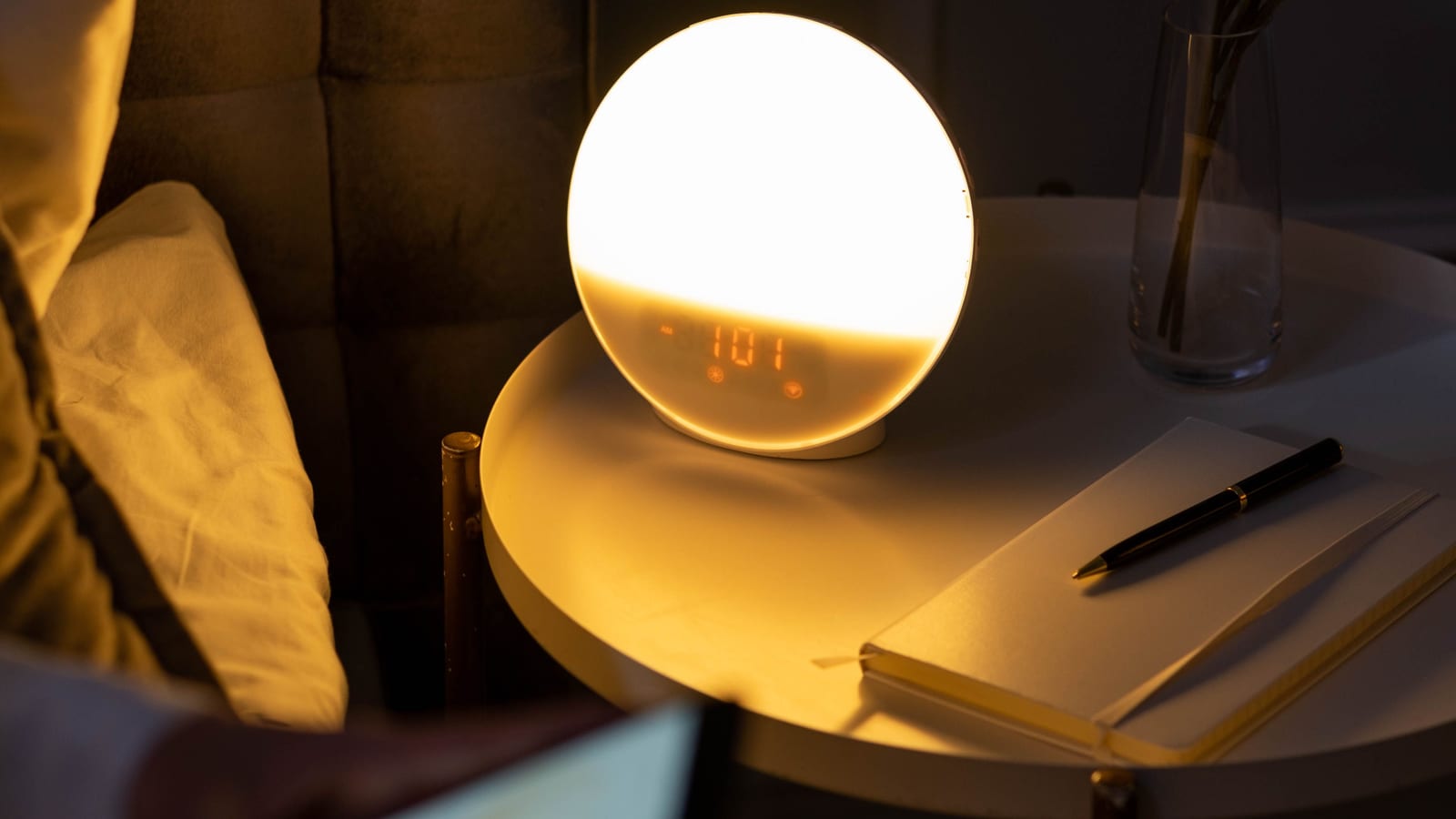
How sunrise alarm clocks and NoNap take different approaches to waking: one adds light, one requires action. Which fits your mornings.
7 min read
Five common myths about sleep, debunked by research. What sleep scientists actually know about 5-hour nights, snoring, alcohol, and how your body adapts.
5 min read
Your body's internal clock runs on wake time, not bedtime. Sleep researchers call it the strongest anchor, and here's the science behind why.
5 min read
How a simple temperature change in your extremities triggers sleep onset, backed by 25 years of sleep science.
5 min read
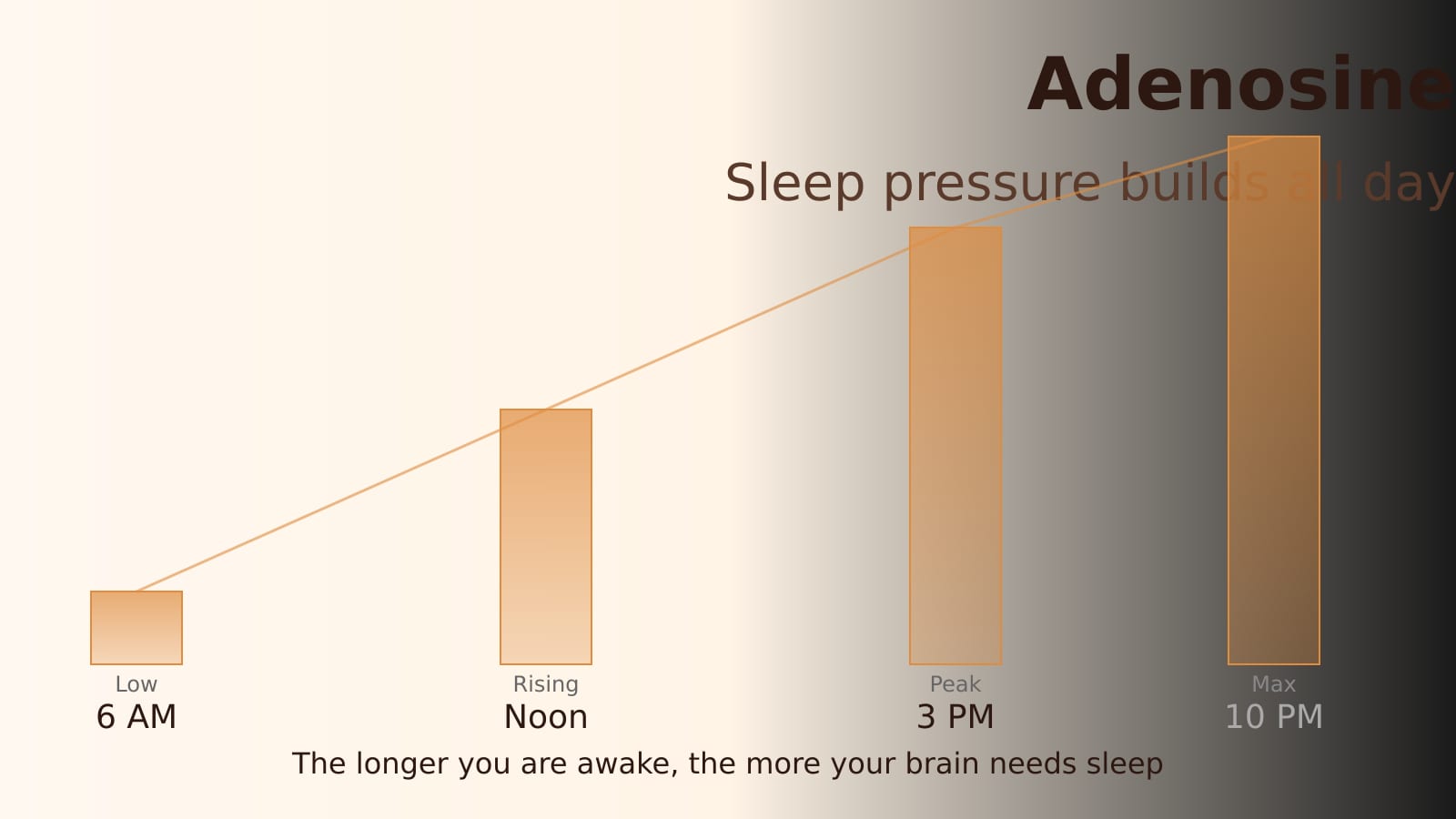
The molecule that builds up the longer you're awake, makes you tired, and explains why mornings are so hard.

6 min read
Stacking alarms trains your brain to ignore them all. Here is what the sleep science shows about why one consistent alarm works better.
5 min read
The research on blue light and sleep is more nuanced than 'screens keep you awake.' Here's what actually disrupts your sleep.

6 min read
Heavy sleepers have a higher arousal threshold. Here's what actually works to wake them up reliably.
6 min read
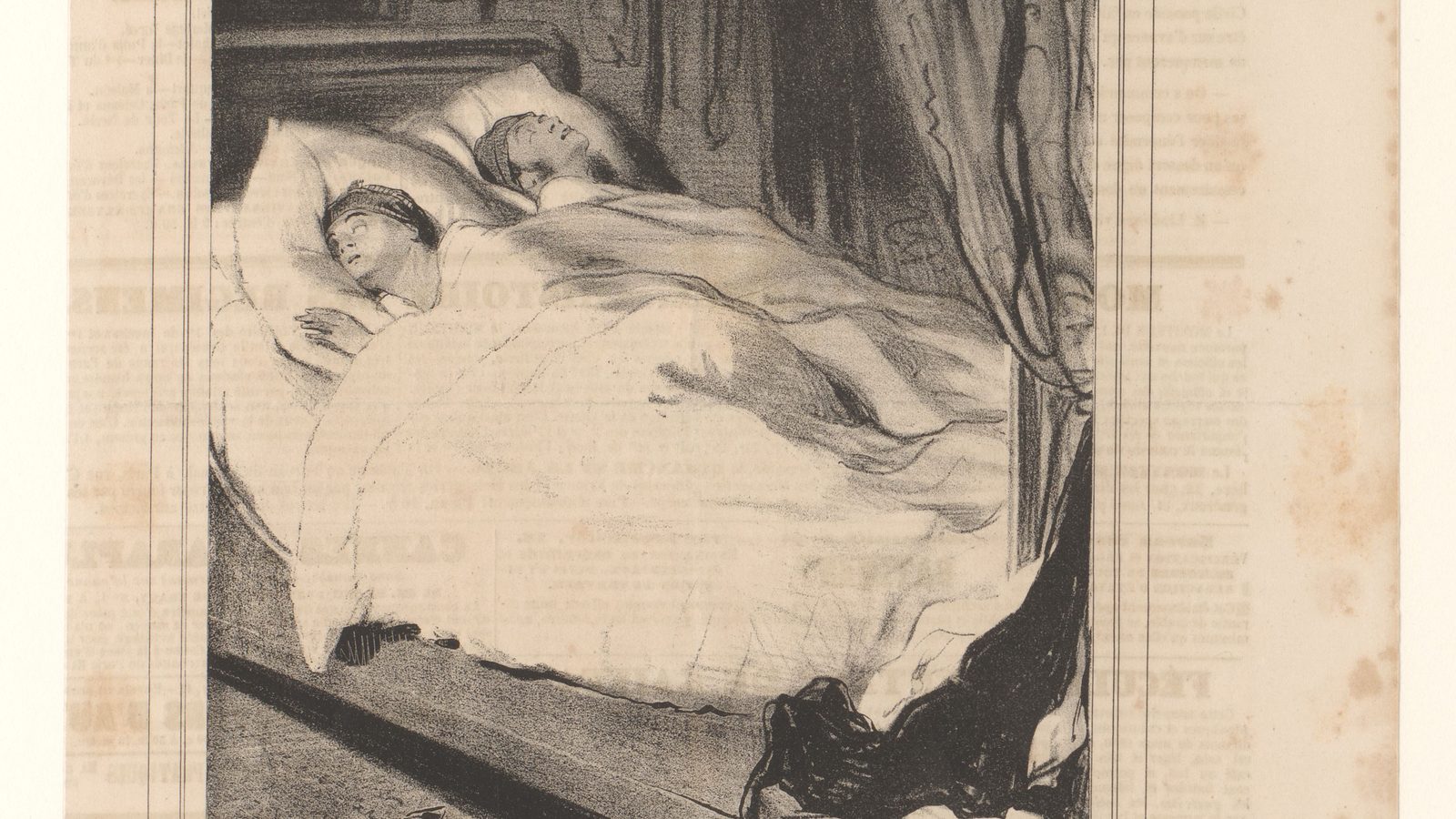
Why partners have different sleep schedules, how shared sleep affects you both, and how alarm etiquette protects the one still sleeping.

7 min read
Five ways to actually wake up: built-in Clock improvements, free-with-premium mission-based apps, and paid alternatives. What each one does, who it suits best, and why they exist.
6 min read
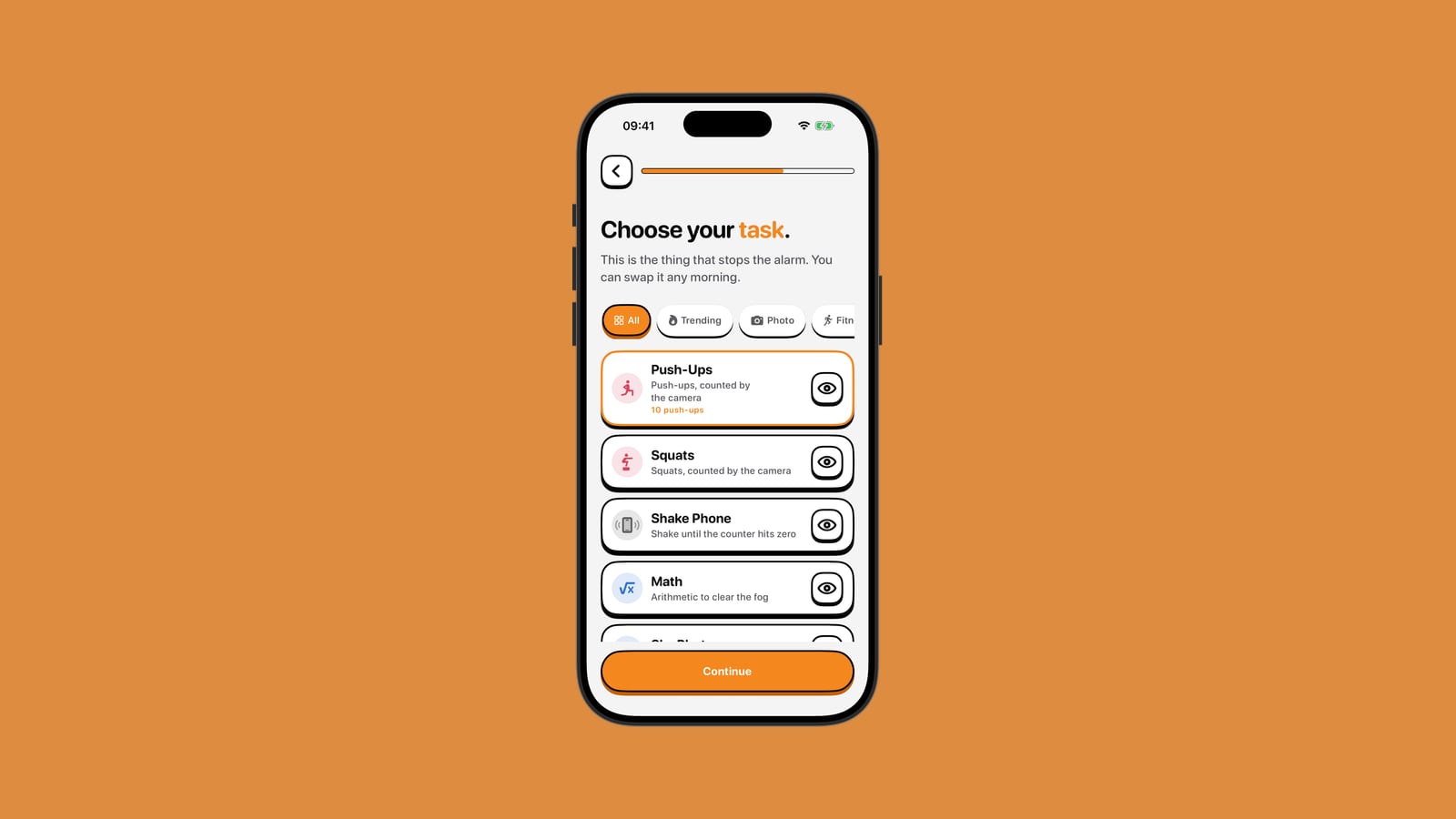
NoNap's wake tasks range from push-ups to math. Here's how to pick one that works for your fitness, your living space, and your 6 a.m. state of mind.

8 min read
Why abrupt wake time changes backfire and how to adjust by 15 minutes every few days. Research on circadian phase shifts, timelines, and practical steps.

6 min read
If you're wired to wake late, getting up early requires working with biology instead of against it. Here are the tactics that actually work.
5 min read
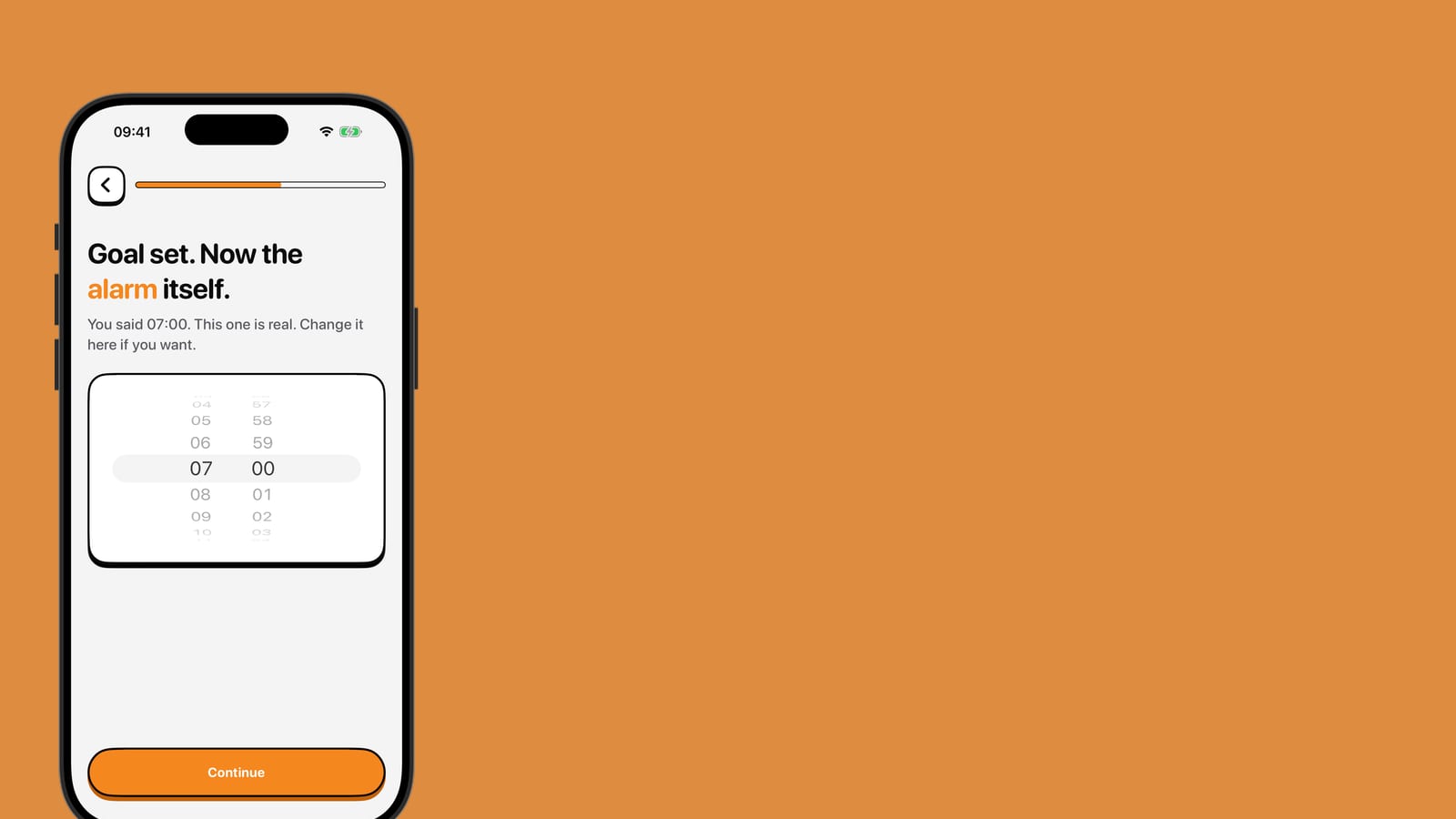
Compare NoNap to Apple's built-in alarm clock and sleep features. Which one actually gets you out of bed, and when should you choose each.
5 min read
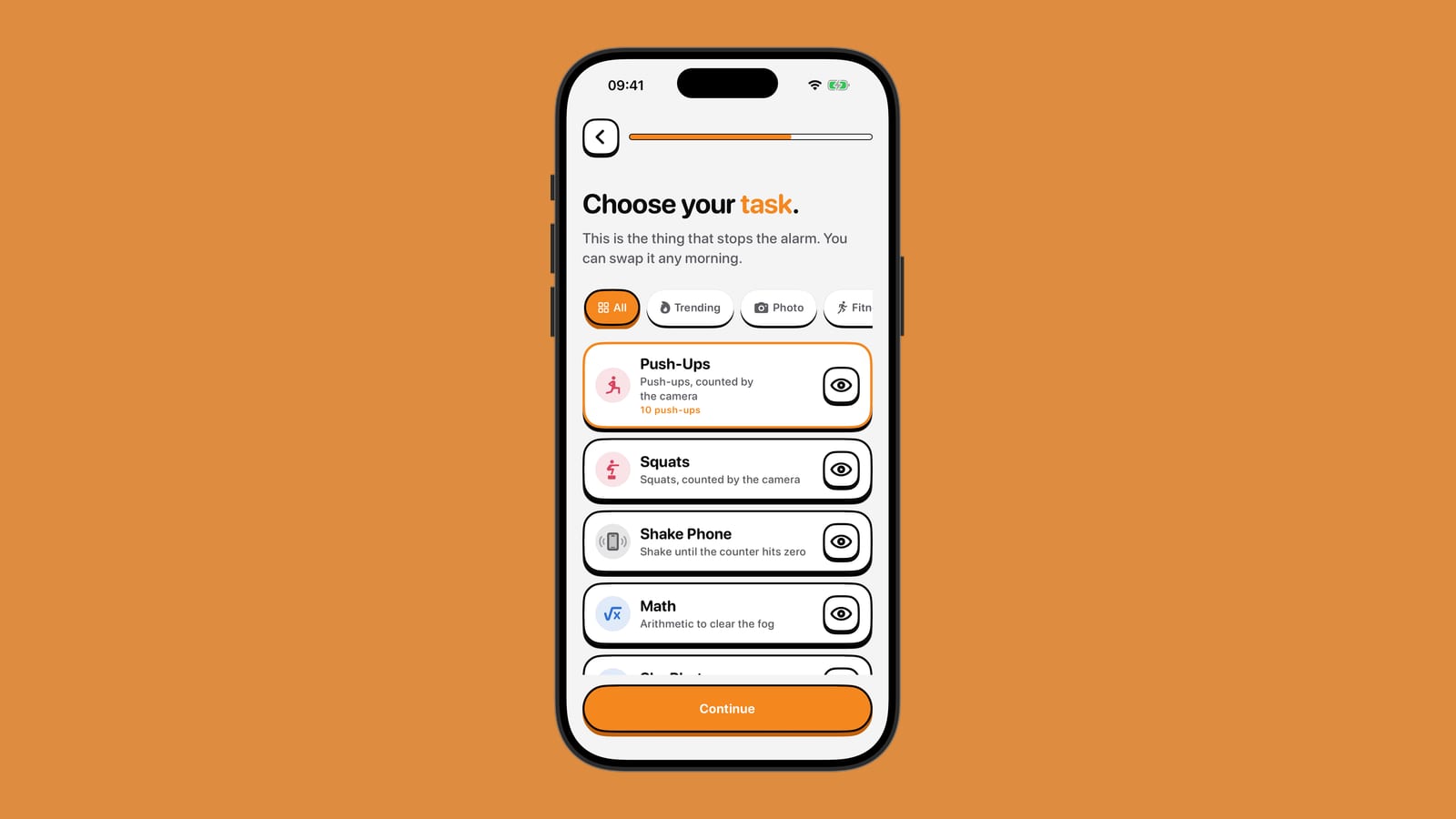
How NoNap uses your phone's camera to verify you're awake by photographing your surroundings, with no video recorded.
6 min read
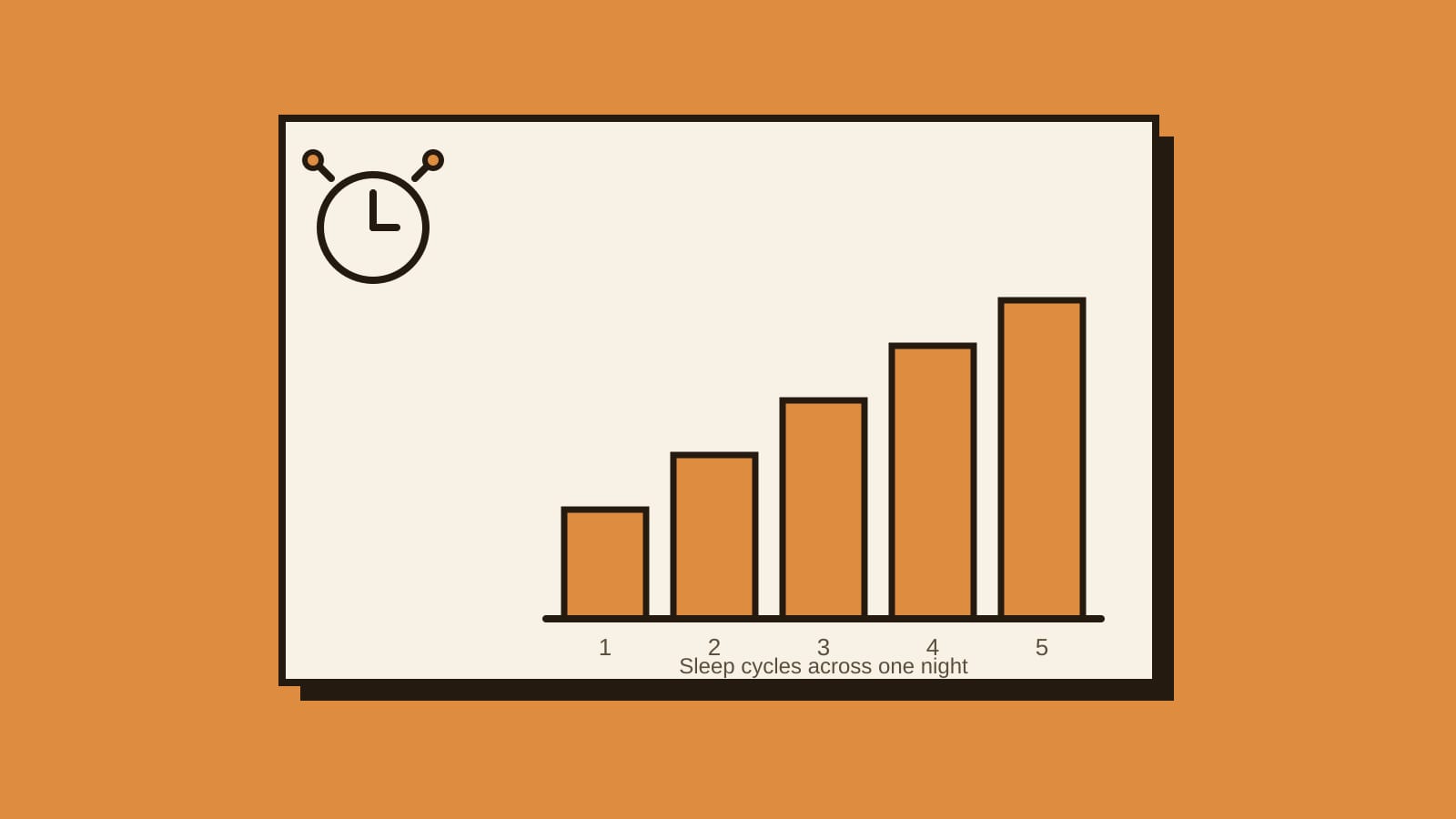
Why sleep cycles through different stages, what each one does for your body and mind, and why waking during deep sleep feels like drowning.
5 min read
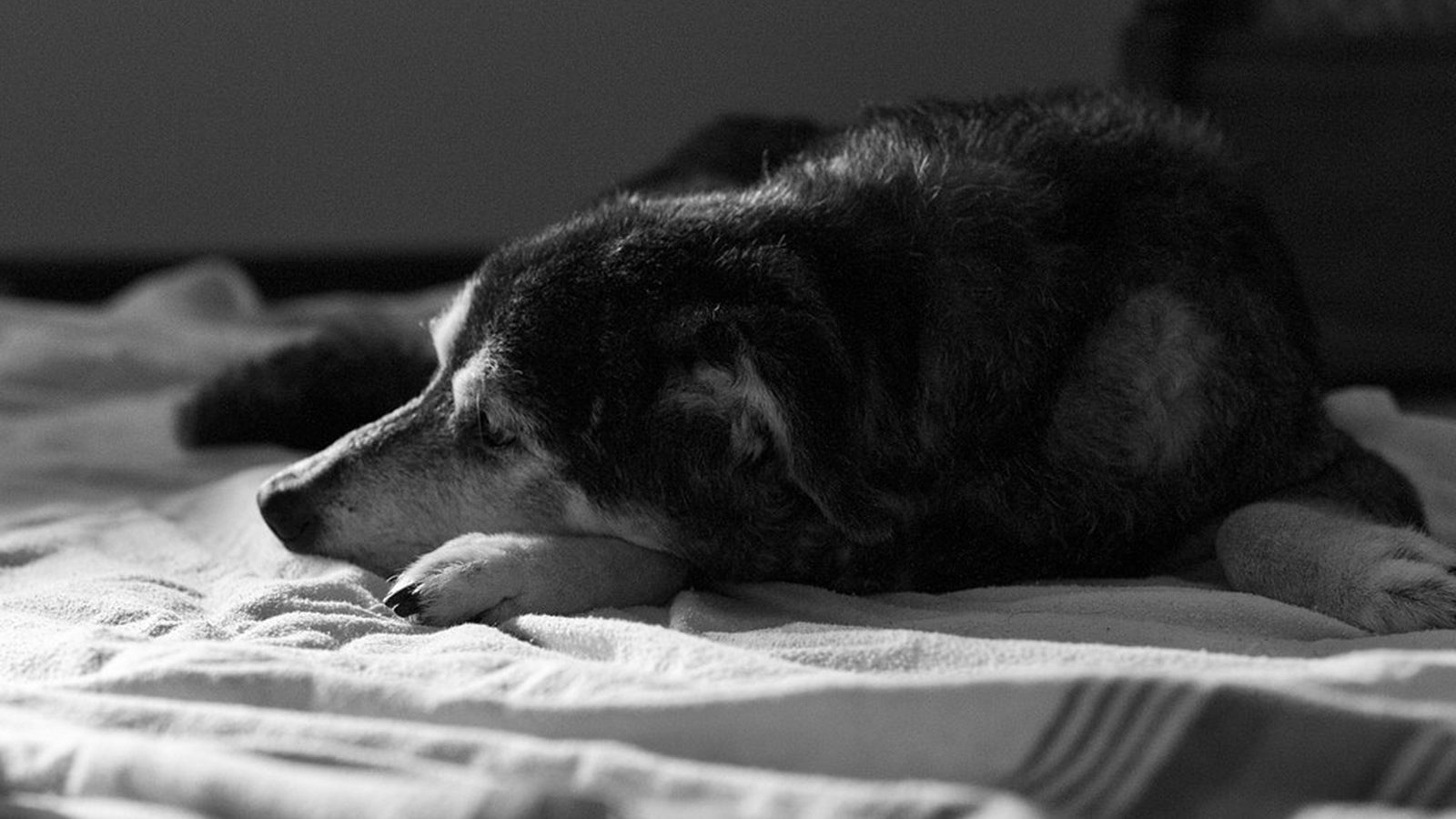
How dogs and cats affect sleep quality, what research shows, allergies and disturbances, and pets that wake you before the alarm.

5 min read
Why solving math at 6am works better than you'd think, and when to use it instead of push-ups or a shake of your phone.
6 min read
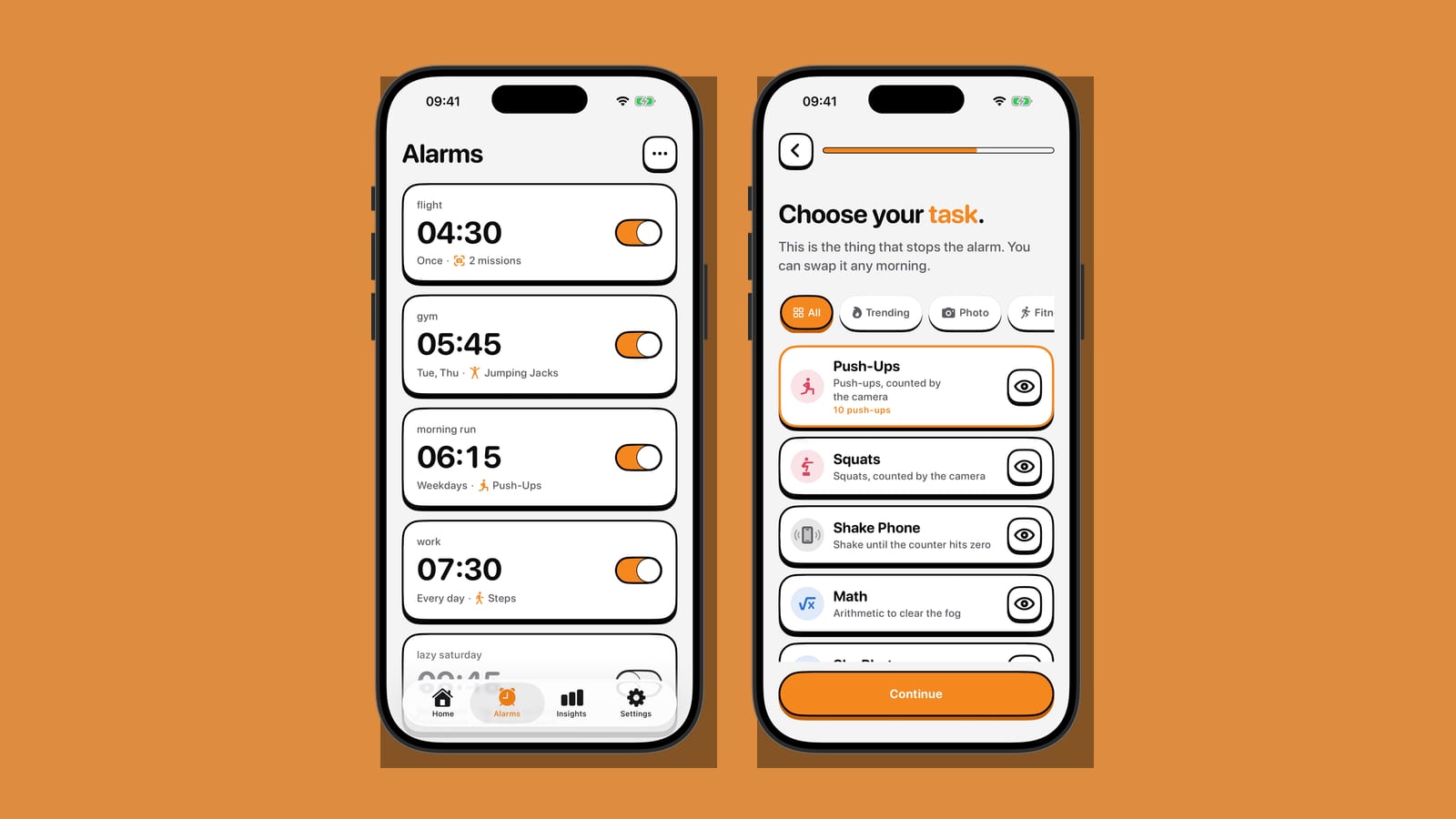
NoNap's Steps and Distance wake tasks use your phone's motion sensors and GPS, processed on the device only, to make you walk before the alarm stops.
6 min read
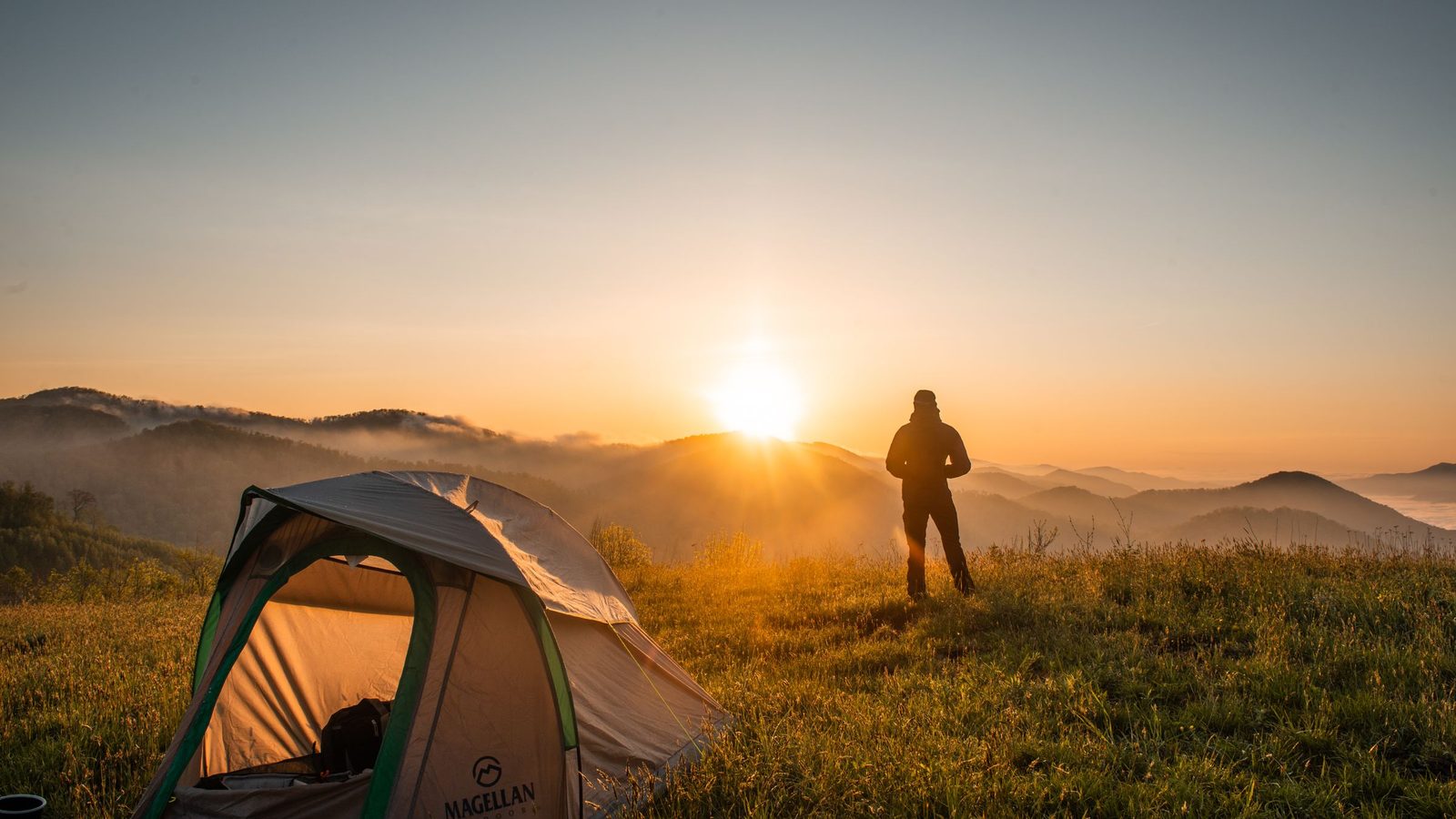
What genetics sets, what the evidence actually shows about shifting chronotype, and the realistic limits of changing when you wake.
5 min read
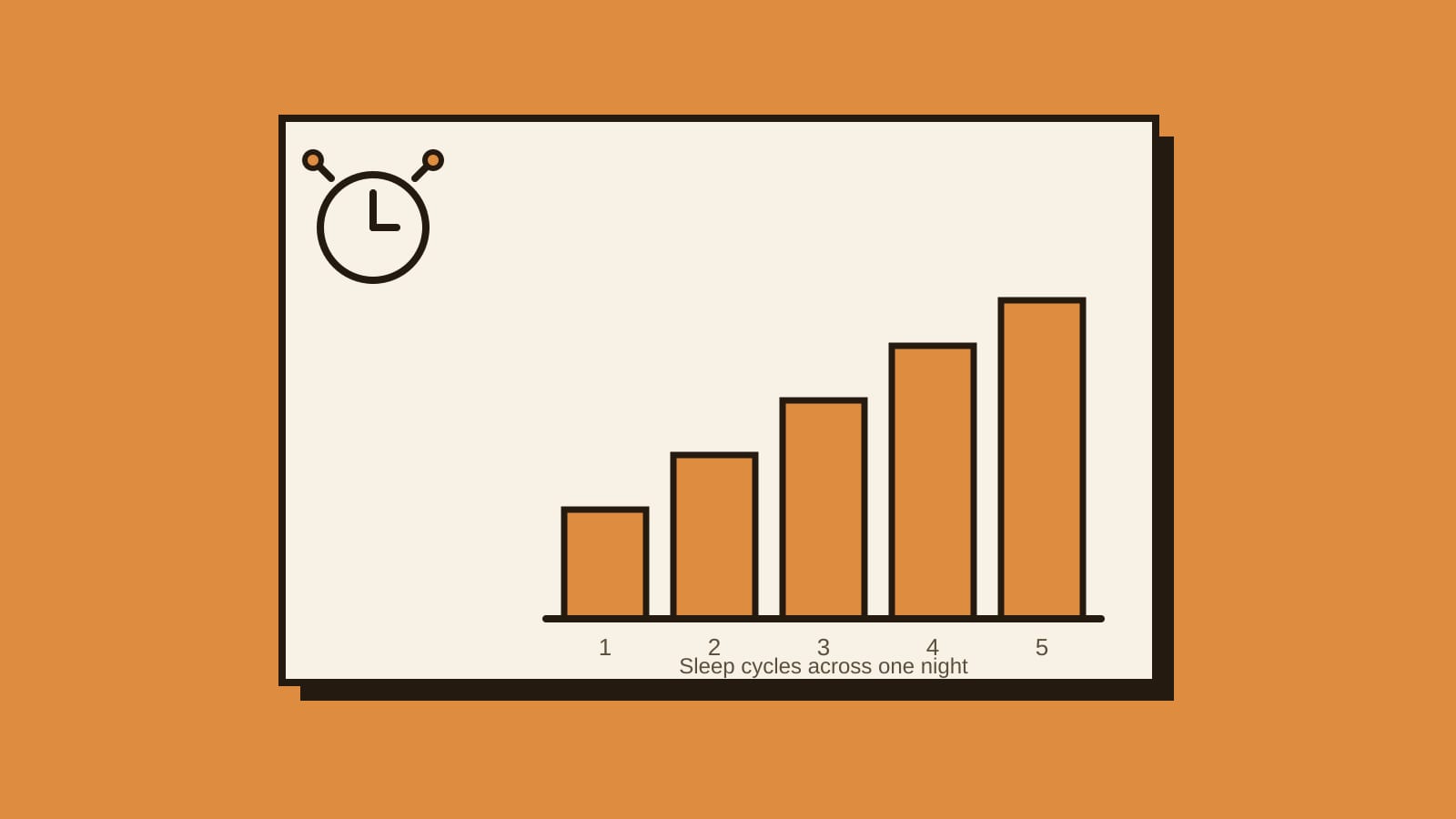
Sleep cycle calculators assume a fixed 90 minute cycle. Real cycles run from about 70 to over 100 minutes, and here is what the research says instead.
5 min read
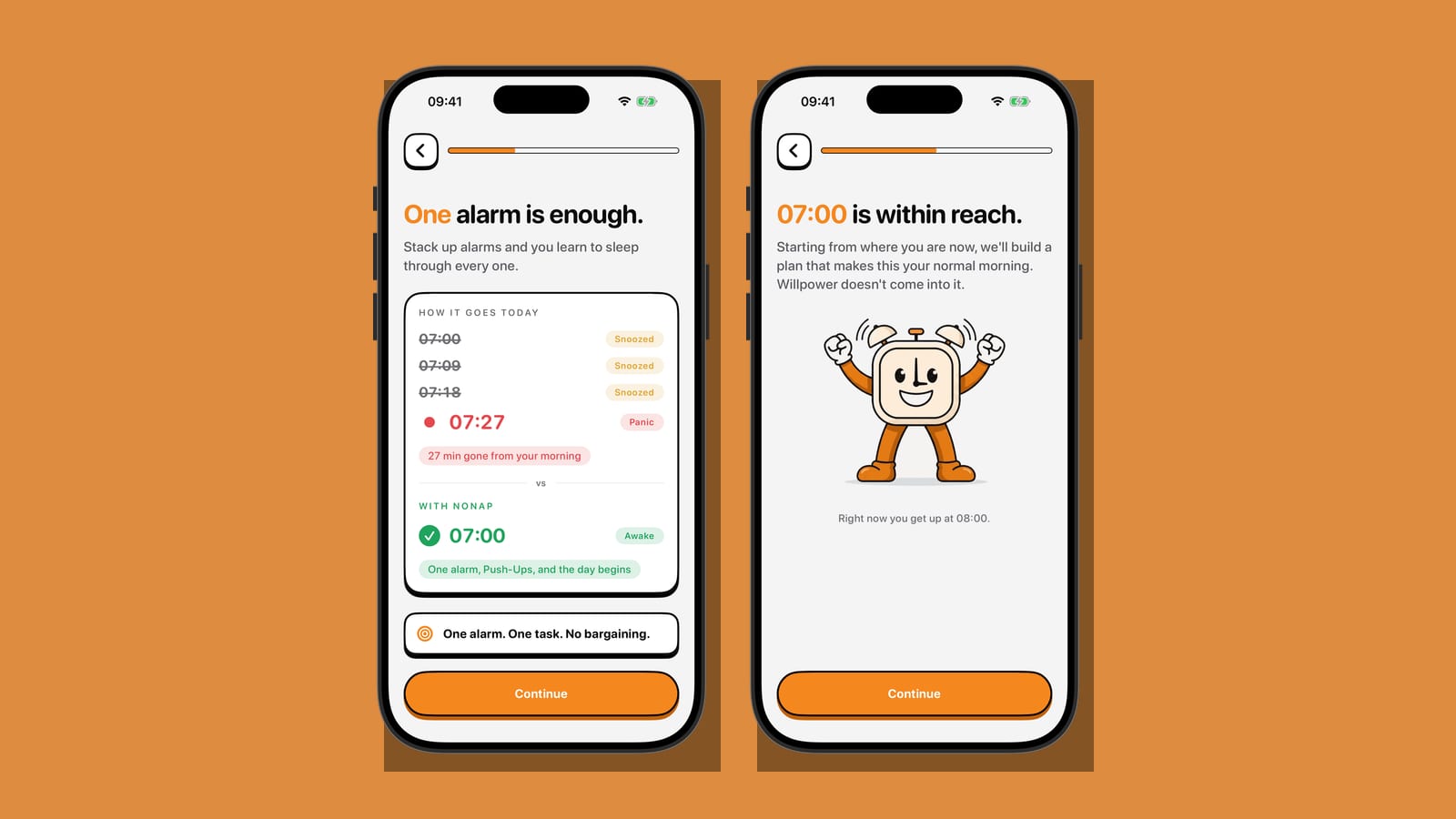
Practical steps to stop hitting the snooze button, from moving your alarm across the room to picking one wake task, backed by sleep and habit research.
6 min read
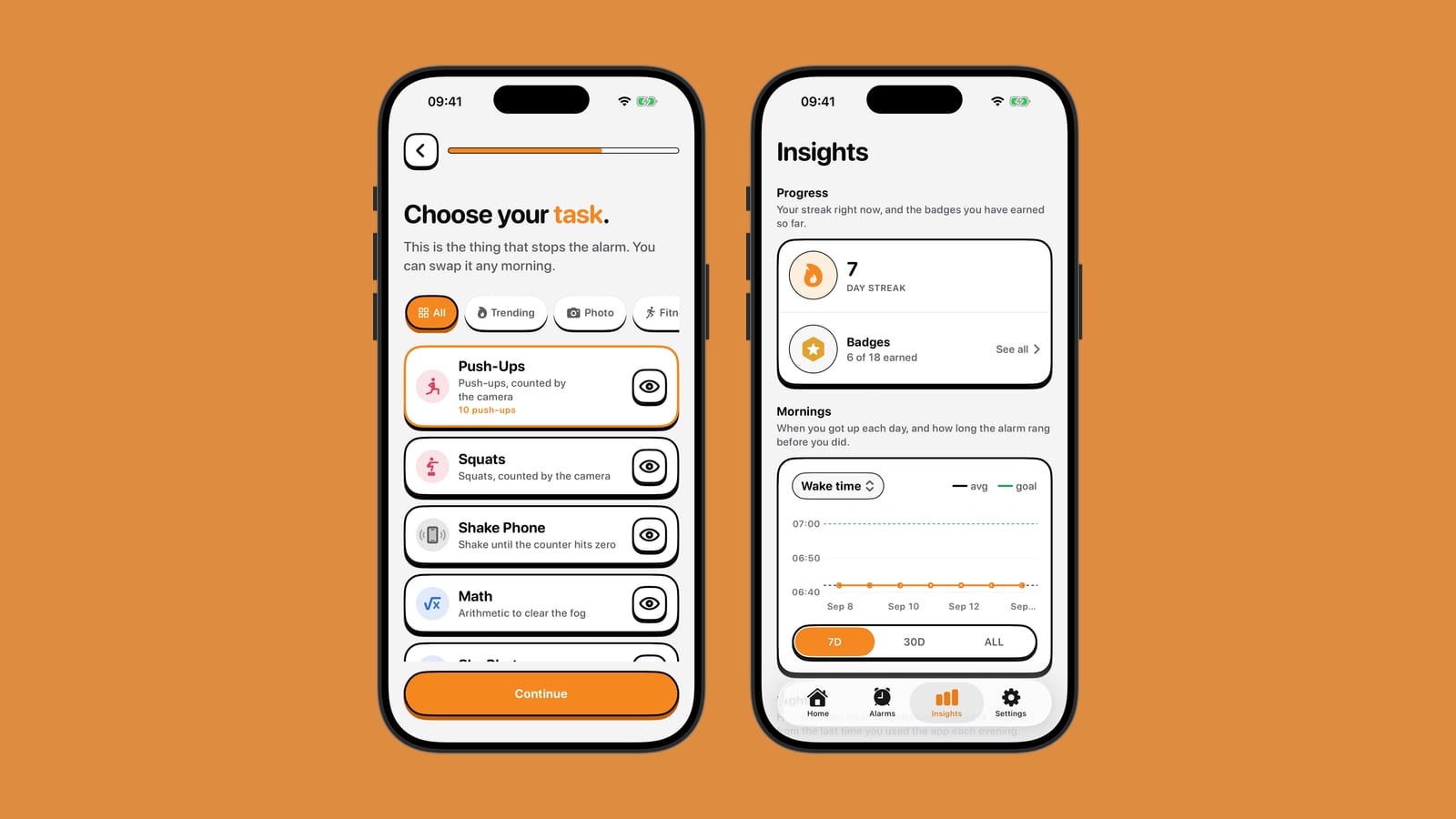
A fact-checked look at NoNap and Sleep Cycle: how each wakes you, what each tracks overnight, and what it costs, based on their own App Store listings.
5 min read
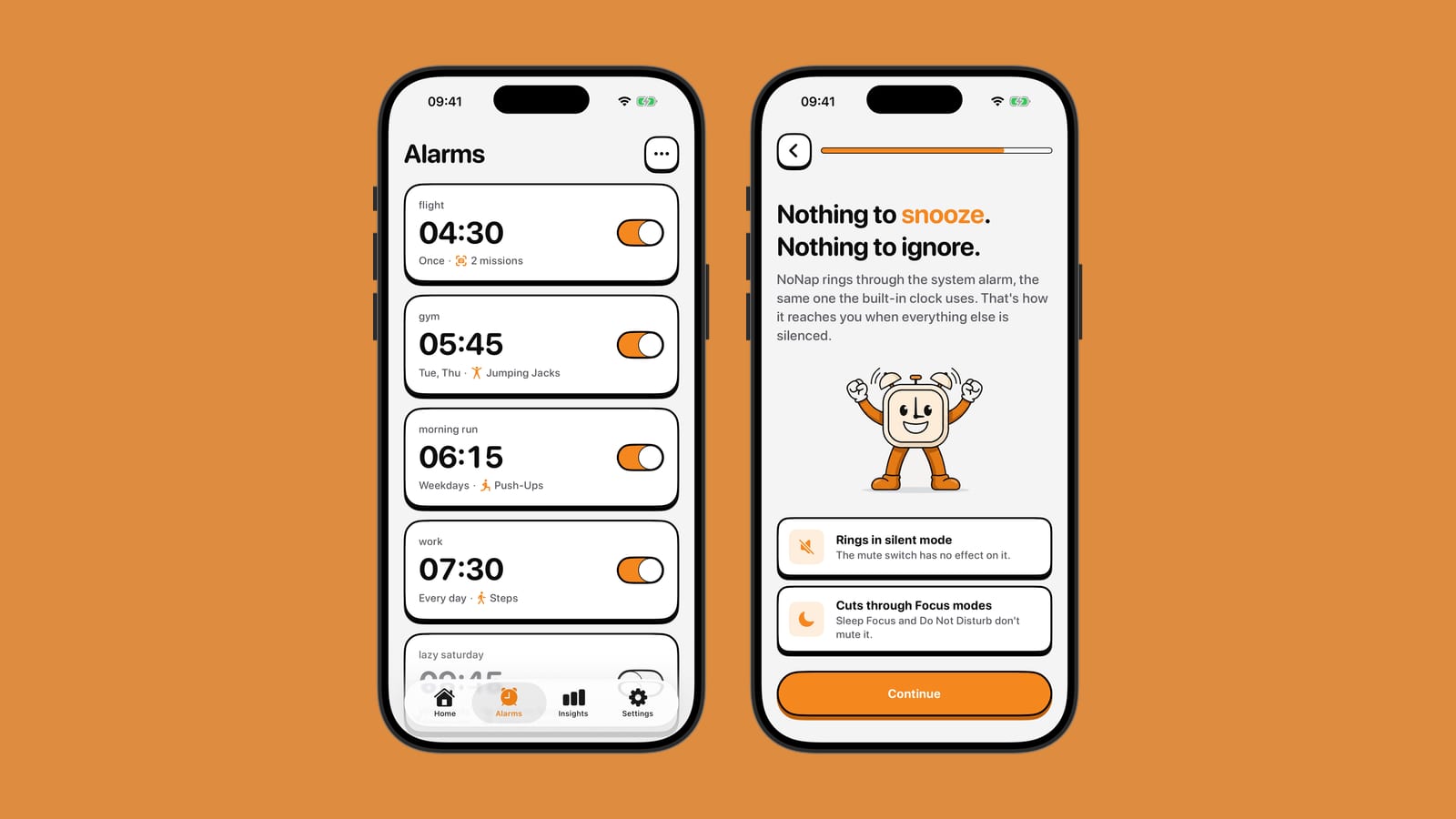
How the Apple Watch haptic wake-up alarm compares with NoNap's camera-verified wake tasks, what each one costs, and what happens if you sleep through a tap on your wrist.
5 min read
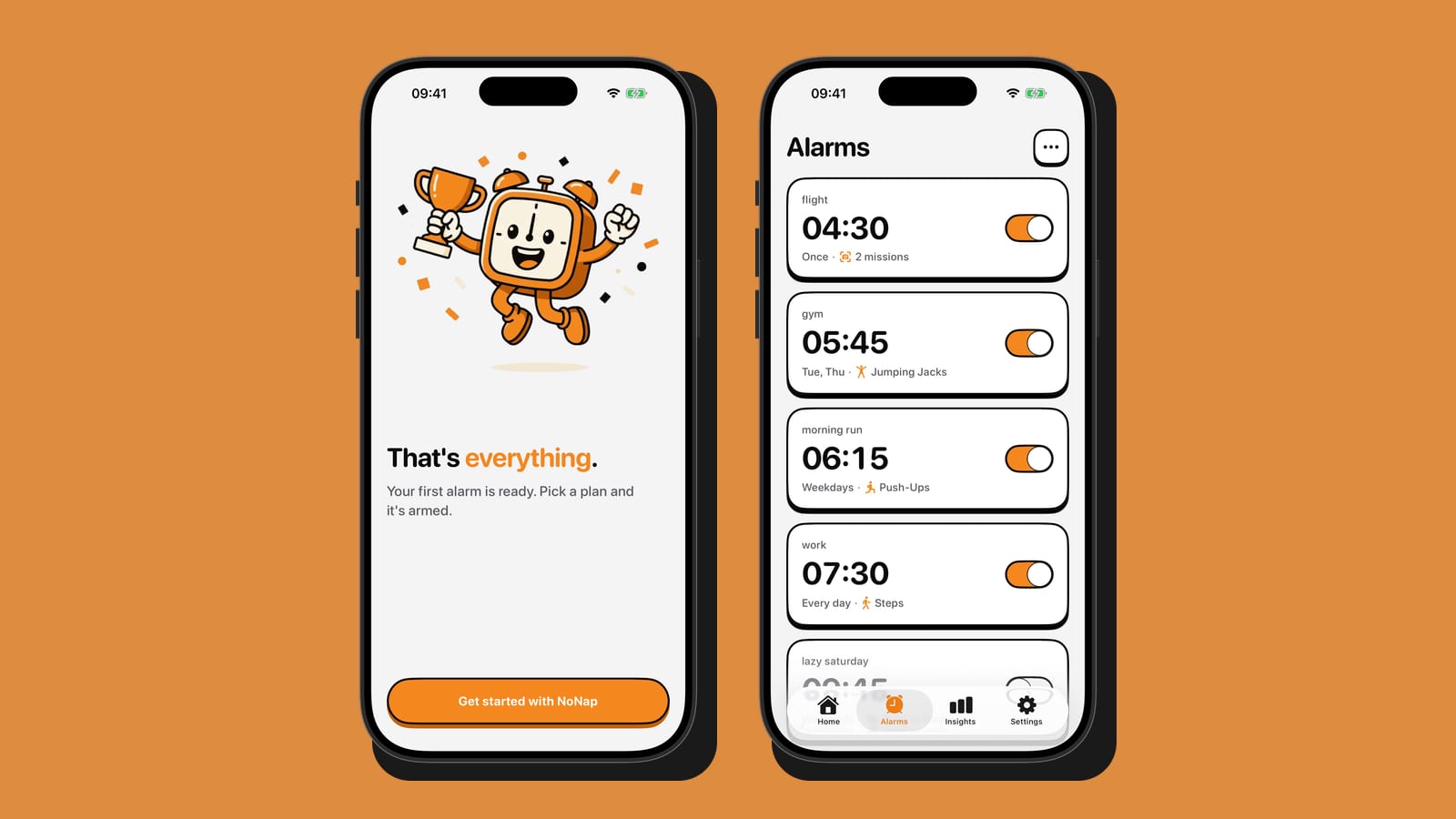
NoNap has no sign-up screen, no password and no account database. Here's exactly what data stays on your phone, and what doesn't.
4 min read
Short sleep shifts the hormones that control hunger and fullness, and trials show people reliably eat more the next day. Here is what the research found.
5 min read
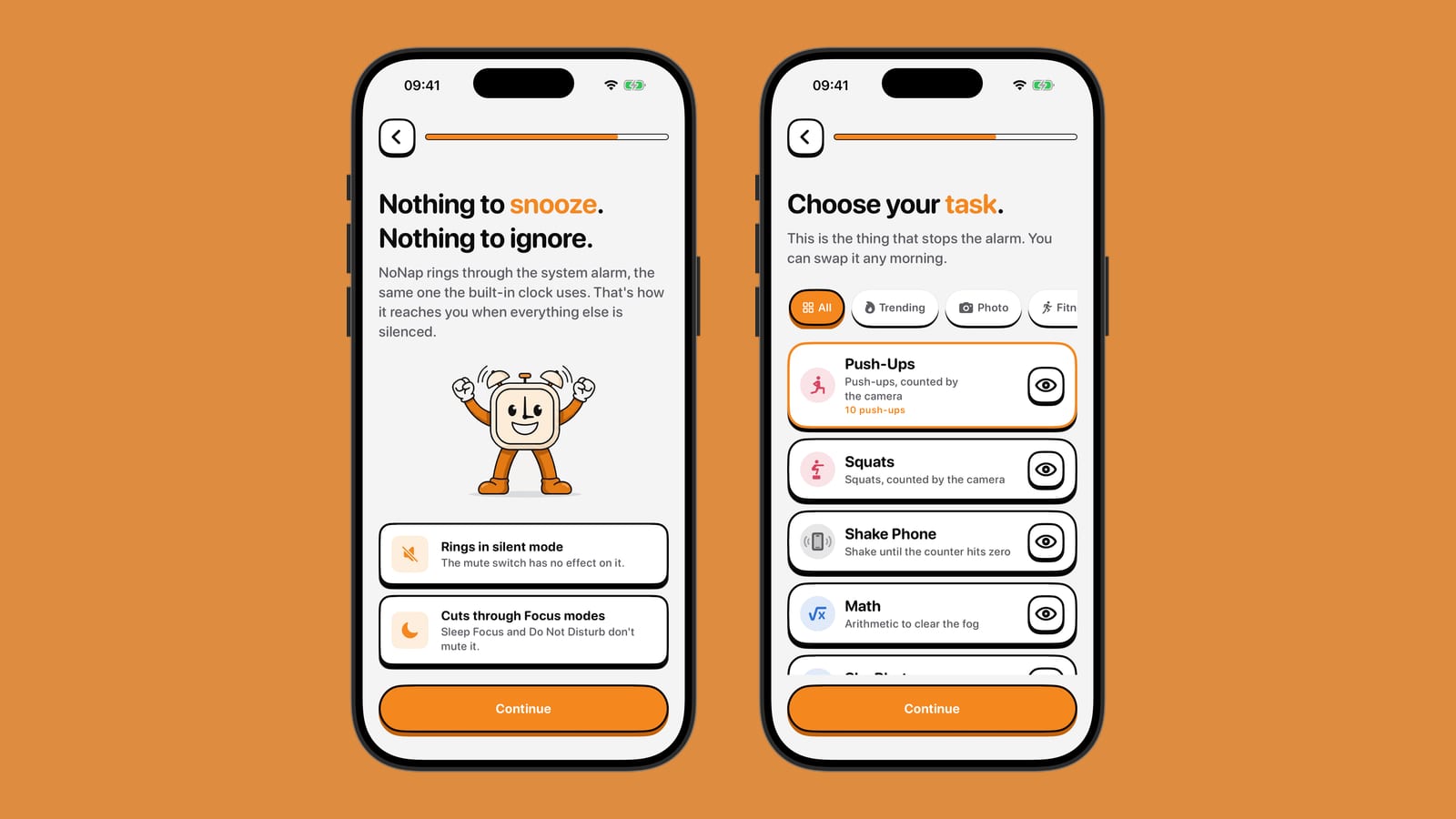
Half-asleep hands can dismiss a phone alarm with one habitual swipe. What sleep research says about that gap, and what actually forces you awake.
4 min read
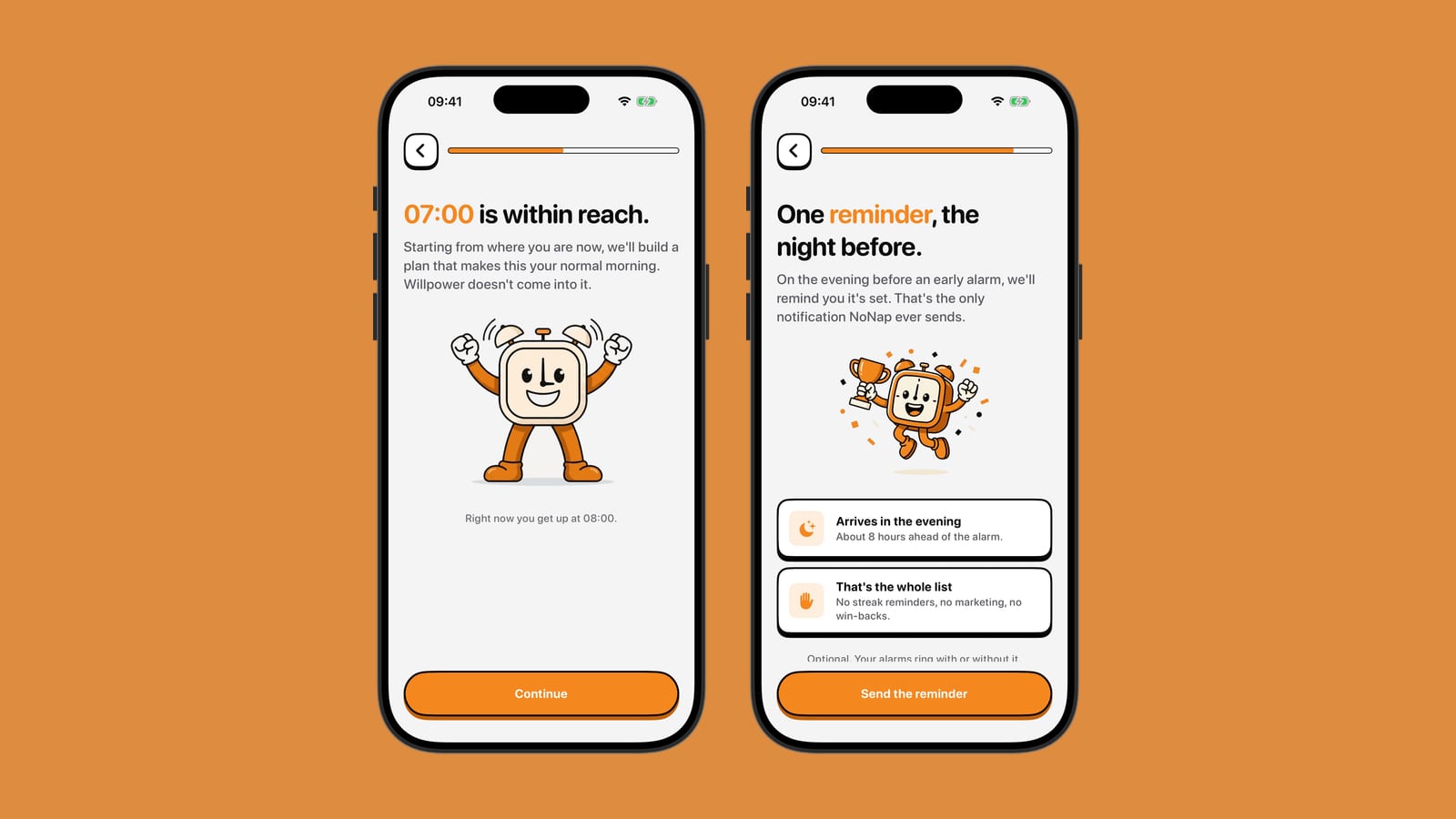
Elaborate morning routines fail first after a short night. What habit research says about building a shorter one that runs on autopilot instead.
5 min read
A seven-day plan to reset your sleep schedule using small wake-time shifts, morning light and an evening cutoff, based on NIH and AASM guidance.
5 min read
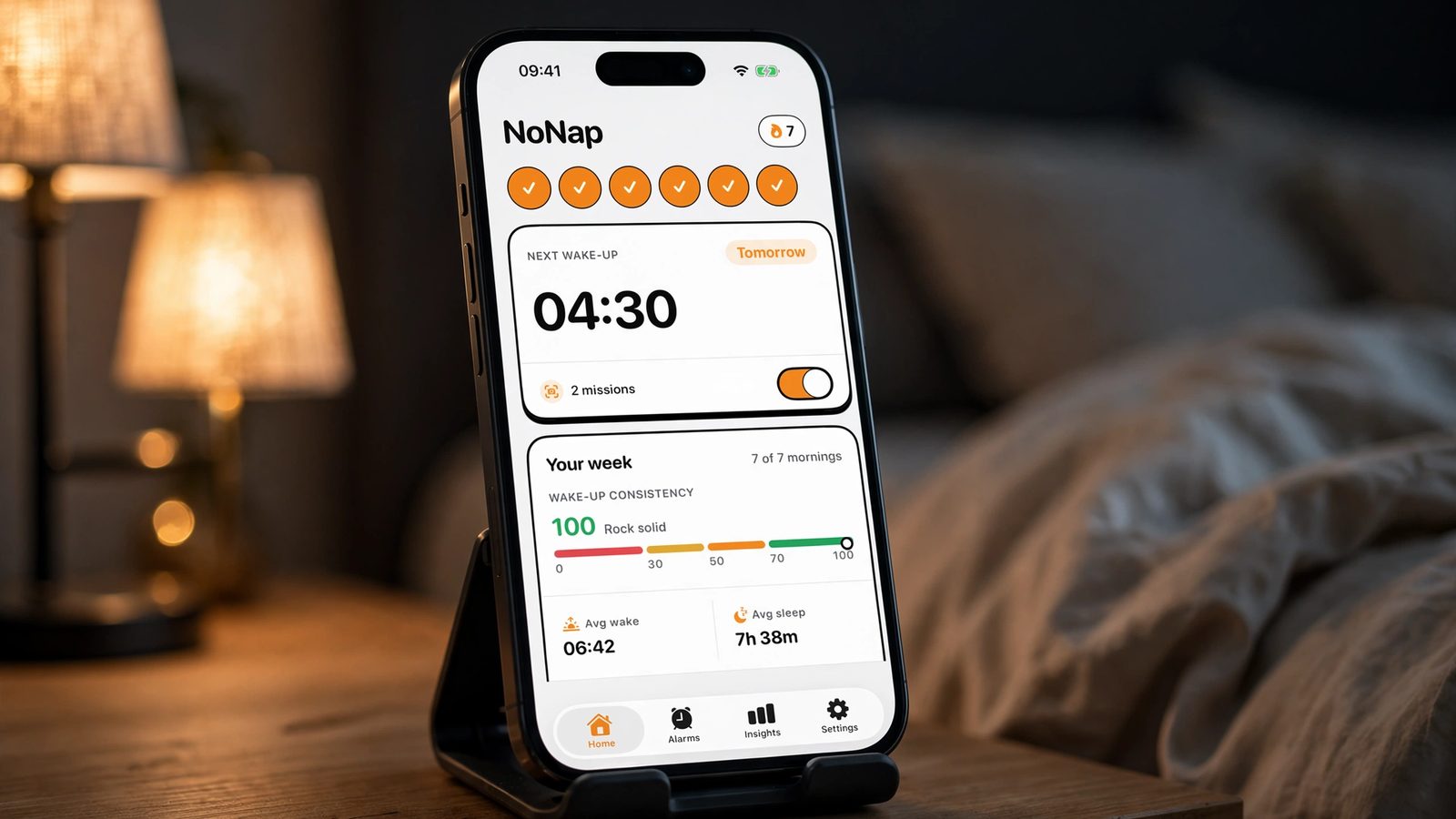
Why some people don't wake to an alarm, what sleep debt and volume actually change about it, and the fixes that work better than a louder ringtone.
4 min read
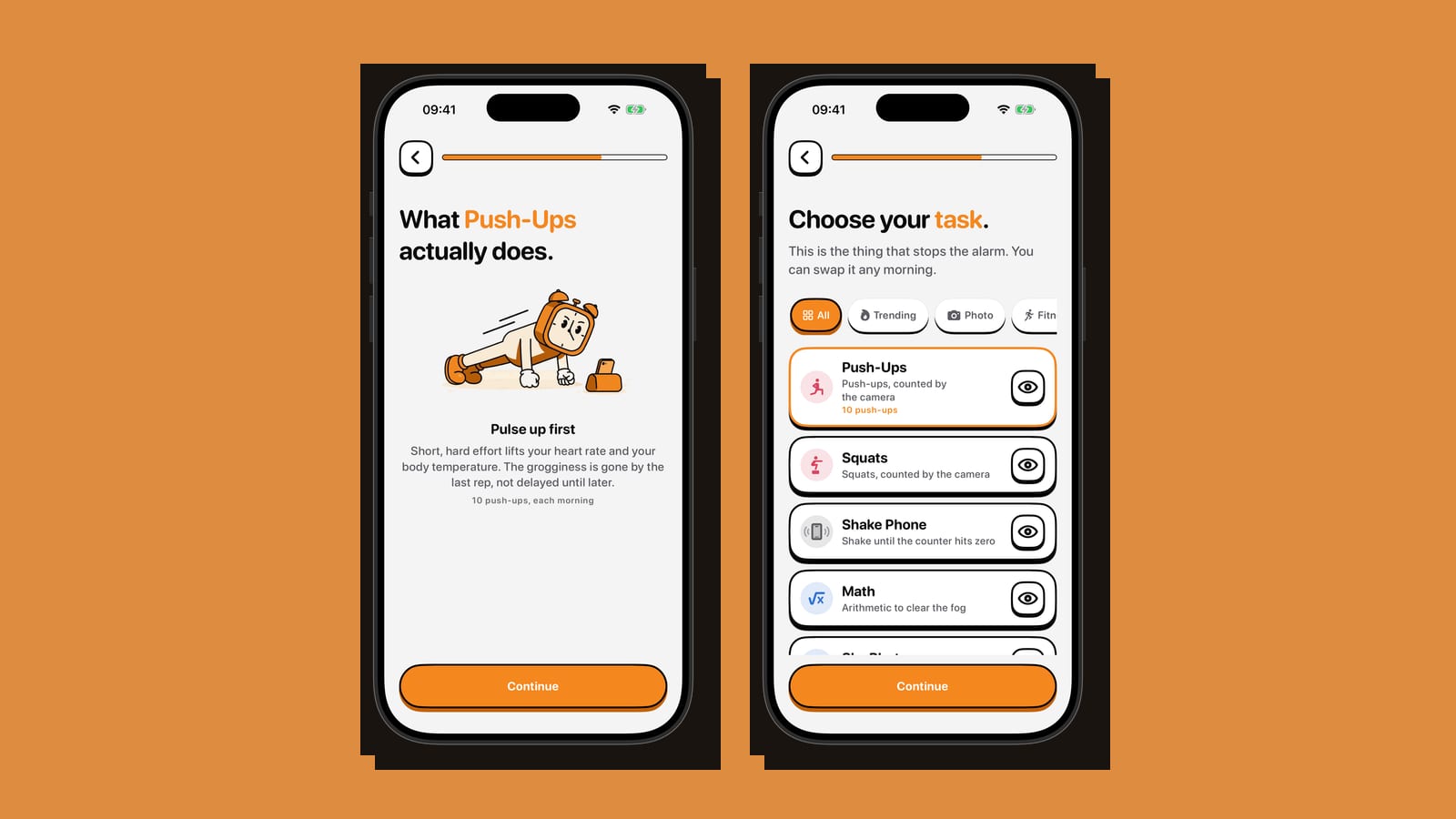
Camera-verified wake tasks like push-ups and squats run entirely on your phone and save nothing. Here is exactly what gets analyzed, and what never does.
4 min read
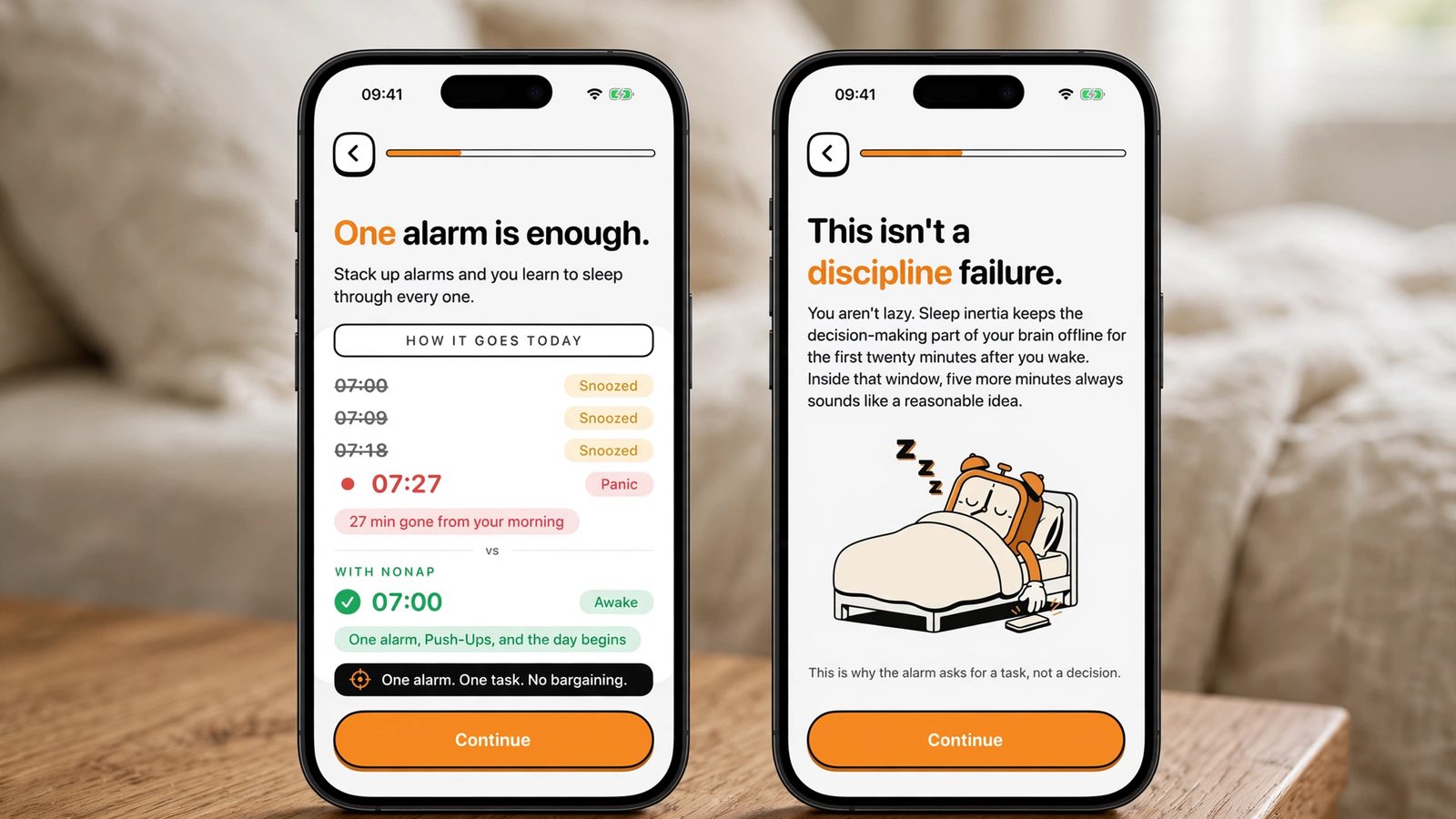
Why the first minutes after an alarm feel so hard, what the research on snoozing actually found, and why one alarm with a task beats a stack of six.
5 min read
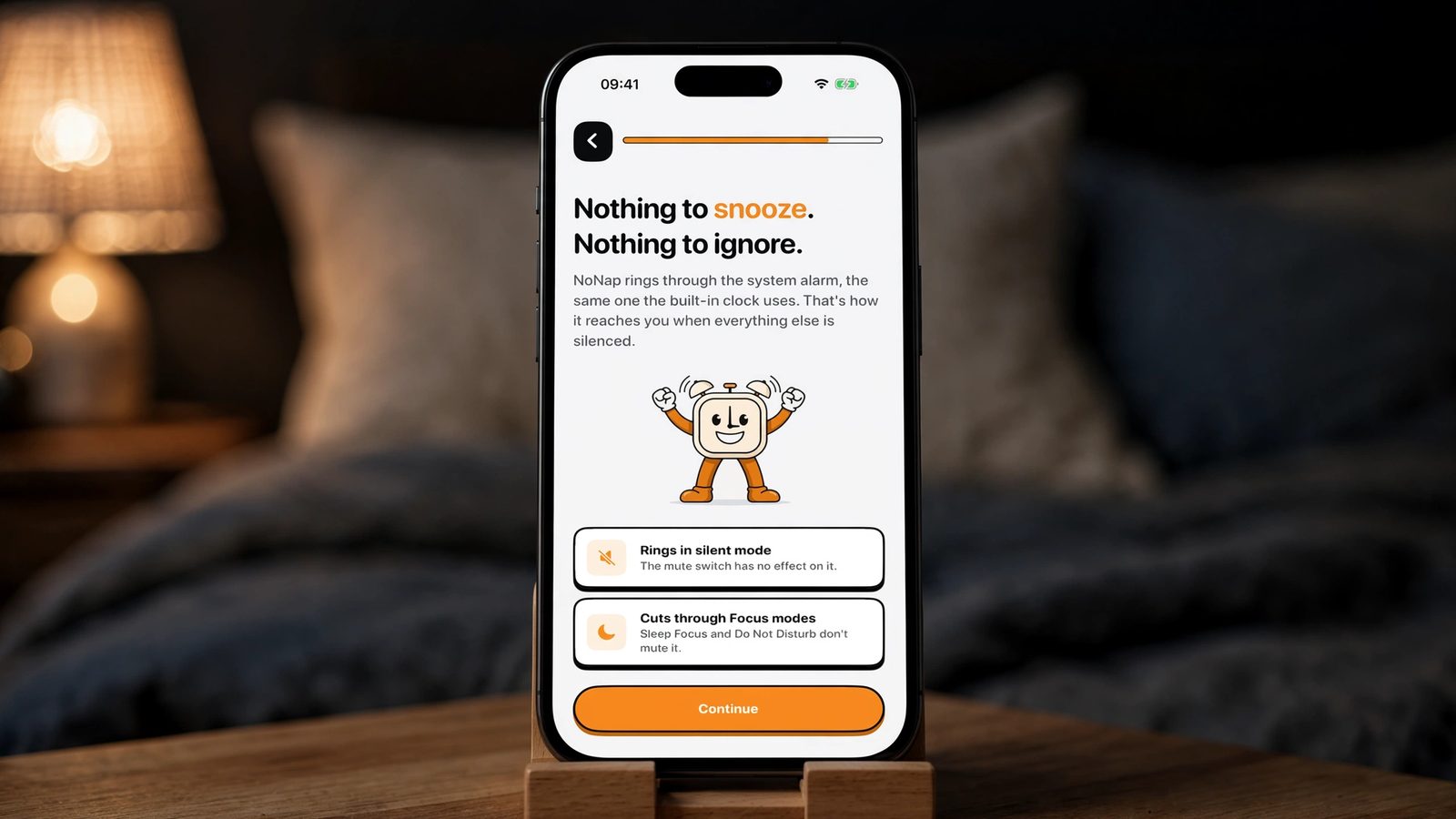
The ringer switch, Do Not Disturb and Focus modes all leave the alarm alone. Here is what iOS actually does differently, straight from Apple's own docs.
5 min read
Why teenagers' body clocks run later just as school starts earlier, what the sleep research shows, and how to shift bedtime back before the bell rings.
6 min read
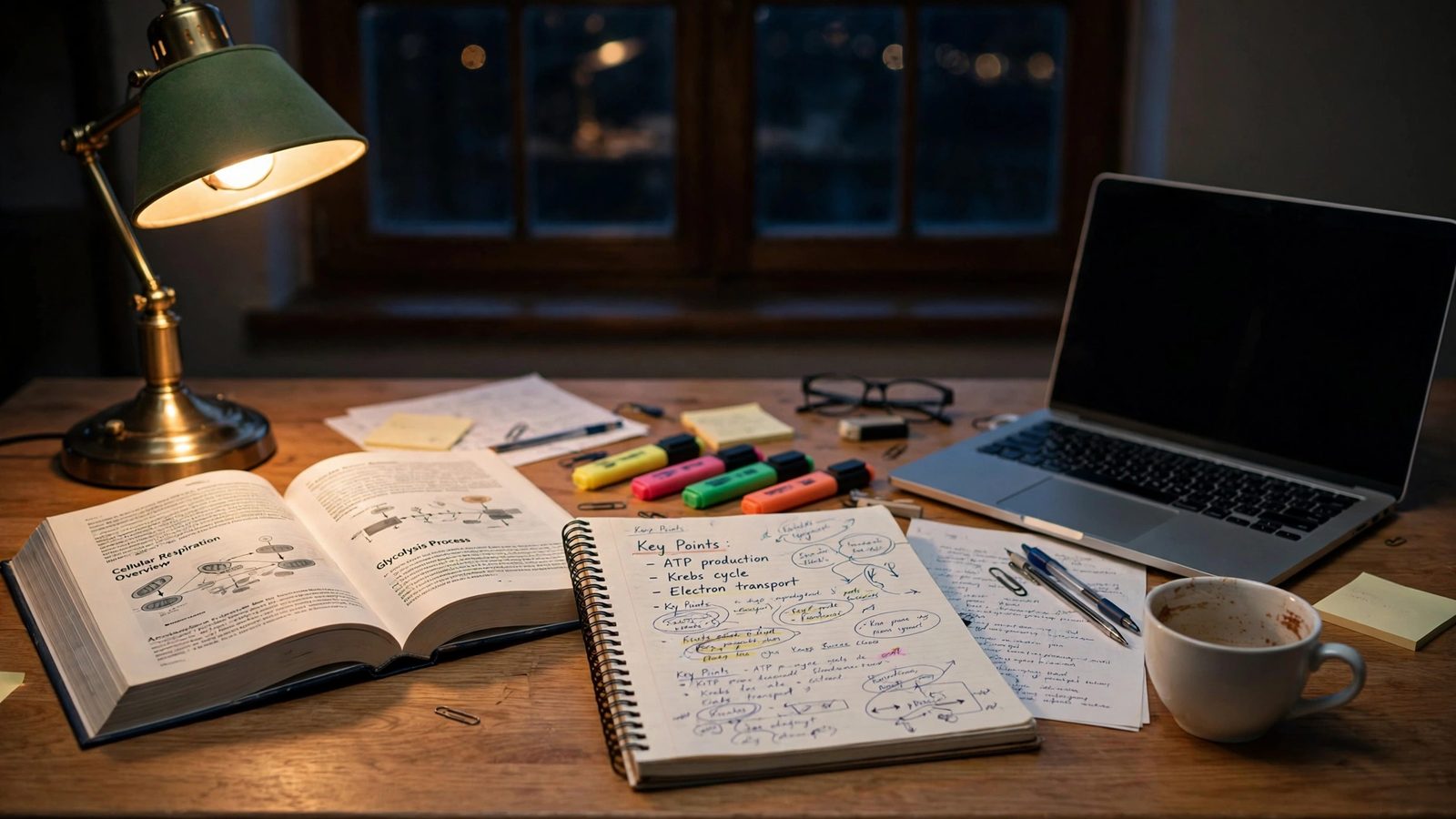
How memory consolidation during sleep works, why sleep deprivation harms learning, and practical scheduling during a semester that actually leaves you time to sleep.
7 min read
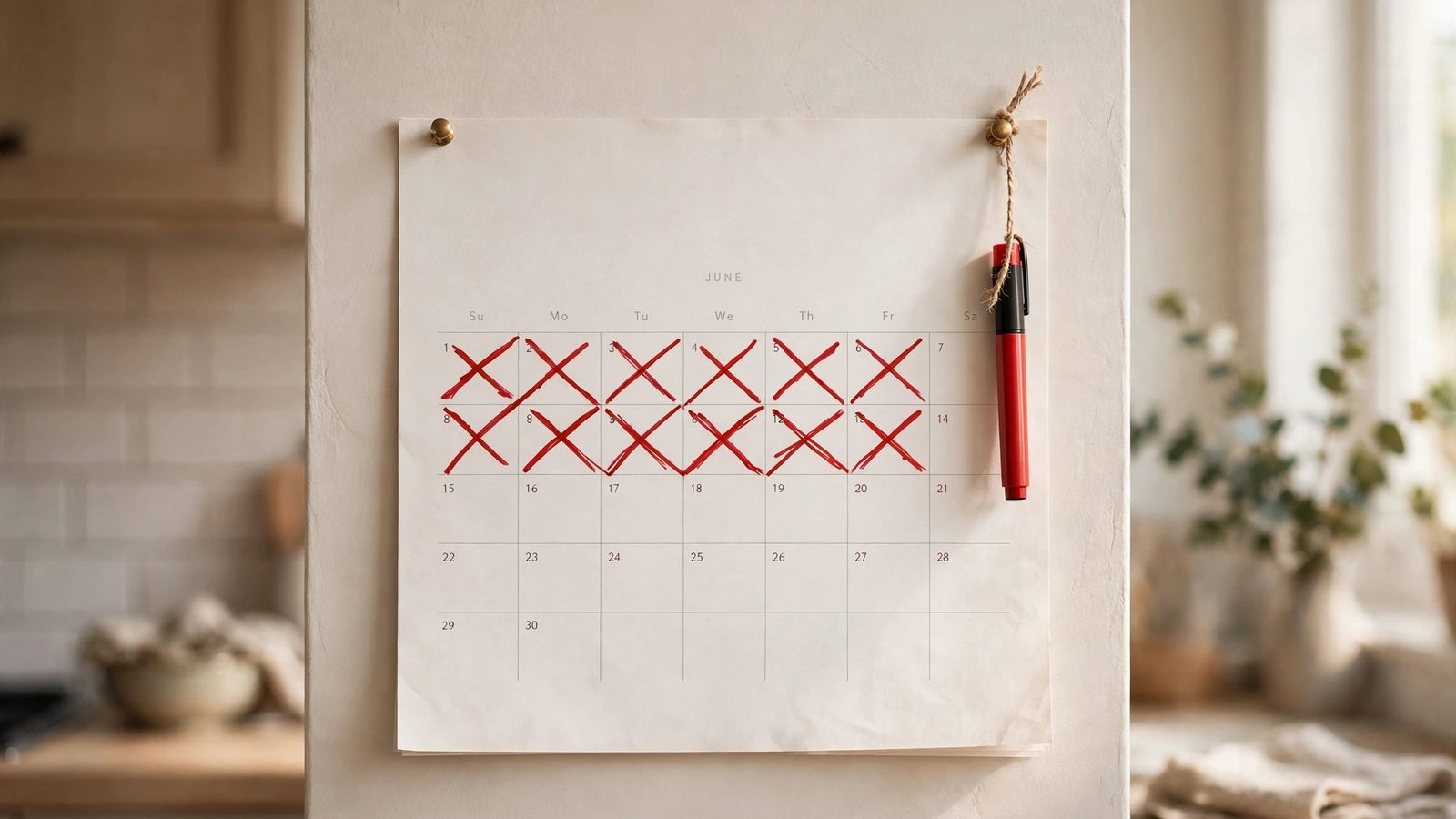
Consumer research on why broken streaks drain motivation, the fresh start effect, all-or-nothing thinking, and how to keep going after you miss a day.
7 min read
Why CBT-I is first-line treatment for chronic insomnia and how a consistent morning anchor makes sleep restriction and stimulus control work.

5 min read
What the research shows about weighted blankets: one landmark trial, systematic reviews, what remains unproven, and who should avoid them.
5 min read
What the cortisol awakening response is, why it happens, what it doesn't mean, and when to talk to a doctor about morning anxiety.
6 min read
Why new parents lose so much sleep, what safe infant sleep looks like, managing fragmented nights, and when exhaustion signals something more serious.
6 min read
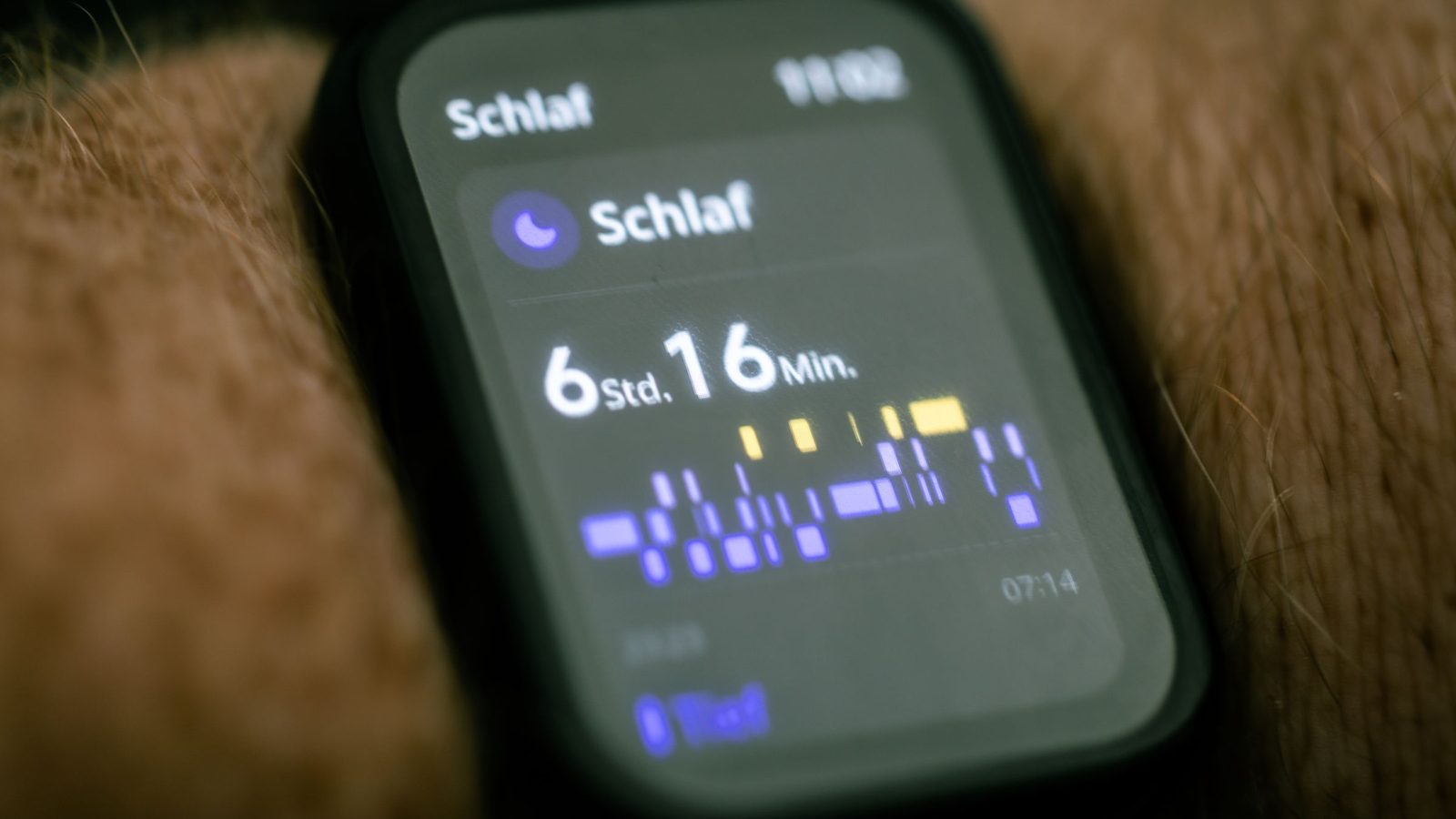
Why consumer sleep trackers overestimate your sleep, what they measure poorly, and why tracking trends matters more than nightly scores.

5 min read
NASA's tradition of wake-up music, why astronauts sleep poorly on the ISS, and how lighting systems are being upgraded to support circadian rhythms.
6 min read
Why evening light suppresses melatonin, what light levels matter, whether blue light glasses help, and how to dim down.
5 min read
Loud snoring, gasping for breath, morning headaches, and severe daytime sleepiness are warning signs. Learn how to screen yourself and when to see a doctor.
6 min read
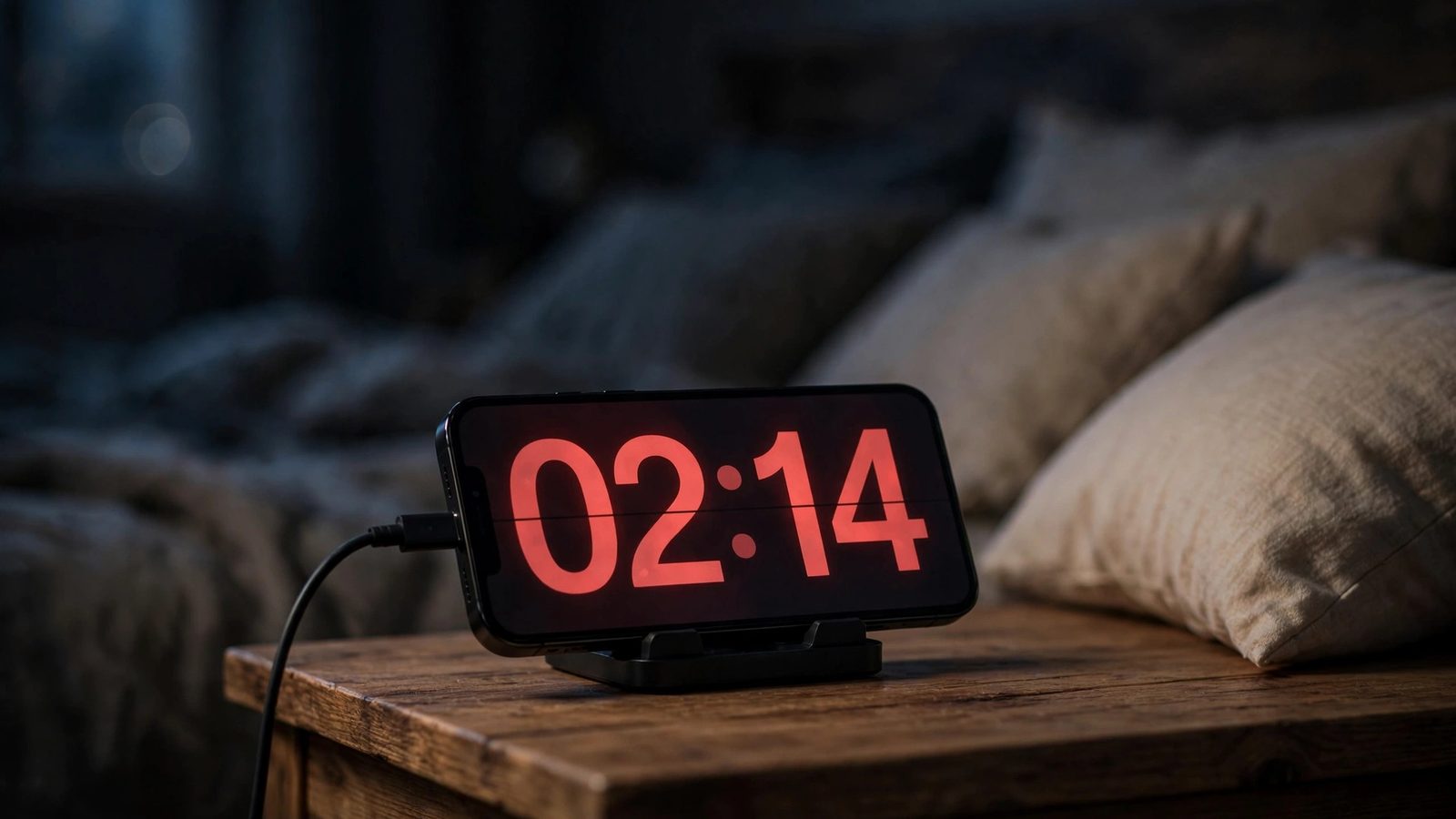
How iPhone's StandBy mode works when charging on its side, Night Mode's red display, always-on features, customizing it, and honest talk about phones in the bedroom.
6 min read
What research shows about melatonin's effects, why timing beats dosage, why labels lie, and when to ask a doctor.

7 min read
How long it takes to build an early workout routine, why context matters, and what research shows about the sleep trade-off.
5 min read
What the evidence actually shows about cold showers and sickness absence, the cold shock response, and why alertness claims lack research support.
5 min read
What happens to your body when you sleep longer on weekends, what the research shows about recovery sleep and health, and whether the trade-off is worth it.

6 min read
Why remote work changes your sleep schedule and how to keep a fixed morning routine when a commute stops being your external clock.
6 min read
Brief awakenings between sleep cycles are normal; here's what turns them into hours awake, the history of segmented sleep, and what CBT-I clinicians recommend.

7 min read
What studies show about light-based wake clocks, their limits, how they compare with real daylight, and why the benefits are smaller than the marketing suggests.
7 min read
How iPhone's Sleep Schedule, Wind Down, and Sleep Focus work together, their relationship to your alarm, and practical configuration from the Health app.
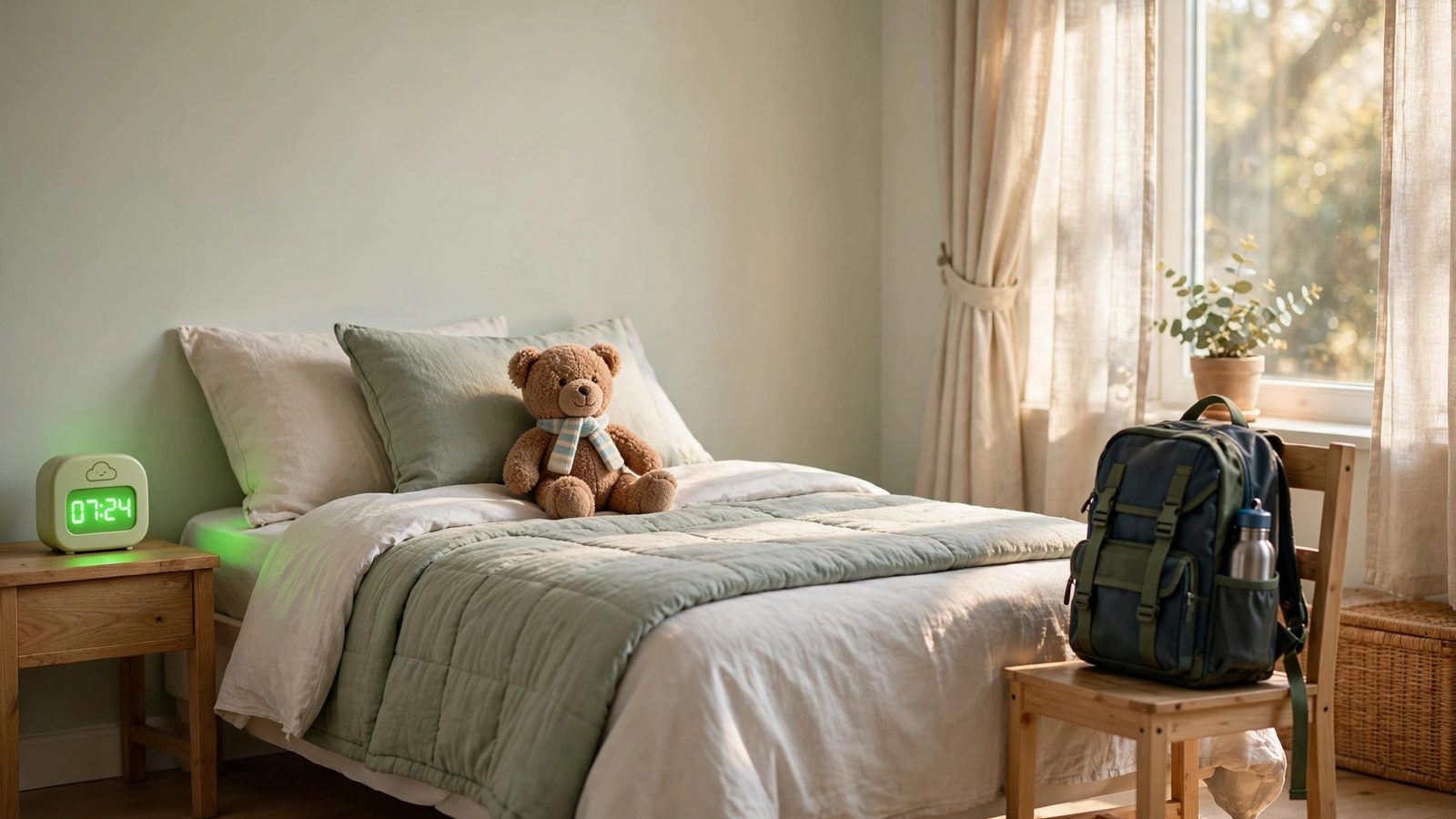
7 min read
Sleep needs for children 6 to 12, the role of bedtime routines, why ok-to-wake clocks work, and giving kids their own alarm as a learning step into responsibility.
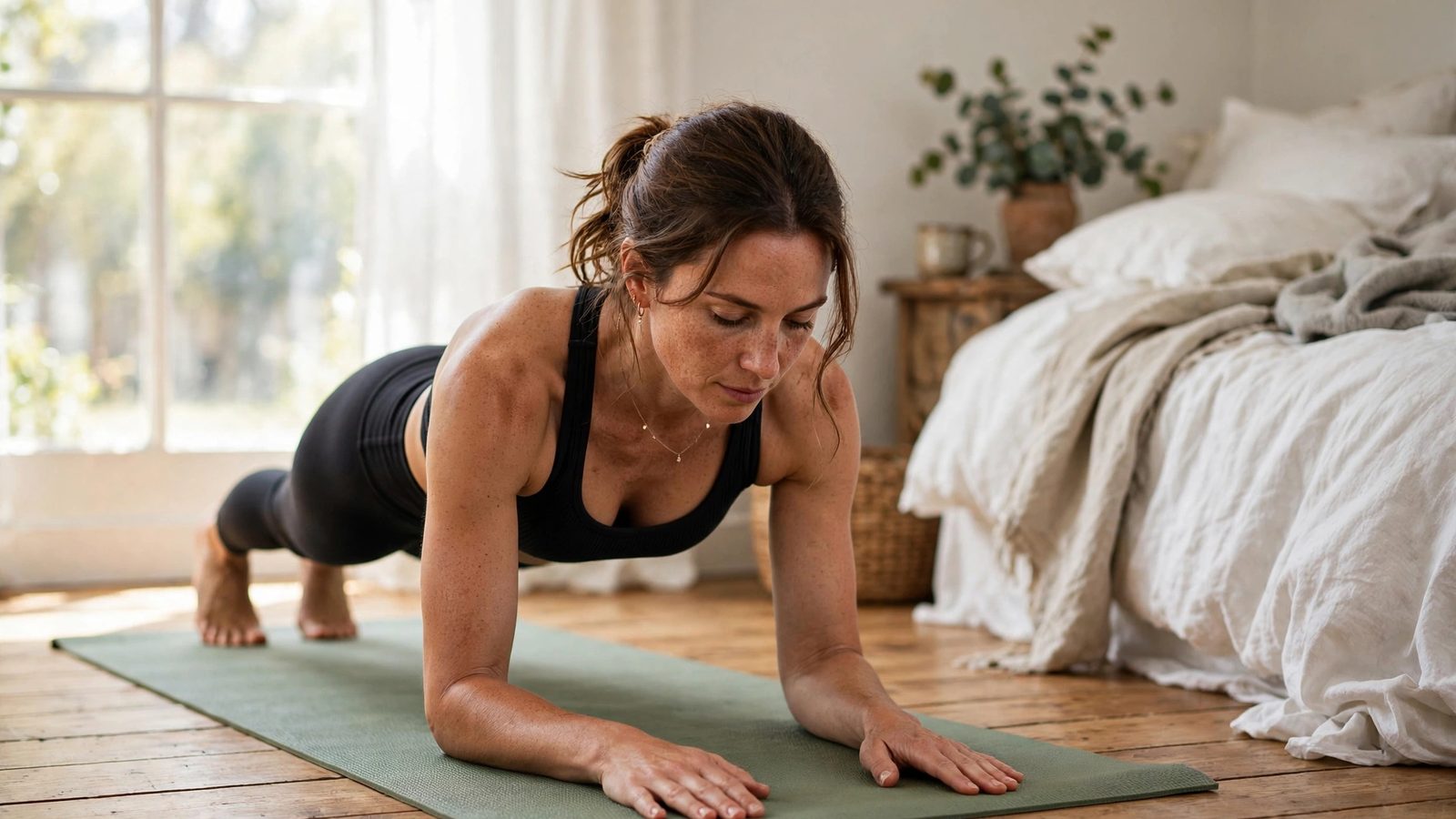
6 min read
Blood pressure drops when standing quickly, spinal stiffness after lying down, and how to warm up before bodyweight exercise in the morning.
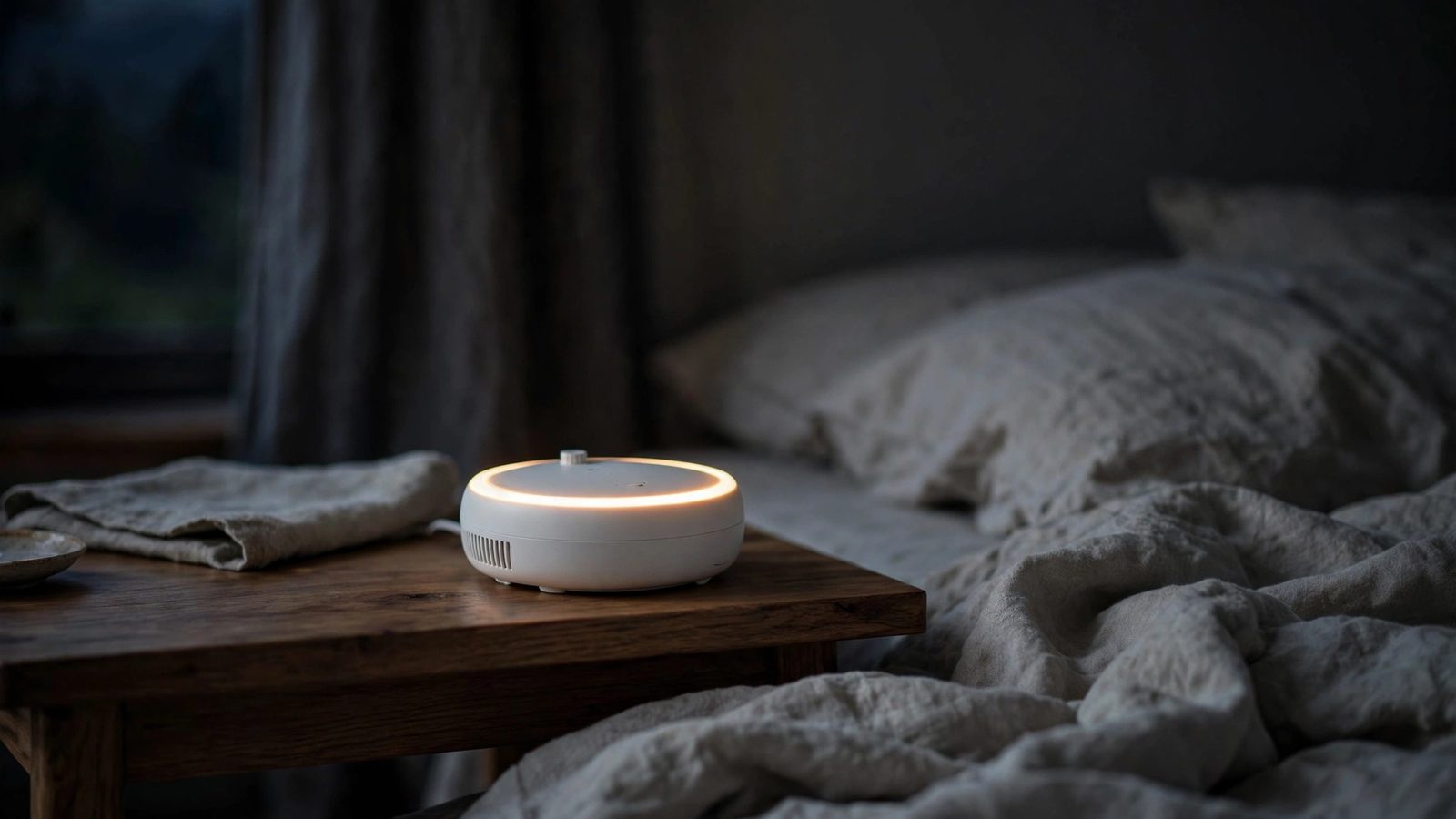
6 min read
What the research shows about white noise, pink noise, and masking. The evidence is weaker than you might think.
5 min read
Why early morning classes hurt attendance and grades, what your body clock is doing, and practical strategies for the semester ahead.

5 min read
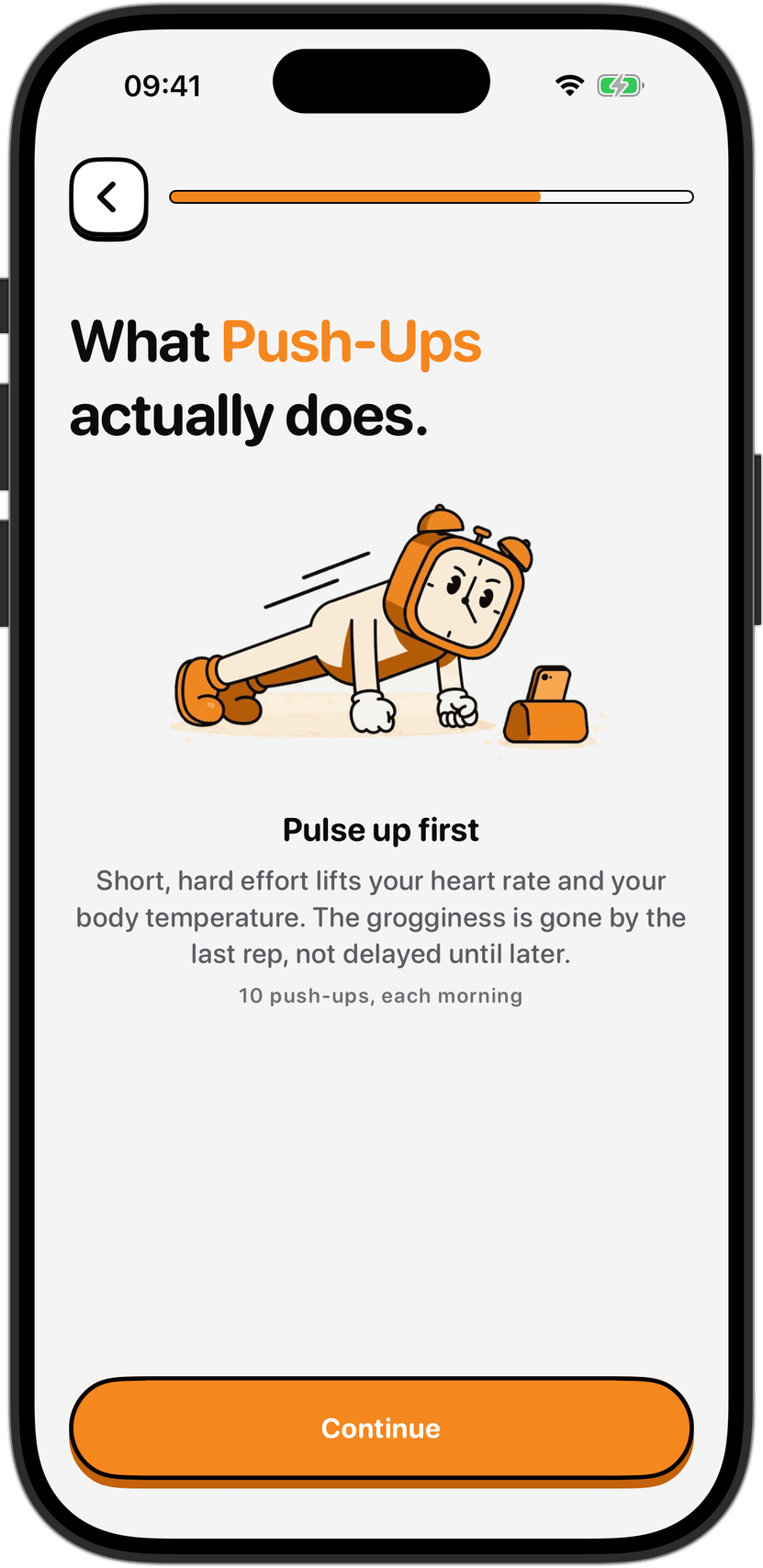
How a short burst of physical activity raises heart rate and body temperature to increase alertness and cognition after waking.
5 min read
What research shows about bedtime procrastination, its link to work stress, and evidence-based approaches to stay awake less late.

7 min read
Why night shifts disrupt sleep, what shift work disorder is, and strategies to anchor your sleep and adjust your circadian rhythm.
5 min read
The light from screens suppresses melatonin, but later studies find mixed effects. What the evidence actually says about e-readers, notifications, and using your phone as an alarm.
7 min read
The 2015 AASM and Sleep Research Society consensus, the National Sleep Foundation's age ranges, genetic short sleepers, and how to find your own number.
7 min read
Why sleeping in two or three hours on weekends drags your body clock later, what a landmark 2006 study found, and how a steady wake time helps.
8 min read
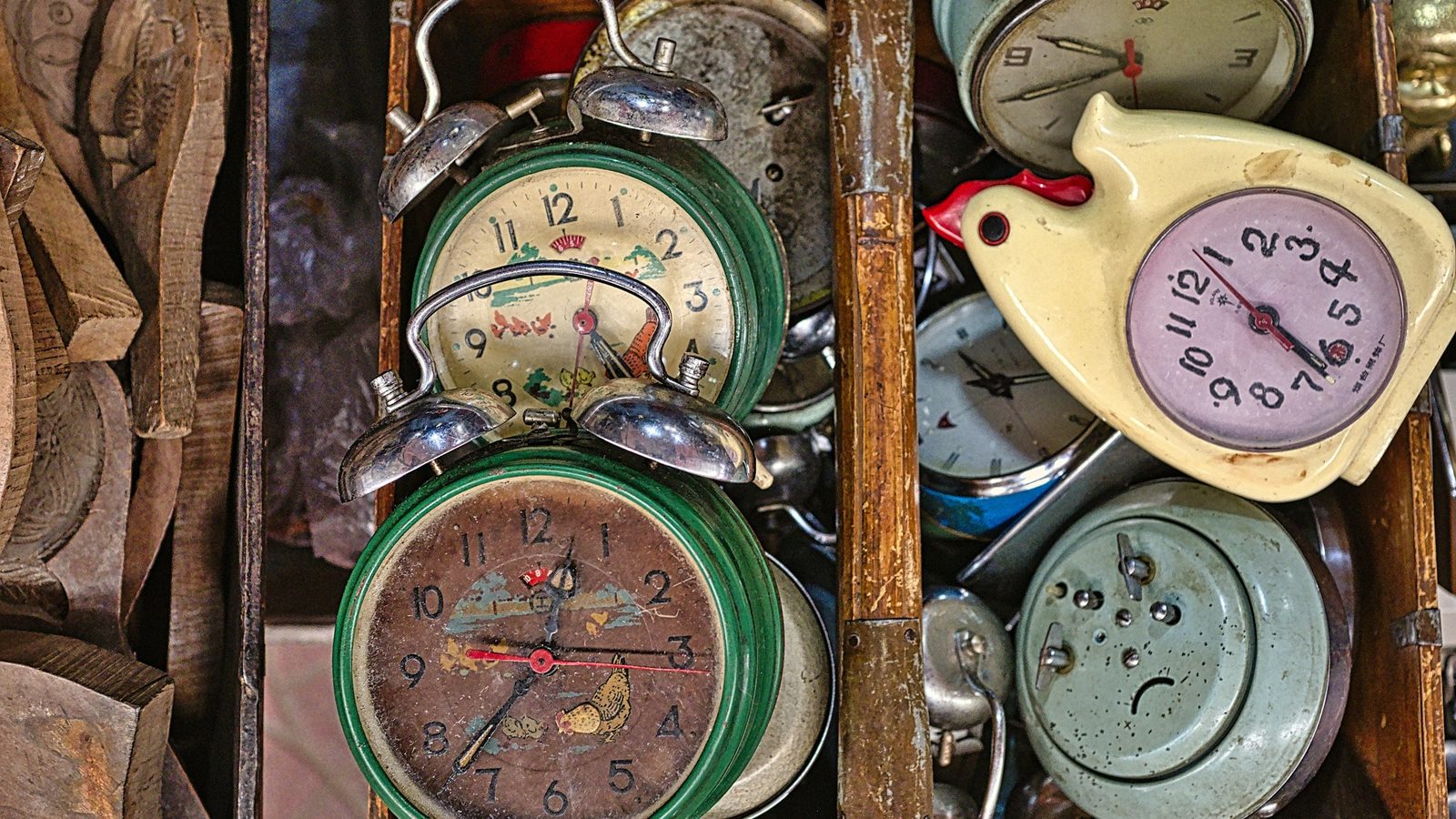
Levi Hutchins in 1787, Britain's knocker-uppers, the real story behind the 9-minute snooze, and how Apple's AlarmKit changed the iPhone alarm in 2025.
8 min read
What chronotype means, how researchers measure it with a questionnaire and genetics, and why a late riser isn't lazy, just wired later.

6 min read
Alcohol shortens time to fall asleep, then fragments sleep as the body metabolizes it, worsens snoring, and leaves a measurable cognitive hangover by morning.
8 min read
A 1999 hormone study, the body's circadian rhythm and a steady wake time explain the effect, and why one short night is usually enough to erase it.

7 min read
Short naps of 10 to 20 minutes beat longer ones for grogginess, plus what the NASA pilot nap study and the coffee nap research actually found.
6 min read
Why eastward flights are harder than westward ones, how many days jet lag really takes, and what CDC and AASM say about light and melatonin timing.
8 min read
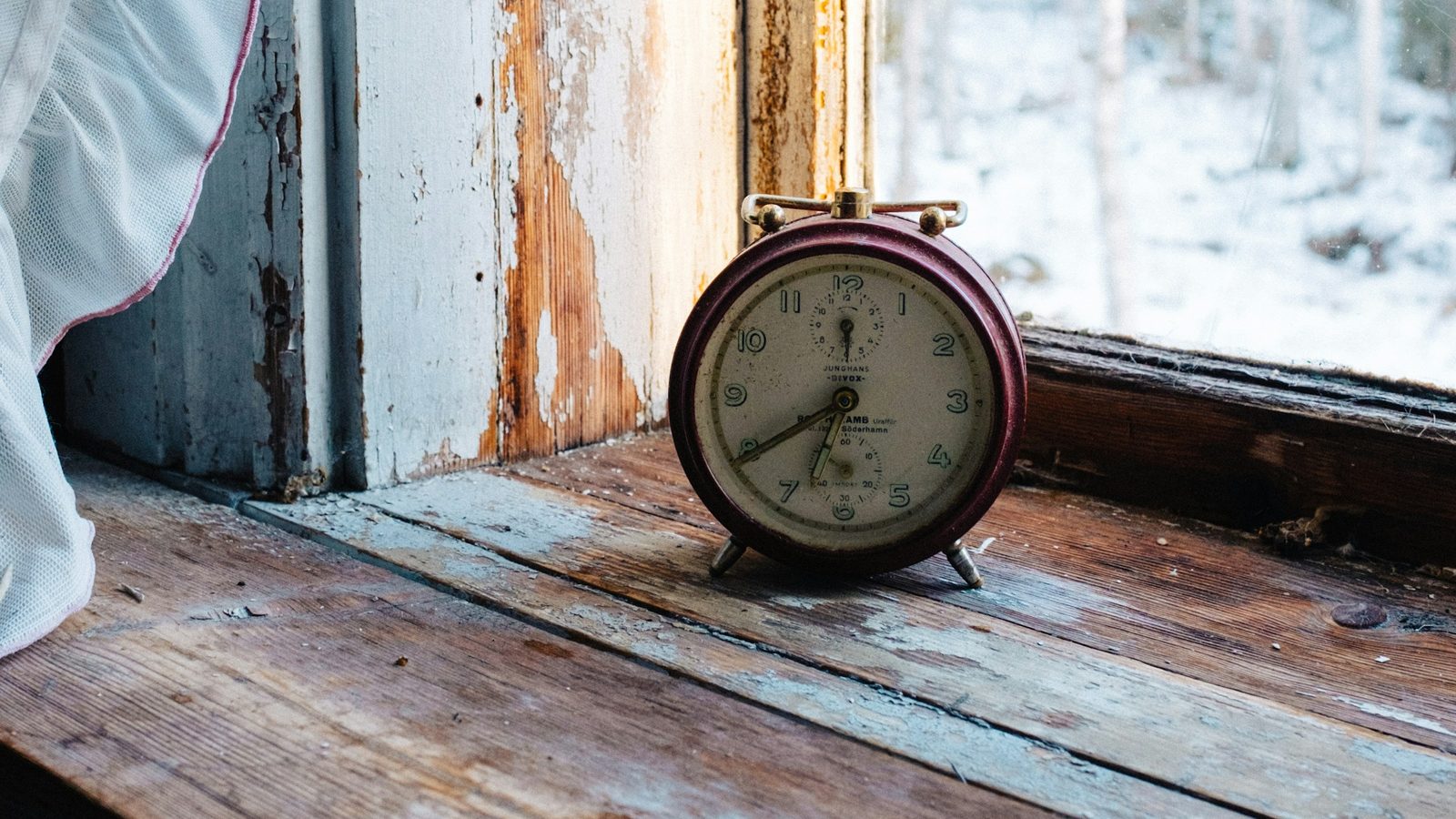
How melanopsin cells in the eye read daylight, why an overcast morning still beats indoor lighting in lux, and why the first hour after waking matters most.
8 min read
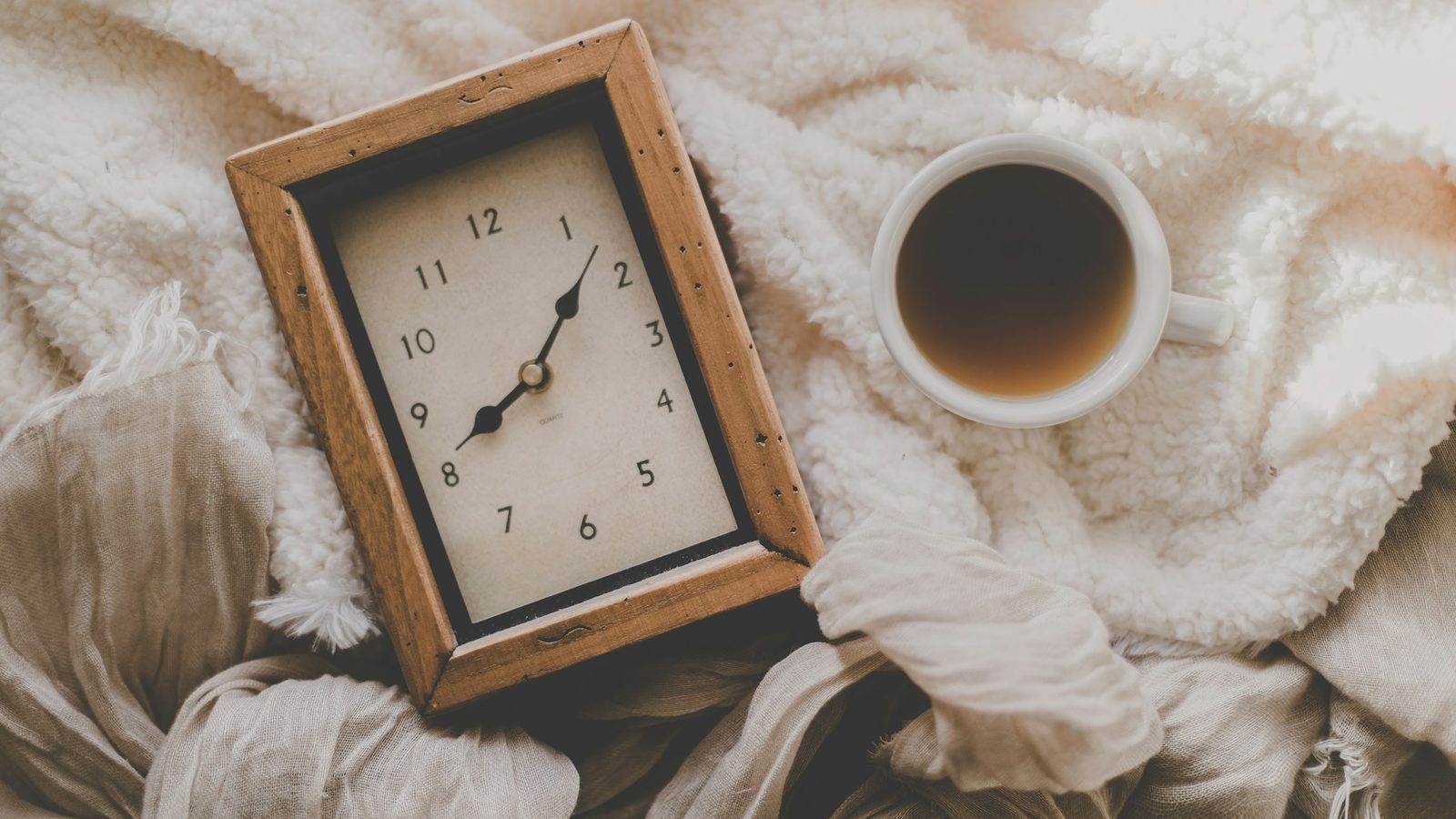
What sleep lab research shows about caffeine timing, why metabolism varies between people, and why the 90 minute delayed coffee rule has thin evidence.
6 min read
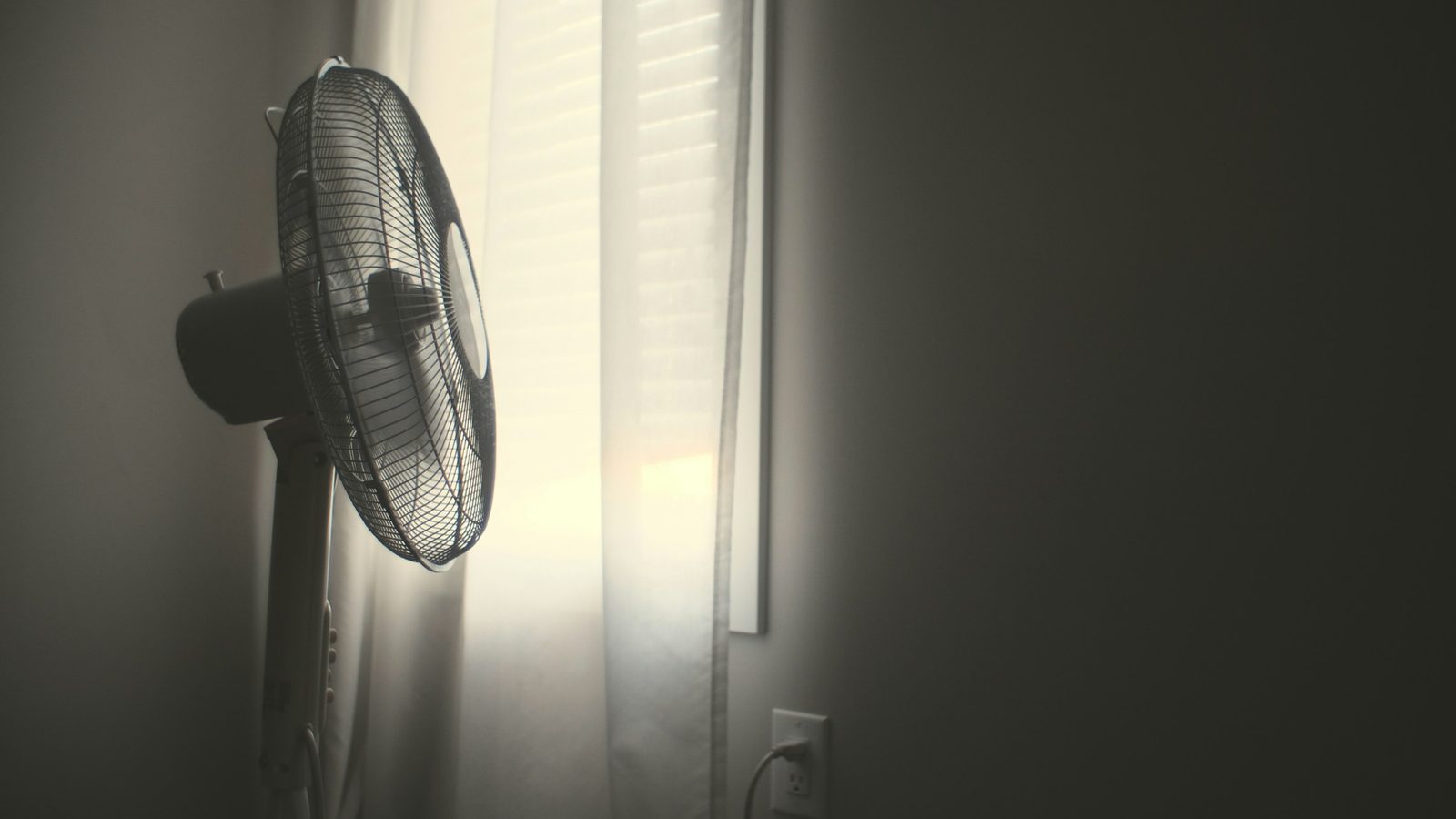
Warm bedrooms block the temperature drop sleep needs. What global heat data show, the ideal bedroom temperature, and how to cool a room without AC.