Waking up exhausted every morning? Signs of sleep apnea
Loud snoring, gasping for breath, morning headaches, and severe daytime sleepiness are warning signs. Learn how to screen yourself and when to see a doctor.
Visana Studios
5 min read
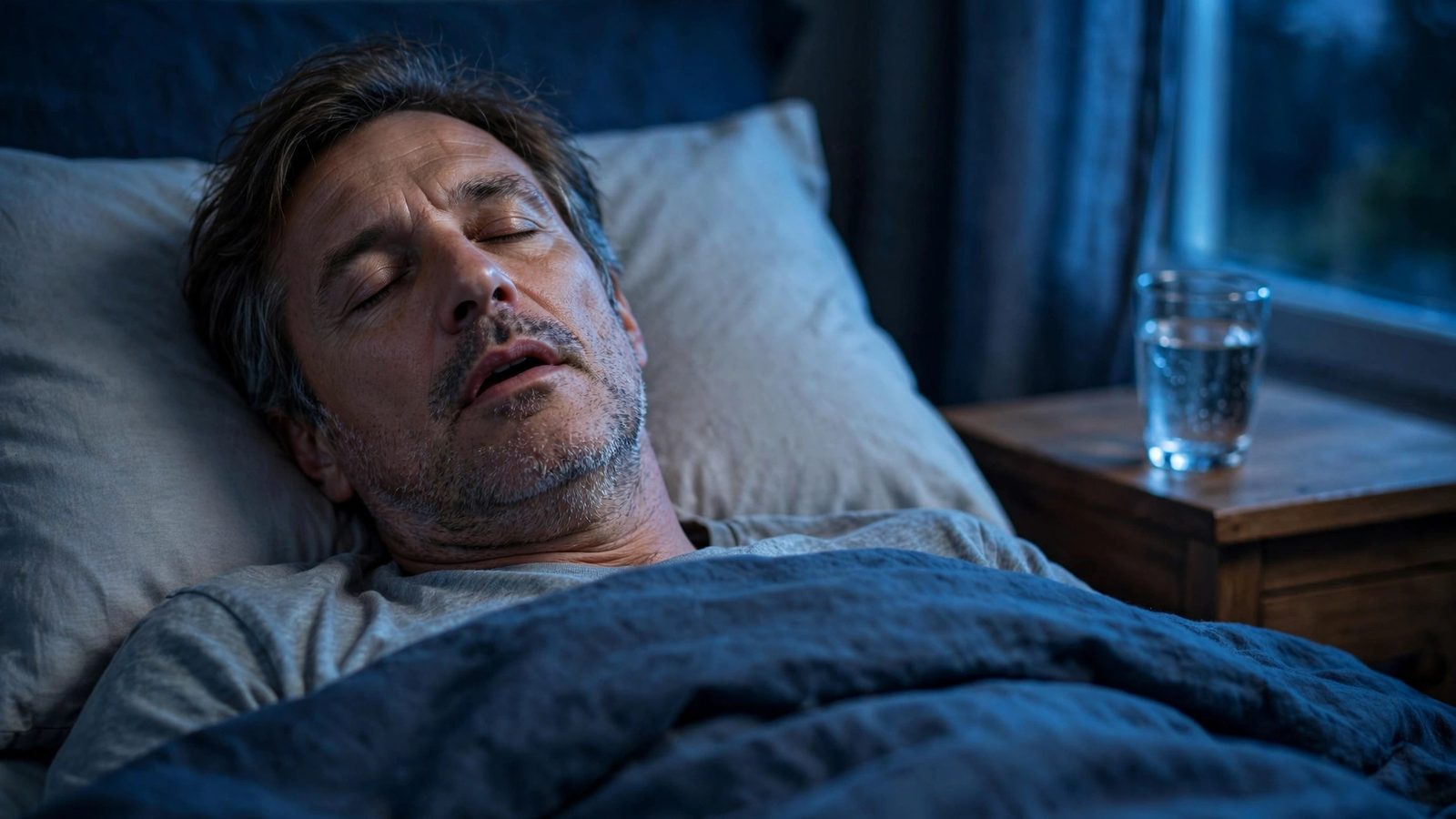
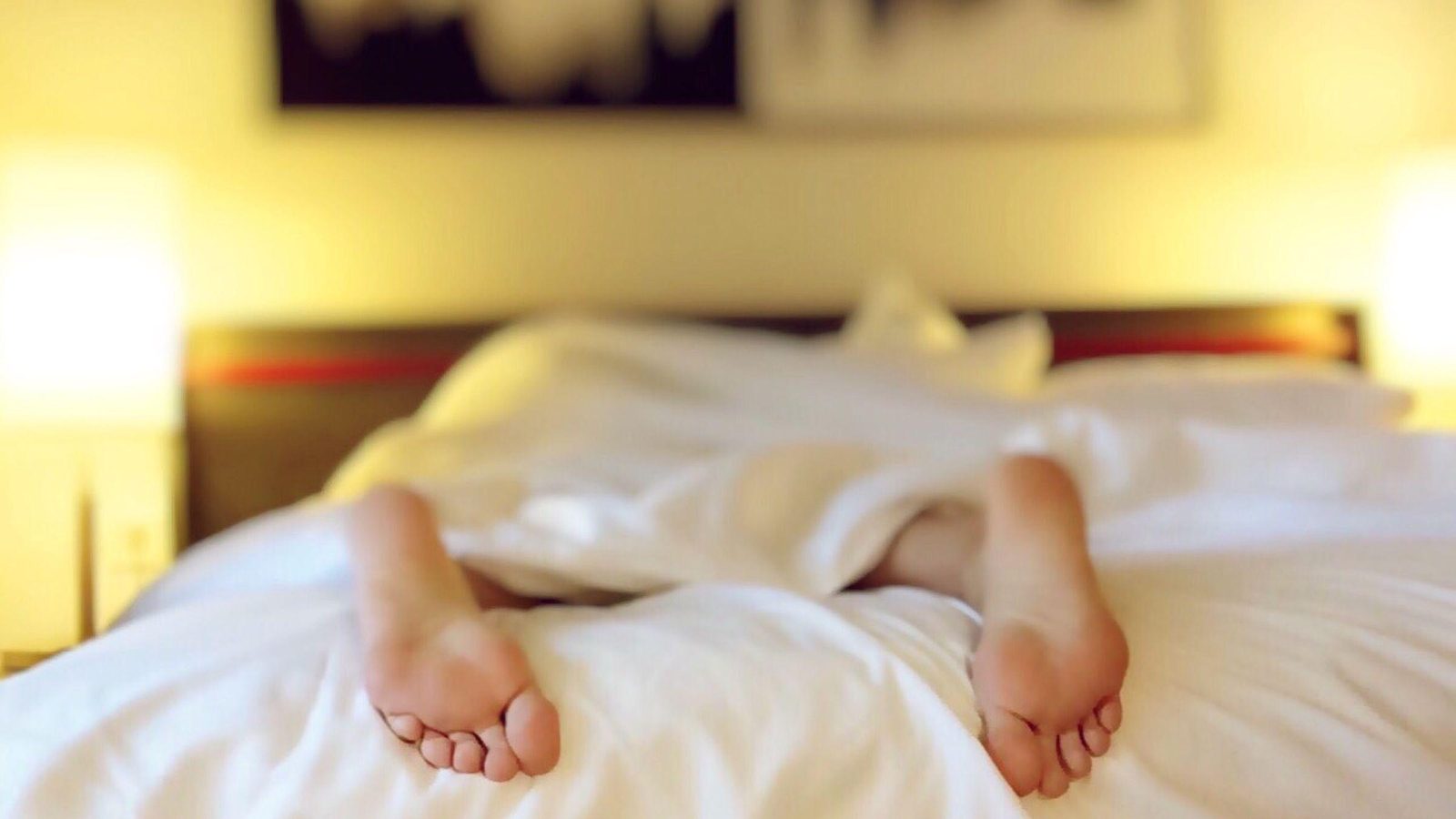
You wake at 07:00 and within minutes the alarm is off, but the exhaustion hits differently than usual. Not the groggy weight of sleep inertia, which fades by mid-morning. This is a fatigue that lingers through breakfast, makes the drive to work feel dangerous, and leaves you wondering if something is actually wrong. For roughly 30 million adults in the United States, that daily collapse is a sign of something specific: sleep apnea, a disorder where breathing stops and starts repeatedly during sleep.
Most people with sleep apnea don't know they have it. The symptoms happen while you're asleep, and a partner or household member usually notices first. Understanding these warning signs matters because untreated sleep apnea leaves you in a state of constant exhaustion that feels different from regular morning grogginess.
What sleep apnea actually is
Sleep apnea means your airway closes or narrows while you sleep, cutting off oxygen and interrupting breathing. You might gasp awake, or the disruption might be brief enough that you stay asleep but never quite rest. Either way, the sleep breaks into fragments too short for real recovery.
The most common type is obstructive sleep apnea, where throat muscles relax and block the airway. Less common is central sleep apnea, where the brain fails to signal the breathing muscles properly. Both leave you waking exhausted.
The warning signs
Loud, chronic snoring is the classic alarm. Not occasional snoring on a congested night, but night after night, loud enough to wake someone in another room. Snoring alone doesn't mean sleep apnea, but the pattern matters. If the snoring gets interrupted by actual gasping or choking sounds, that's a stronger signal.
Morning headaches that hit before you even get out of bed suggest oxygen was dropping through the night. A dry mouth or sore throat when you wake points to breathing disruptions. Some people find they are irritable by late afternoon or struggle to remember things they'd normally hold easily. These are all daytime spillover from broken sleep.
The fatigue is what people usually come to a doctor about. You slept eight hours but feel like you slept three. You doze off in meetings or while sitting still. Your reaction times get slower. This isn't laziness and it isn't normal grogginess. It's the specific exhaustion of a body that never got proper rest, a state that demands a doctor's attention if it doesn't improve.
Risk climbs if you are overweight, have a thick neck, are male, are middle-aged or older, or have family history of sleep apnea. Smoking and heavy alcohol use increase risk too, as does sleeping on your back, which lets gravity narrow the airway more easily.
Screening questionnaires and self-assessment
A screening tool called STOP-Bang can help you decide if a doctor's evaluation makes sense. The name comes from the questions it asks: Do you Snore loudly? Do you often feel Tired, fatigued, or sleepy during the day? Has anyone Observed you stop breathing during sleep? Do you have high blood Pressure? Body mass index: is it over 35? Age: are you over 50? Neck circumference: is it large? Gender: are you male? Score four or more points and moderate to severe sleep apnea becomes more likely.
STOP-Bang is not a diagnosis. It's a way to know whether talking to a sleep doctor is worth your time. A doctor can order a real sleep study, which gives you the actual answer.
Getting diagnosed
A professional sleep study, called polysomnography, is the only way to know for sure. You either come to a sleep lab overnight or do a simplified version at home with a portable monitor that tracks breathing, oxygen levels, and heart rate while you sleep. The monitor counts how many times an hour you stop breathing or have partial breathing events. That number, called the Apnea-Hypopnea Index, determines severity: mild is 5 to fewer than 15 events per hour, moderate is 15 to fewer than 30, and severe is 30 or more.
Your doctor will also take your history, ask about your symptoms, and do a physical exam that checks your throat and neck. Untreated sleep apnea raises your risk of high blood pressure, heart disease, and stroke, so getting a diagnosis matters.
What to do if you suspect it
Talk to your doctor. Bring your partner if they have noticed snoring or gasping. Mention the morning headaches, the afternoon crashes, and how many hours you actually sleep versus how rested you feel. A sleep medicine specialist can order the test.
If you have an Apple Watch, the device can track breathing disturbances and alert you if it detects signs of moderate to severe sleep apnea over a 30-day period. The notification is not a diagnosis, and Apple is clear that the watch "is not a medical device and is not intended to replace talking with your doctor." But it can be a useful nudge to actually make that appointment.
Treatment options range from a CPAP machine (which keeps your airway open with gentle air pressure) to lifestyle changes like weight loss or sleeping on your side, to dental appliances or surgery in specific cases. The right approach depends on how severe it is and what will actually work for your life. Many people see dramatic improvements in daytime alertness once treatment starts, because for the first time in years, they are actually sleeping.
If mornings feel like you are waking up from a night you never got, and the exhaustion stays with you through the day, that is worth investigating. Sleep apnea is common, treatable, and the cost of not catching it climbs every month you wait.
Sources
Benjafield AV, et al. Estimation of the global prevalence and burden of obstructive sleep apnoea: a literature-based analysis. The Lancet Respiratory Medicine. 2019;7(8):687-698. https://doi.org/10.1016/S2213-2600(19)30198-5
Sleep Foundation. Sleep Apnea, accessed September 2026. sleepfoundation.org/sleep-disorders/sleep-apnea
National Health Service. Sleep Apnoea. nhs.uk/conditions/sleep-apnoea/
Apple Inc. Receive sleep apnea notifications on Apple Watch. support.apple.com/guide/watch/receive-sleep-apnea-notifications-apd4e7713562/watchos