Does lack of sleep make you catch colds?
Two controlled studies gave healthy adults a cold virus after measuring their sleep. Short sleepers caught colds more often, though the samples were small.
Visana Studios
5 min read
Sleeping less than about seven hours a night may make you more likely to catch a cold. Two small experiments point that way. In both, healthy volunteers were quarantined, given drops of a rhinovirus through the nose and watched for signs of illness. The two studies agree in direction, but the groups were small and the setting was artificial, so the size of the effect needs careful handling.
What the two studies measured
The first study appeared in Archives of Internal Medicine in 2009. Sheldon Cohen and colleagues enrolled 153 healthy adults aged 21 to 55. For 14 nights before the virus was given, each person reported how long they slept and how efficiently. Efficiency meant the share of time in bed actually spent asleep.
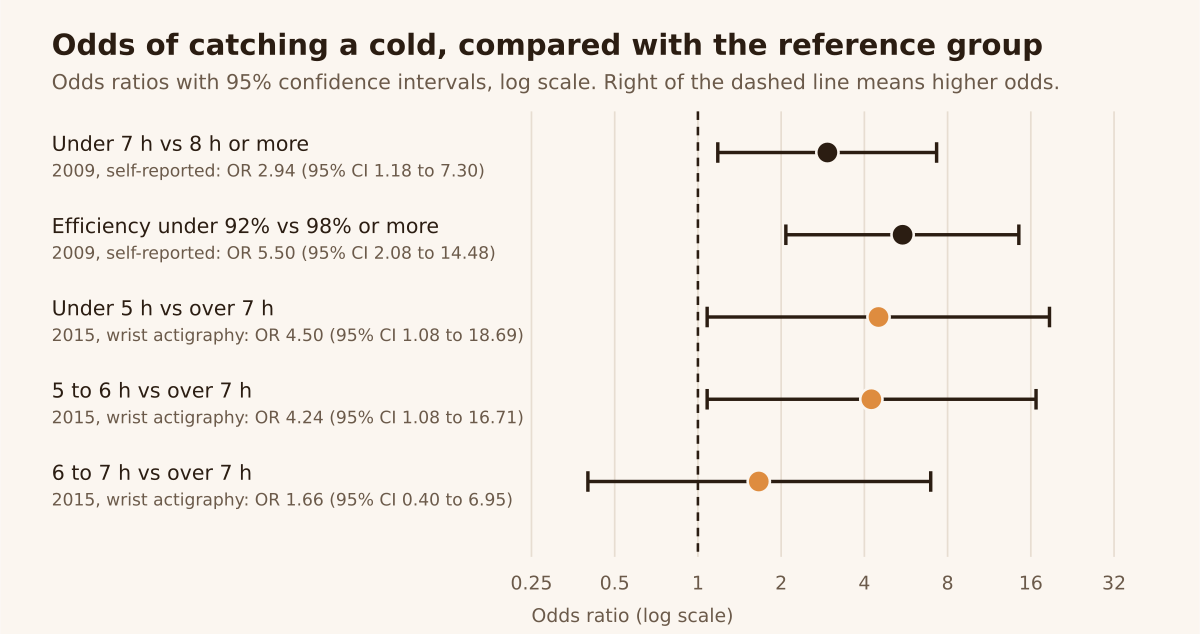
People who averaged less than seven hours were 2.94 times as likely to develop a cold as those who averaged eight hours or more. The gap for sleep efficiency was sharper. Those below 92% efficiency were 5.50 times as likely to get sick as those at 98% or above. The link held after the researchers accounted for antibody levels, demographics, season, body mass, socioeconomic status and psychological measures. How rested people felt was not associated with colds.
The second study appeared in the journal Sleep in 2015. Aric Prather led it, with Cohen as a coauthor. This time sleep was measured with wrist actigraphy, a watch-like sensor that records movement, over seven nights. The team enrolled 164 healthy adults aged 18 to 55, quarantined them and exposed them to a rhinovirus. A clinical cold counted only when infection came with objective signs of illness.
Those sleeping under five hours had 4.50 times the odds of a cold compared with people who slept more than seven hours. Those sleeping five to six hours had 4.24 times the odds. The six-to-seven-hour group did not differ significantly from the long sleepers, with an odds ratio of 1.66. Sleep broken into fragments was unrelated to cold risk.
Why the numbers need careful reading
Odds ratios of four or five sound dramatic, but the intervals around them are wide. For the shortest sleepers in 2015, the 95% interval runs from 1.08 to 18.69. The lower bound sits barely above no effect, and the upper bound is far above the estimate. The data point to a real association in this setting, but they cannot pin down how large it is.
The middle group in 2015 makes the same point from the other side. An odds ratio of 1.66 with an interval from 0.40 to 6.95 fits a modest increase, no change, or a small decrease. The study was not big enough to say which.
The design has limits as well. Both studies used healthy adults between 18 and 55, so they say little about children, older adults or people with weakened immune systems. Being given a rhinovirus in a controlled setting is not the same as meeting one in a crowded office or school. Sleep was measured rather than assigned, so a shared cause could explain part of the pattern. The researchers adjusted for several such factors, but no study adjusts for everything. Neither study set out to explain how sleep affects the body's defence against a virus, and this post does not offer a mechanism.
What the guidance says and what to do with it
The CDC recommends that adults aged 18 to 60 sleep seven or more hours a night. The cold studies drew their line at the same place, but neither was designed to find a safe number. The sharpest differences in the data sat below six hours. The CDC's sleep pages also list getting sick less often among the benefits of enough sleep. That statement comes without figures, but it fits what the experiments found.
If most of your nights come in under seven hours, the useful question is where the time goes. For many people the bedtime is the part that slips, while the alarm stays put. A steady wake time makes that slippage easier to spot. The post on how one bad night affects the next morning covers the short-term effects of a lost night, and how much sleep adults need sets out the ranges by age.
If you catch colds often, or your sleep has been poor for weeks, a doctor is the right person to ask. Short sleep can be a sign of something that a change in bedtime will not fix.
Where NoNap fits
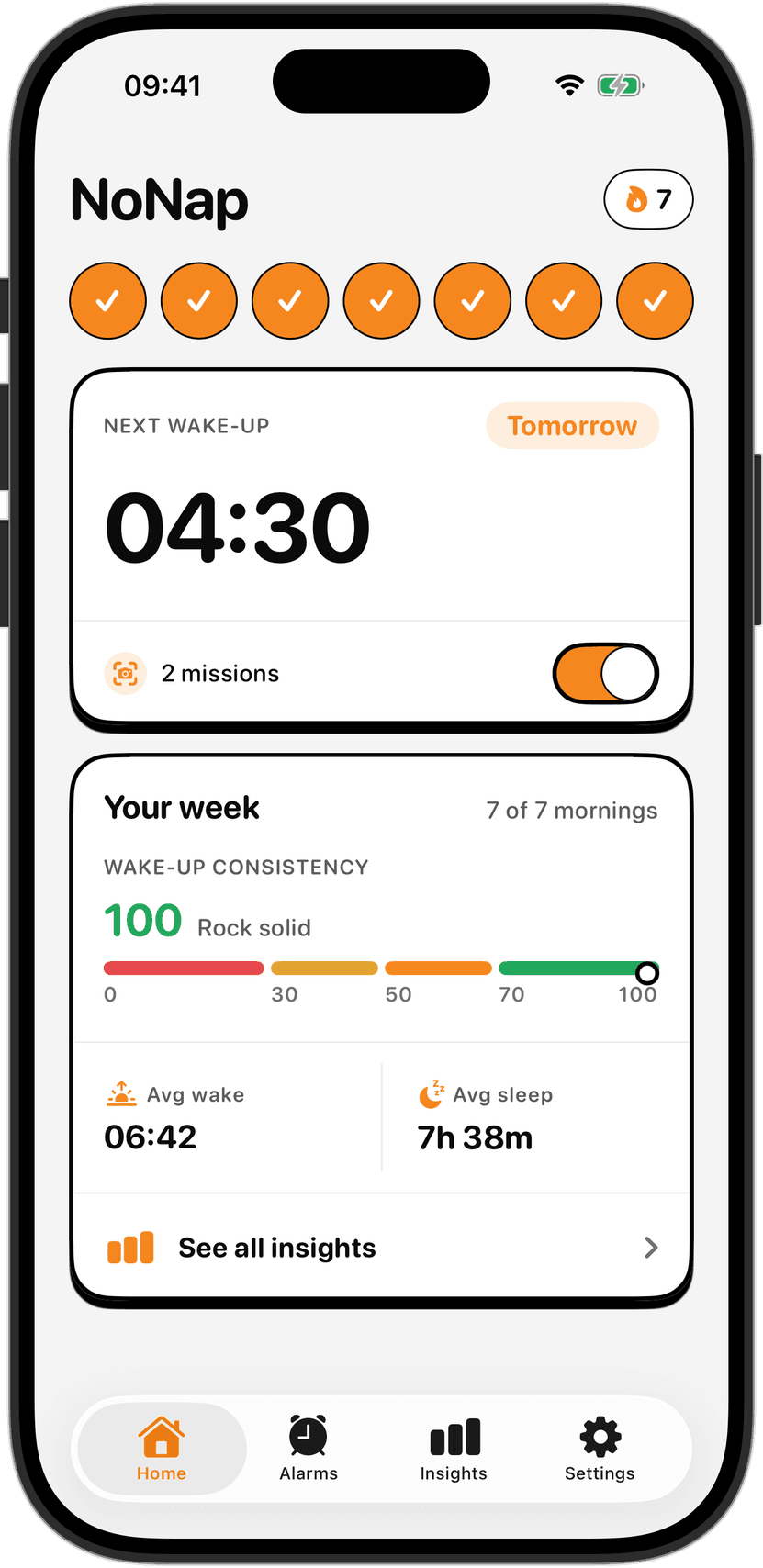
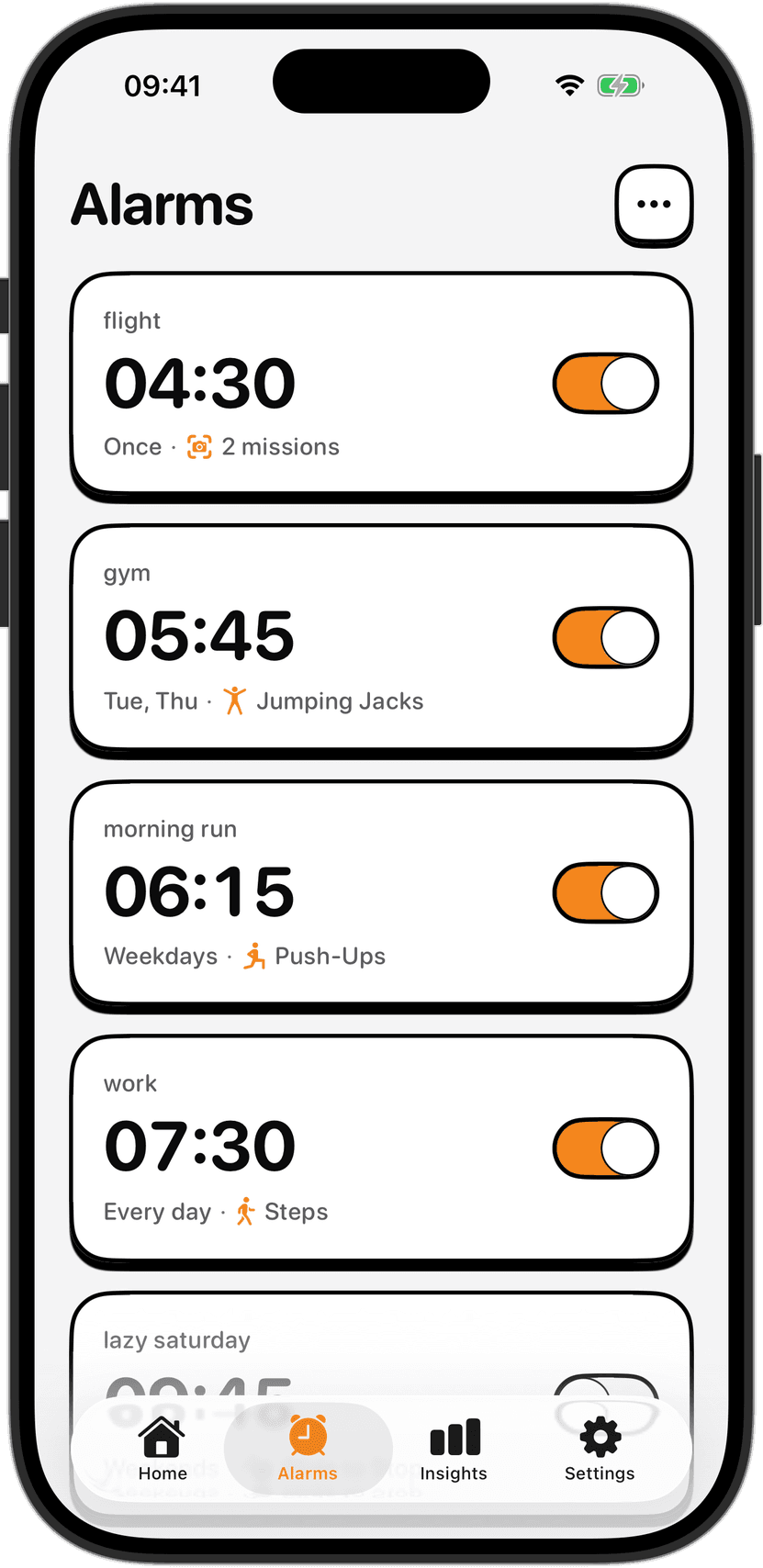
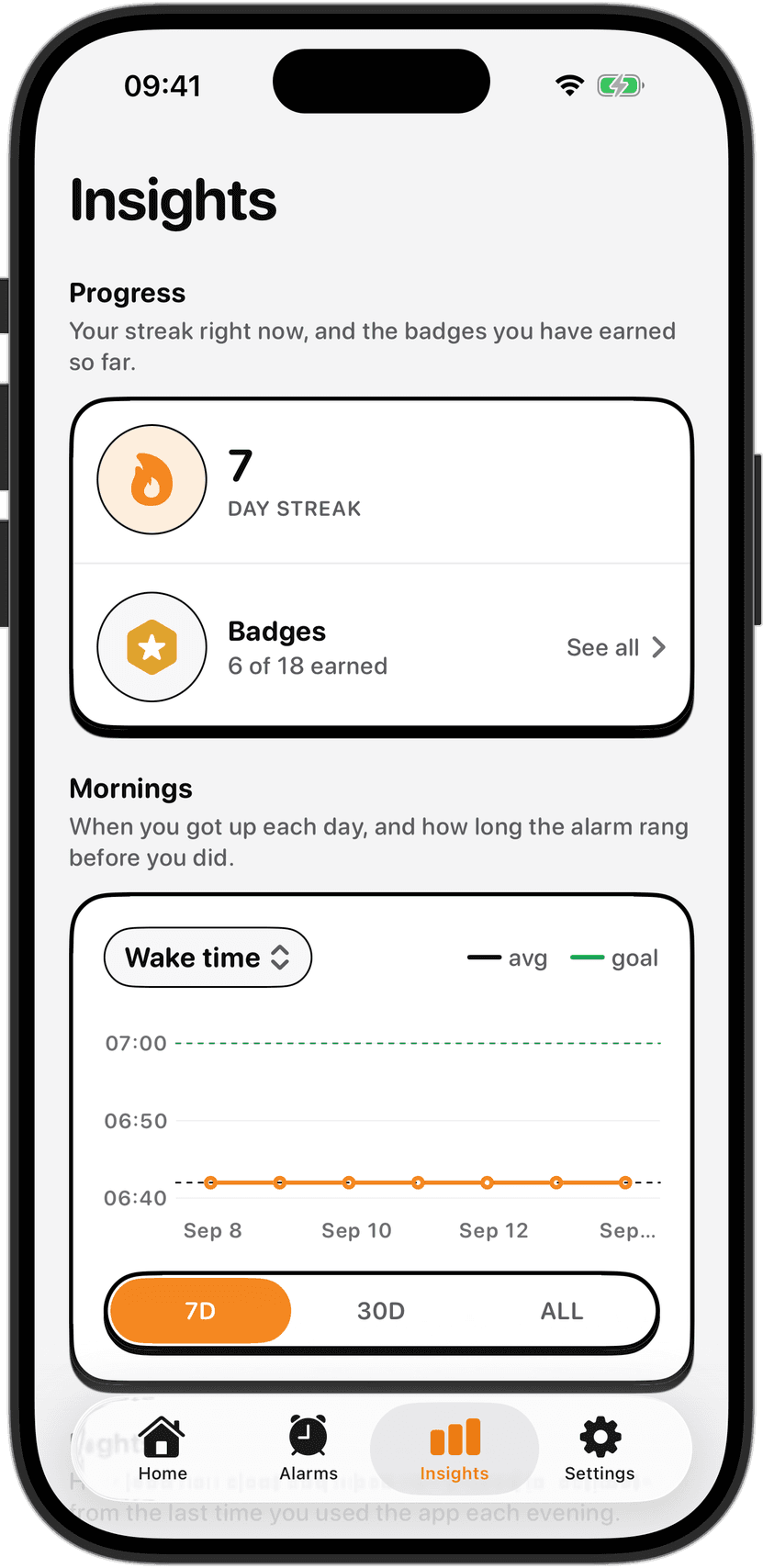
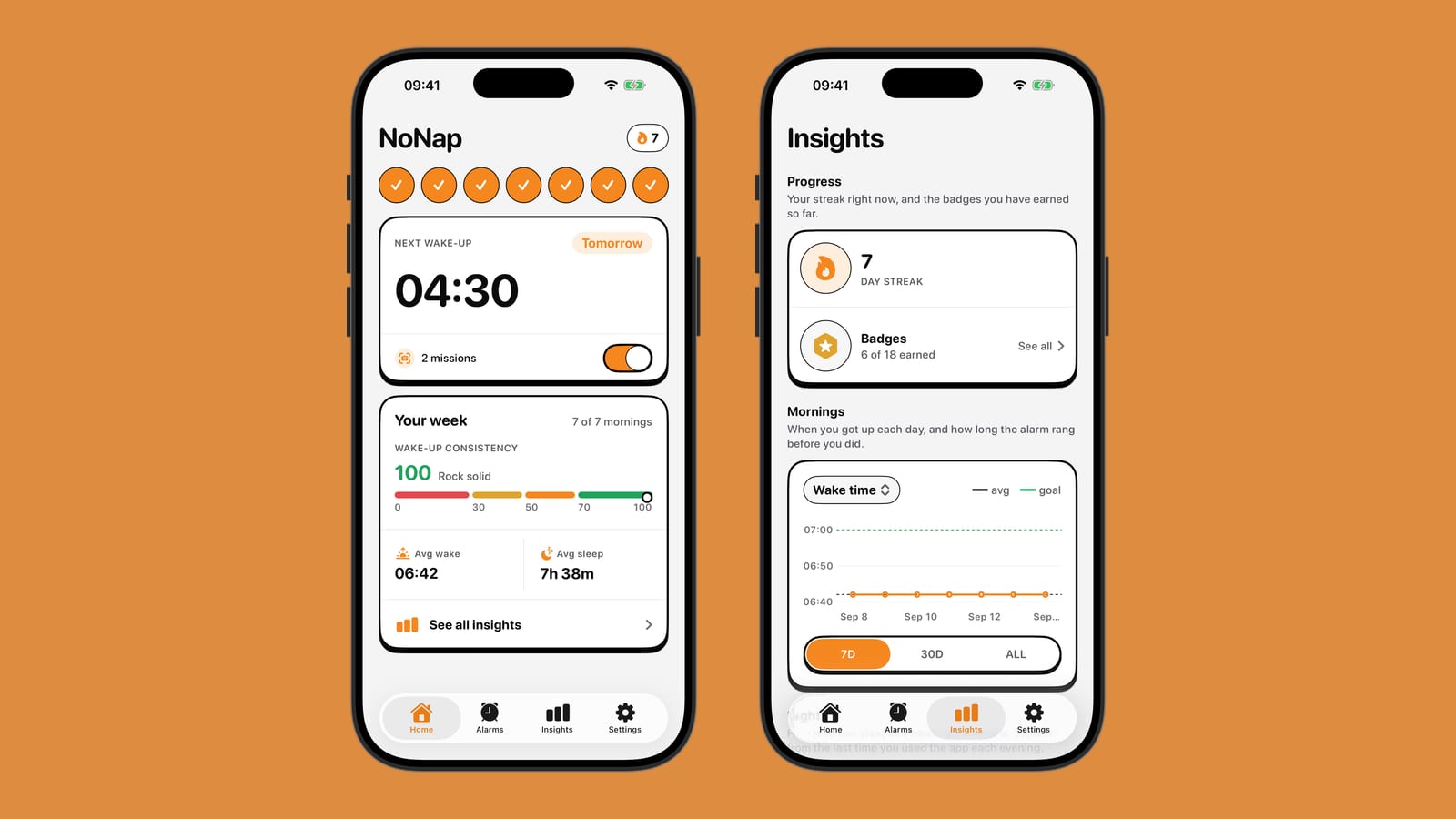
NoNap does not track sleep, so it cannot tell you how long you slept or whether a cold is on its way. It does record the gap between the time you set and the time you got up. The insights screen charts each morning against your goal, so a run of late starts shows up on the page. That wake-up history stays on your phone.
Some of NoNap's wake tasks are physical, and you complete the one you chose in advance to turn the alarm off. Clear space around you before you move, and keep away from stairs, glass, sharp edges and other people. If you walk as part of a task, watch for traffic, kerbs and uneven ground. Sleep inertia slows coordination, balance and judgement in the first minutes after waking, so pick a task you can finish half-awake. If anything hurts, or you feel dizzy or short of breath, stop. Do not push through it to switch off the alarm.
Sources
Cohen S, Doyle WJ, Alper CM, Janicki-Deverts D. Sleep habits and susceptibility to the common cold. Archives of Internal Medicine. 2009. The 153 participants, the 14-night sleep baseline, and the odds ratios of 2.94 for under seven hours and 5.50 for efficiency under 92% come from this paper. doi:10.1001/archinternmed.2008.505. https://pubmed.ncbi.nlm.nih.gov/19139325/
Prather AA, Janicki-Deverts D, Hall MH, Cohen S. Behaviorally assessed sleep and susceptibility to the common cold. Sleep. 2015. The 164 participants, the wrist actigraphy measurement, the odds ratios for under five hours (4.50), five to six hours (4.24) and six to seven hours (1.66), and the finding on sleep fragmentation come from this paper. doi:10.5665/sleep.4968. https://pubmed.ncbi.nlm.nih.gov/26118561/
Centers for Disease Control and Prevention. Sleep and Sleep Disorders: About Sleep. The recommendation of seven or more hours for adults aged 18 to 60, and the listing of getting sick less often among the benefits of sleep. https://www.cdc.gov/sleep/about/index.html
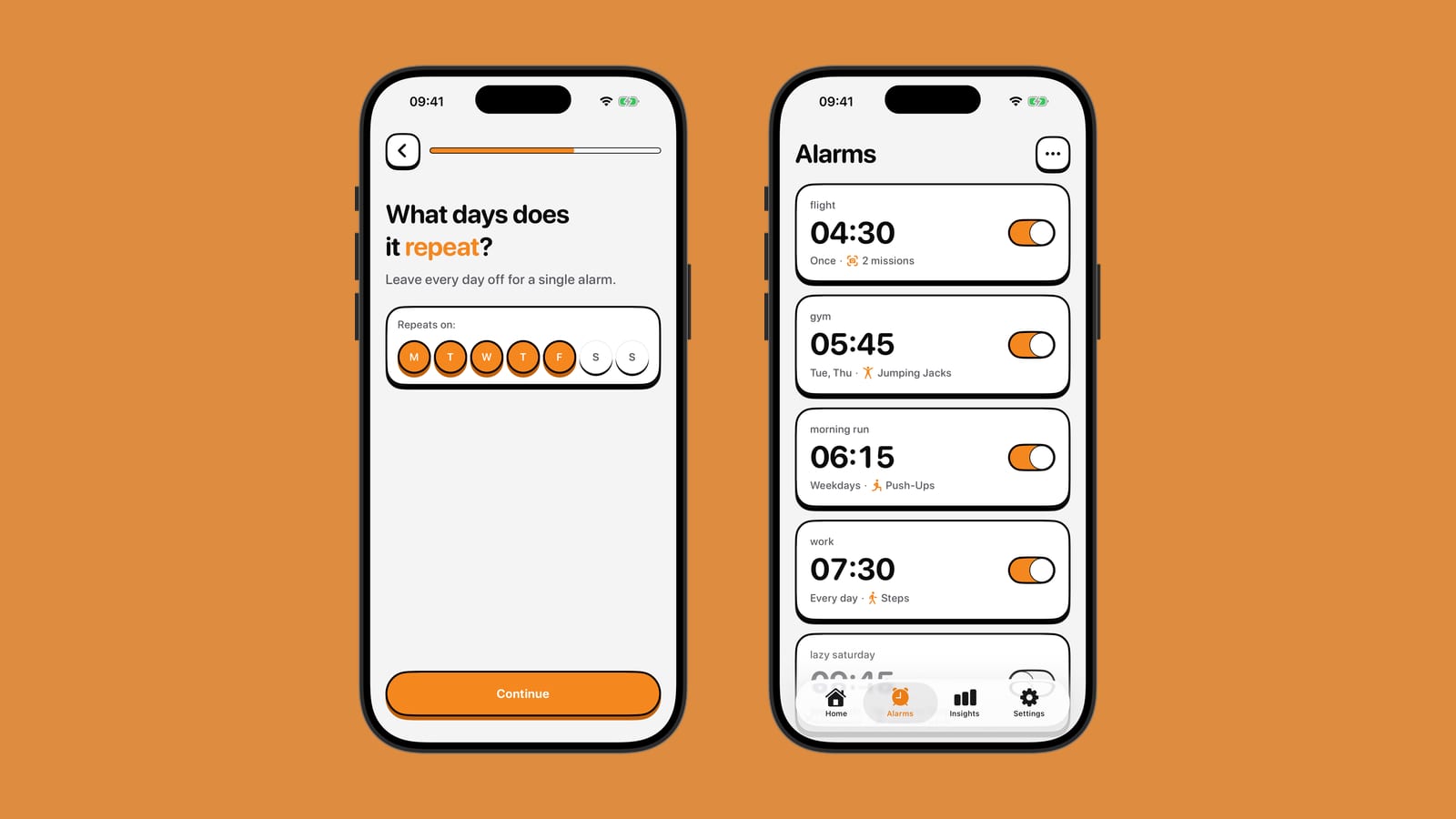
Image credits: the cover uses NoNap app screens, which are our own. The odds-ratio chart was made for this post from the figures reported in the two studies above.