Morning blood pressure surge: why it jumps when you wake
What the morning blood pressure surge is, what may cause it, what stroke studies show so far, and when to ask a doctor to check your pressure.
Visana Studios
4 min read
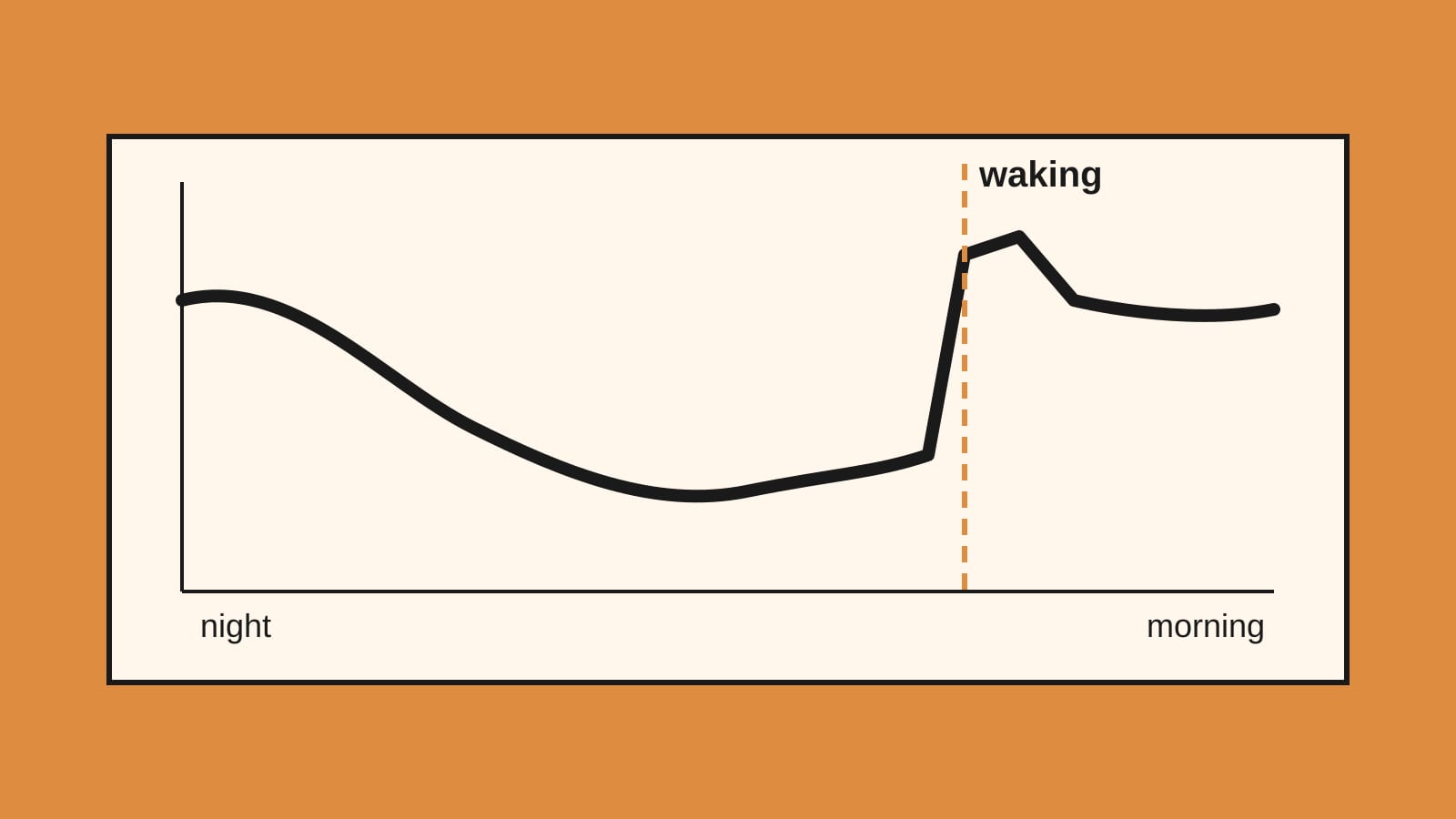
Blood pressure is not flat across the day. It falls during sleep, then climbs again around the time you wake. Researchers call that climb the morning surge, and some of them think it deserves attention because a few studies link it to stroke. The evidence is mixed. The answer depends a lot on how the surge is measured.
How the morning surge is measured
There is no single agreed definition. Sheppard and colleagues found seven different ways of defining the surge across the studies they reviewed. The most common one compares the readings taken after waking with the lowest pressure recorded overnight. Under that method, the morning value is the average of four readings taken over the two hours after you get up. Other studies compare the two hours after waking with the two hours before. Some compare a single reading taken at rising with one taken half an hour earlier.
Changing the method changes the number. A surge that looks large under one definition can look ordinary under another, so the definition matters as much as the figure.
What may drive it
The leading explanation is activity in the sympathetic nervous system. That is the branch of your autonomic nervous system that speeds up the heart and tightens blood vessels when the body prepares to act, and waking is one of those moments. Katakam and Townsend, writing in the Journal of Clinical Hypertension in 2007, said that "excessive sympathetic activation is currently the most likely mechanism." They also pointed to morning changes in blood clotting, which they described as morning hypercoagulability and hypofibrinolysis. In their account, those changes could help clots form inside blood vessels.
Some of the evidence comes from a small experiment. Johnson and colleagues measured how strongly the nerves that adjust blood vessel tone respond to pressure changes, in 14 healthy volunteers aged 19 to 27. Volunteers with weaker nerve responses had a larger morning rise in mean arterial and diastolic pressure. A separate measure of heart-related reflexes showed no such link. The group was small and young. The result supports the nervous system idea without proving it.
Timing matters too. Katakam and Townsend cite a meta-analysis reporting that strokes, like heart attacks, happen more often between 6 a.m. and noon than during the rest of the day. That pattern fits the idea of a morning surge, but it does not show that the surge causes those events.
What the larger studies show
The biggest review so far is Sheppard and colleagues' 2015 systematic review in the American Journal of Hypertension. It included 17 prospective studies with 33,154 patients. Using predefined cut-offs, the pooled analysis found no clear link between the surge and all cardiovascular events, with a hazard ratio of 0.94 (95% CI 0.39 to 2.28). The stroke result was 1.26 (95% CI 0.92 to 1.71). That range includes 1, the value of no effect, so no clear association emerged.
When the surge was treated as a continuous number, the picture shifted. Each 10 mm Hg increase in the prewaking surge was associated with stroke, with a hazard ratio of 1.11 (95% CI 1.03 to 1.20). Only three studies analysed the data that way, one was a conference abstract, and two came from Japanese cohorts. The authors asked for individual patient data analyses before anyone draws firm conclusions.
The fair summary is that the surge may be linked to stroke, and that link is not settled. The research does not yet say what a single morning reading means for you.
What to do with this
The NHS says high blood pressure usually has no symptoms, so you may not realise you have it. The only way to find out is to get it measured. Pharmacies and GP surgeries can check it, and the NHS advises a check if you are 40 or over and have not had your blood pressure checked for more than five years. A doctor can also help you make sense of readings taken at different times of day. Bring a record of several mornings and evenings if you can, since one number rarely settles the question.
Chest pain, dizziness or shortness of breath are reasons to stop and get medical help straight away, whatever the time of day or the task you were doing.
Where NoNap fits
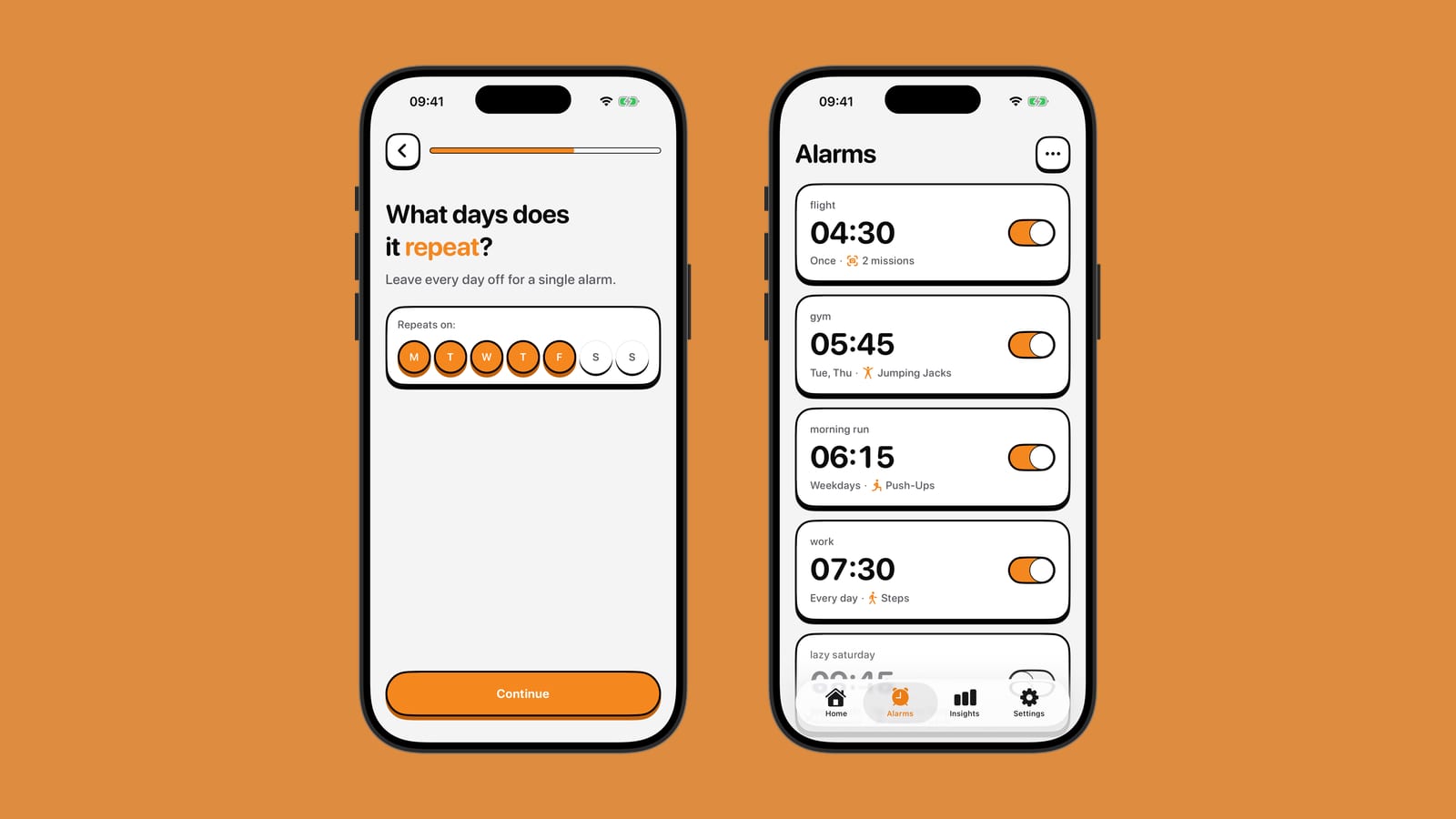
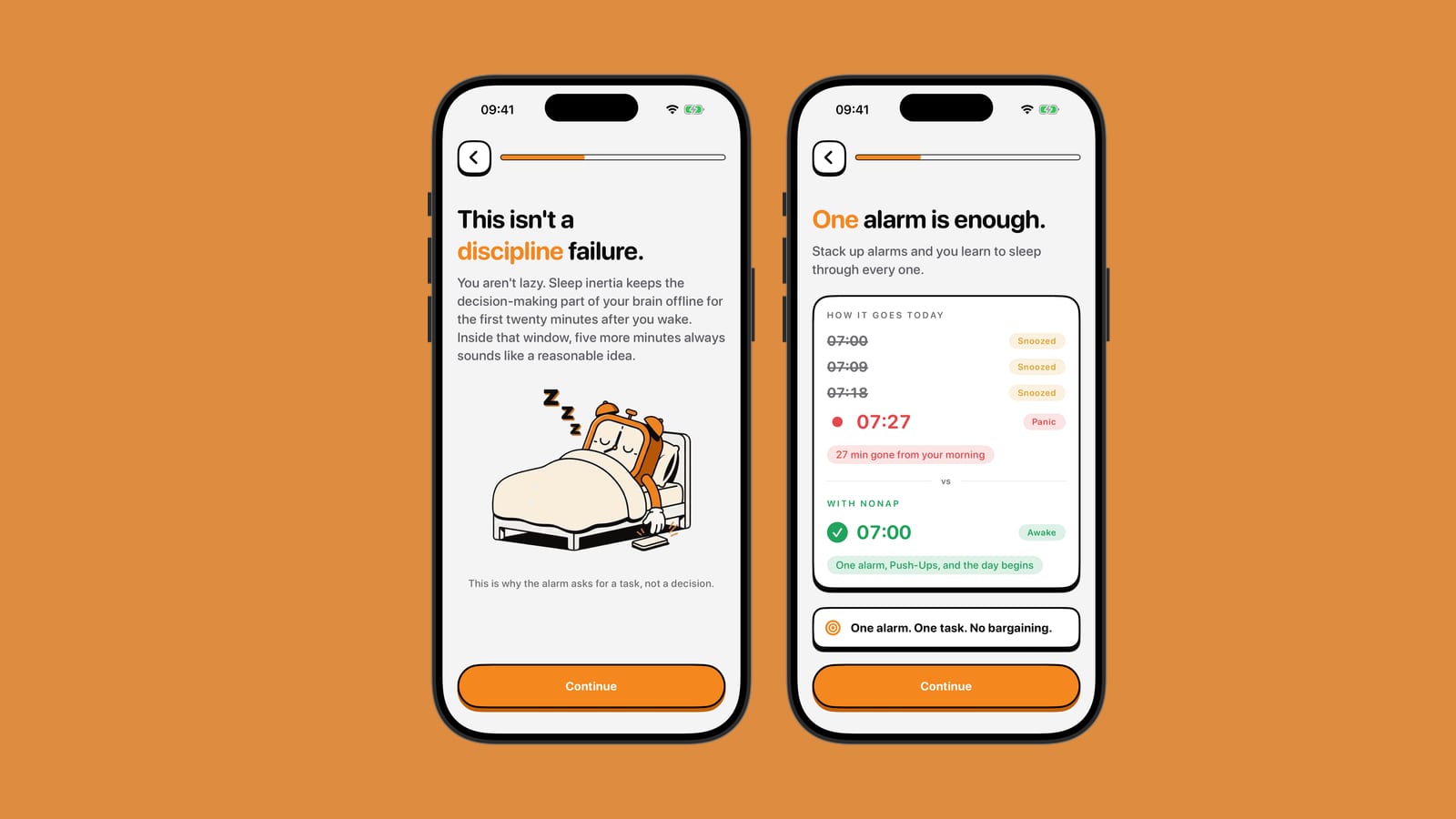
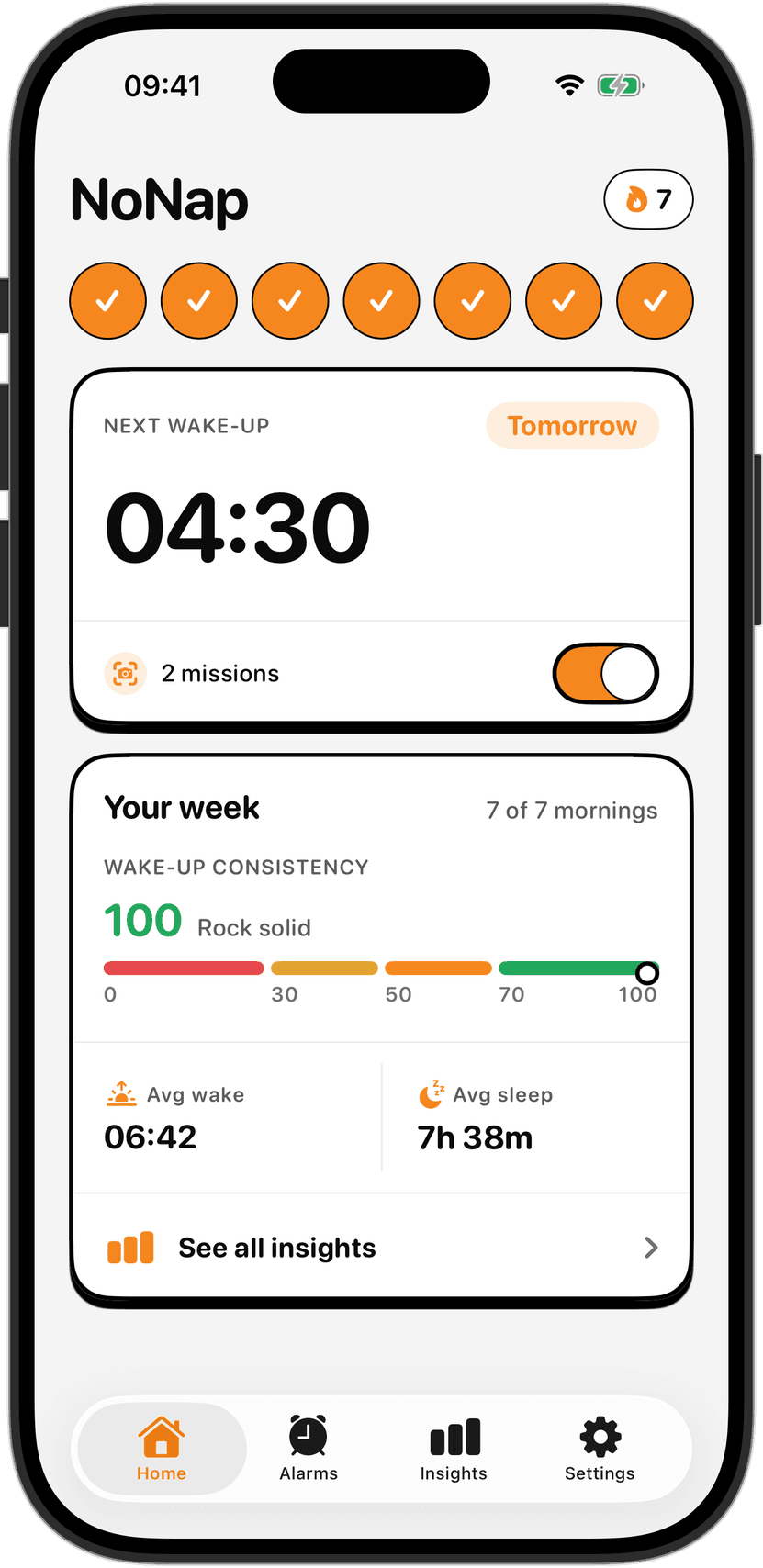
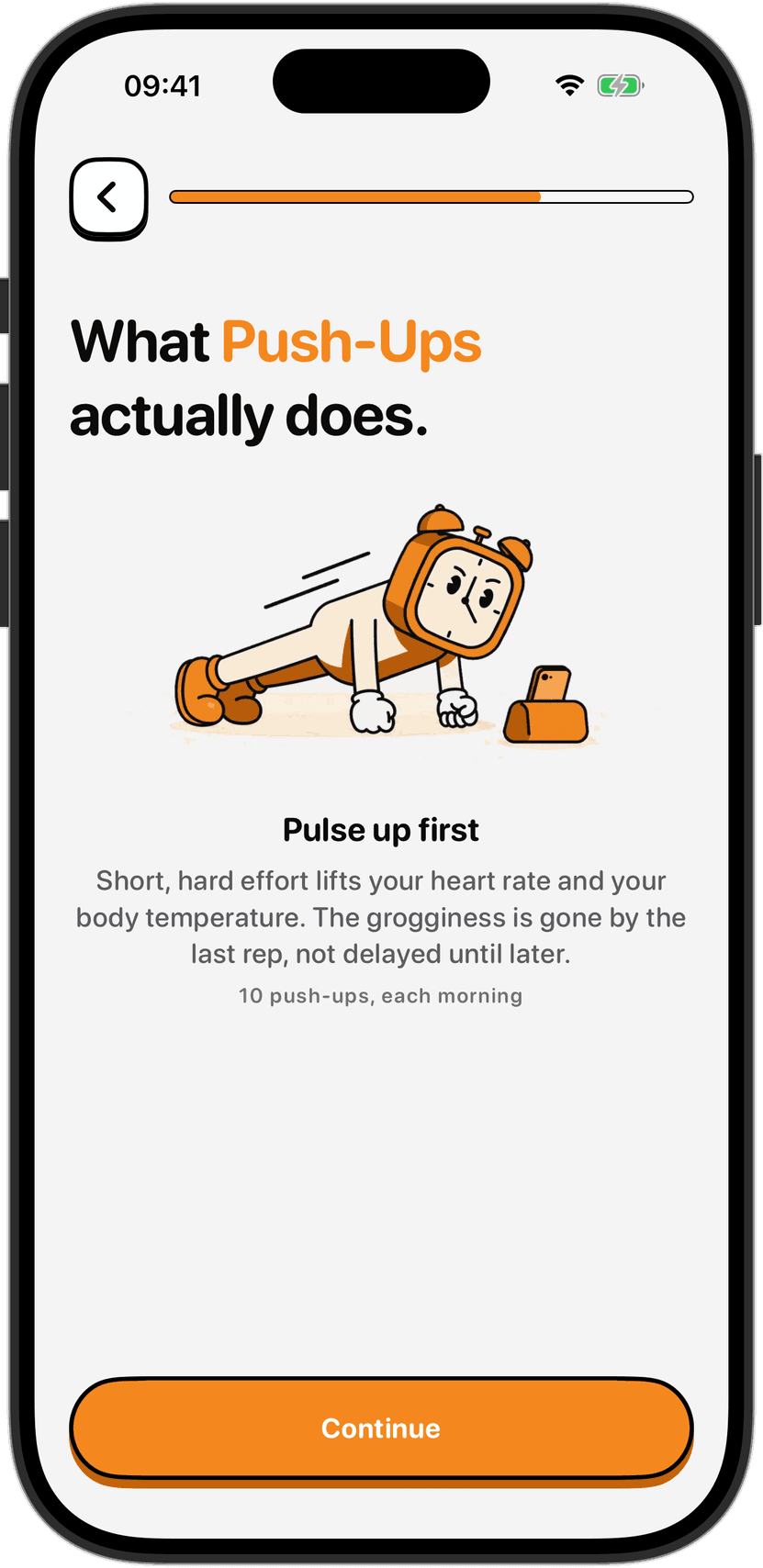
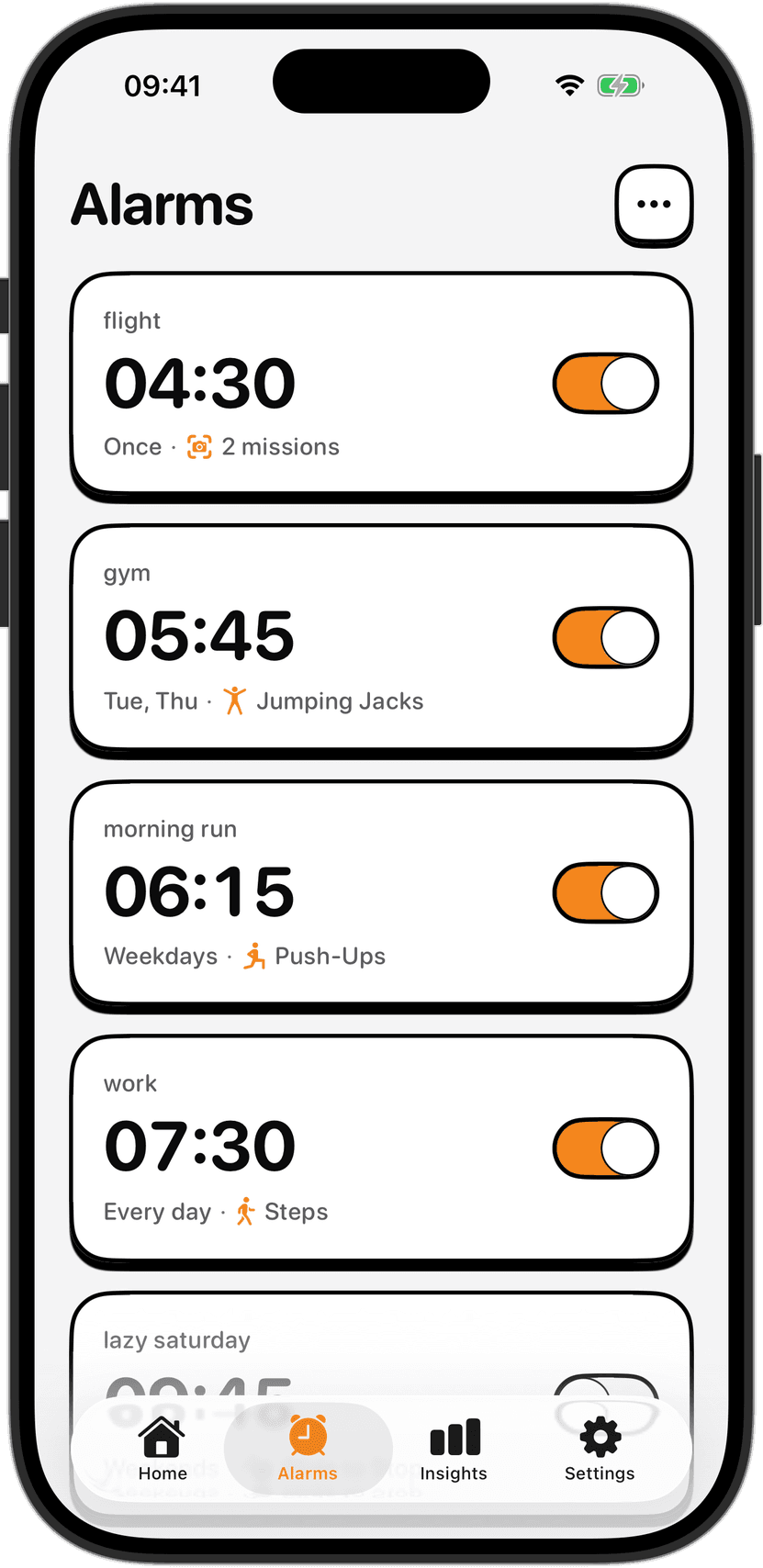
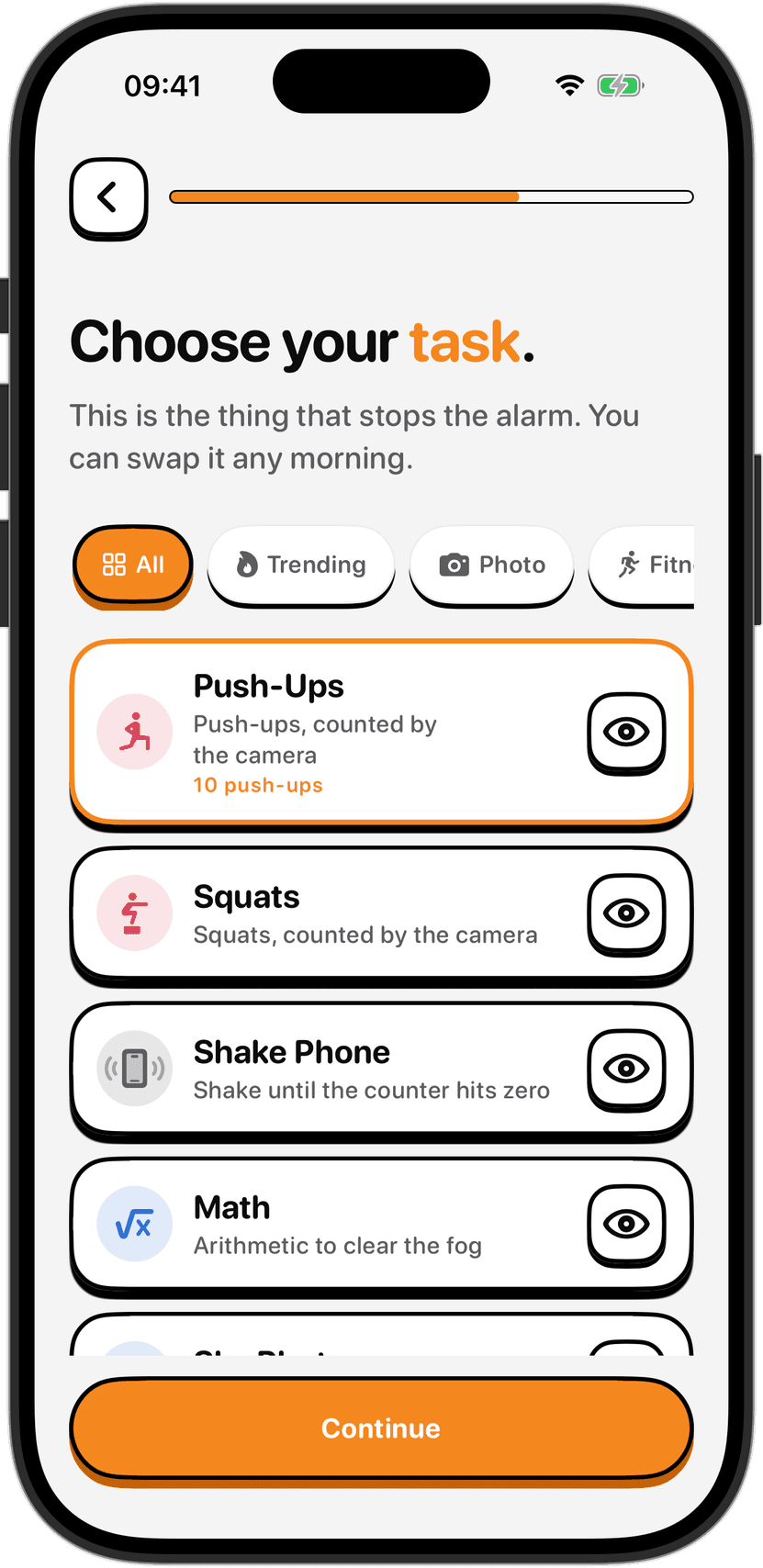
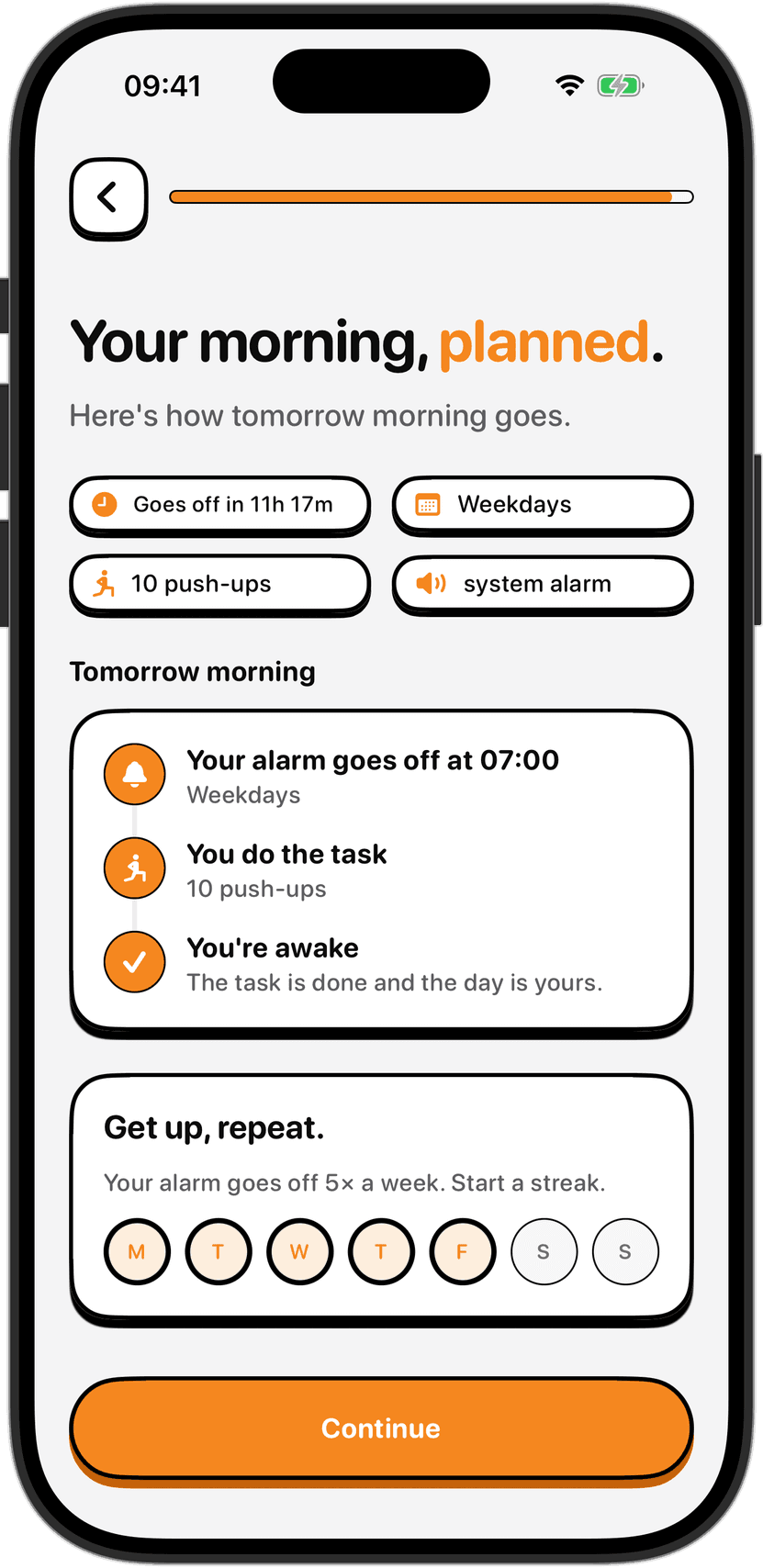
NoNap asks you to move before the alarm stops. Its Push-Ups and Squats tasks raise your heart rate on purpose, which is the point of them. That makes them a poor pick if you have high or low blood pressure, a heart condition, or a joint or balance problem. The app's terms say to talk to a doctor first in those cases. The FAQ says Shake Phone and Math are gentler than Push-Ups or Squats. Photo asks you to get up and point the camera at something, so check the space around you before you start. Whatever you choose, stop if something hurts. Never set a target you could not finish on a bad morning. The wake tasks section lists them all.
Sources
Sheppard JP, Hodgkinson J, Riley R, Martin U, Bayliss S, McManus RJ. Prognostic significance of the morning blood pressure surge in clinical practice: a systematic review. American Journal of Hypertension. 2015;28(1):30–41. Published online 14 October 2014. doi:10.1093/ajh/hpu104
Johnson AW, Hissen SL, Macefield VG, Brown R, Taylor CE. Magnitude of morning surge in blood pressure is associated with sympathetic but not cardiac baroreflex sensitivity. Frontiers in Neuroscience. 2016;10:412. doi:10.3389/fnins.2016.00412
Katakam R, Townsend RR. Morning surges in blood pressure. Journal of Clinical Hypertension. 2007;8(6):450–451. doi:10.1111/j.1524-6175.2006.05175.x
NHS. High blood pressure (hypertension). Last reviewed 19 July 2024. https://www.nhs.uk/conditions/high-blood-pressure-hypertension/
Image credits
The cover was made for this post and uses no external photographs.