Does reading in bed help you sleep?
A week-long trial found reading in bed improved sleep for more people, but tablets act differently and insomnia guidance says keep the bed for sleep.
Visana Studios
6 min read
Reading in bed has a mixed reputation. Some people use it to wind down, and others were told it is the start of a bad habit. The most useful recent evidence is more specific than either view. A large online trial found that reading a book in bed improved sleep quality for more people than not reading did. The gain was modest, and the kind of light you read by seems to matter a great deal.
What the reading trial found
The study is the People's Trial, published in the journal Trials in 2021 by Elaine Finucane and colleagues. Researchers randomised 991 people to read a book in bed before sleep or to carry on without reading in bed. Each person rated their sleep over seven nights. Random assignment is the part that makes this a fair comparison. Without it, people who already sleep well might simply be the ones who keep a book by the bed.
Sleep improved for 42% of the reading group, compared with 28% of the control group. That is a difference of 14 percentage points, and the paper gives a plausible range of 8 to 22 points. Sleep got worse for 10% of the readers and 16% of the control group.
The limits are real. Everyone reported their own sleep, and nobody could be blinded to whether they were reading. More people dropped out of the reading group, 25.6% against 18.2%, and the authors did not record why. Daytime sleepiness was slightly higher among readers, by roughly half a point to a point on a 10-point scale, which the authors describe as small. Most participants were women, about 79%, and the study ran for one week. It tells us what happens over a few nights, not over years.
Why a lit screen is a different case
A printed page and a tablet are not the same thing in bed. In a 2015 study published in PNAS, Anne-Marie Chang and colleagues had young adults read for four hours before bed, on several evenings, either from a paper book in dim light or from an iPad. The study ran in a tightly controlled lab routine. The description here comes from an accompanying commentary by Russell Van Gelder, which summarises the results. Readers of the tablet had a melatonin rhythm that shifted substantially later. They took nearly 10 minutes longer to fall asleep, had less REM sleep, and felt less alert the next morning.
The commentary raises two cautions. Four hours of reading is longer than most people manage. And the mechanism is still unclear, because nobody knows whether the effect runs through the pathway that responds to blue light or through the rod and cone system. The iPad's backlight peaked around 452 nanometres, close to the peak sensitivity of the melanopsin receptor, which sits near 480 nanometres.
These two lines of evidence measure different things. The trial asked whether people felt their sleep was better. The lab study measured when the body clock moved and how sleep was structured. They fit together without contradicting each other. A dim printed page sounds like a low-risk habit. A bright, blue-rich screen sounds like the thing to avoid. The screens and blue light post goes into the wider evidence on devices.
What the insomnia guidance says about the bed
Clinical guidance takes a stricter line. A 2021 systematic review from the American Academy of Sleep Medicine, by John Edinger and colleagues, covers behavioural treatments for chronic insomnia. It lists the instructions for stimulus control therapy. Go to bed only when you are sleepy. Get out of bed when you cannot sleep. Use the bed and bedroom only for sleep and sex, not for activities such as reading or watching television. Wake at the same time each morning, and avoid daytime naps.
The reasoning is conditioning. If the bed becomes the place you lie awake, it starts to signal wakefulness, and the rules try to rebuild the link between bed and sleep. The reading trial and the clinical rules are not in direct conflict, though. The trial measured how an everyday habit felt over one week. The clinical rules are meant for people whose sleep is broken on most nights, and for them the bed's job is sleep and nothing else.
If you have trouble sleeping on most nights for months, or you wake unrefreshed after what should have been a full night, see a doctor. Insomnia and sleep apnoea both need a proper assessment, and a reading habit will not treat either one.
A practical version for tonight
If you enjoy reading before sleep, the evidence supports a few simple choices. Use a printed book where you can. If you read on a device, lower its brightness and keep the room dim, since the tablet study points to bright, blue-rich light as the concern. Stop when your eyes start to close, rather than pushing on to the end of the chapter.
If you find yourself lying awake and watching the clock, follow the stimulus control advice. Get up, move somewhere else in dim light, and do something calm and undemanding. Return to bed when you feel sleepy. Reading can be part of that quiet time, as long as the bed itself is for sleeping.
Where the morning fits in
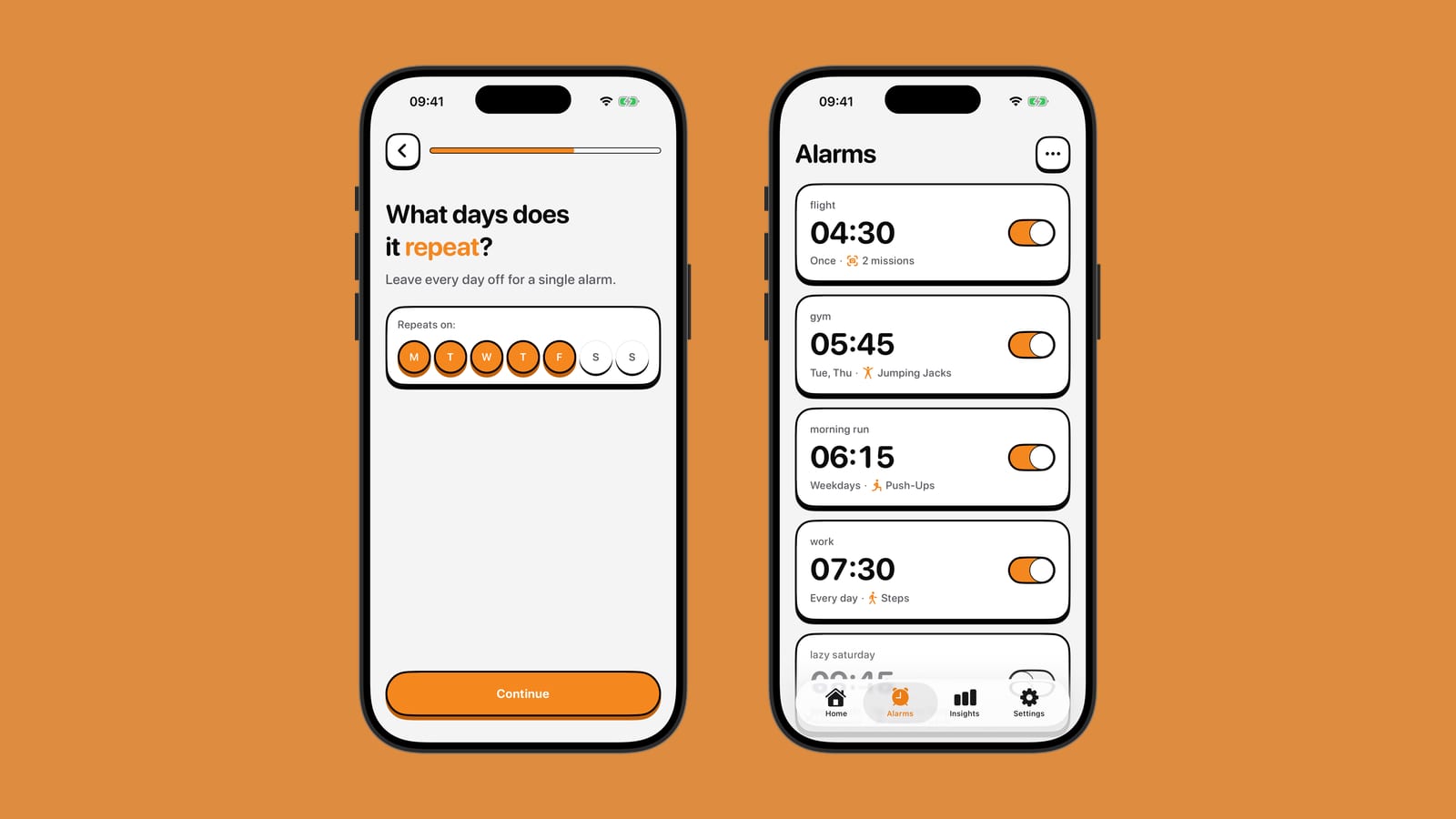
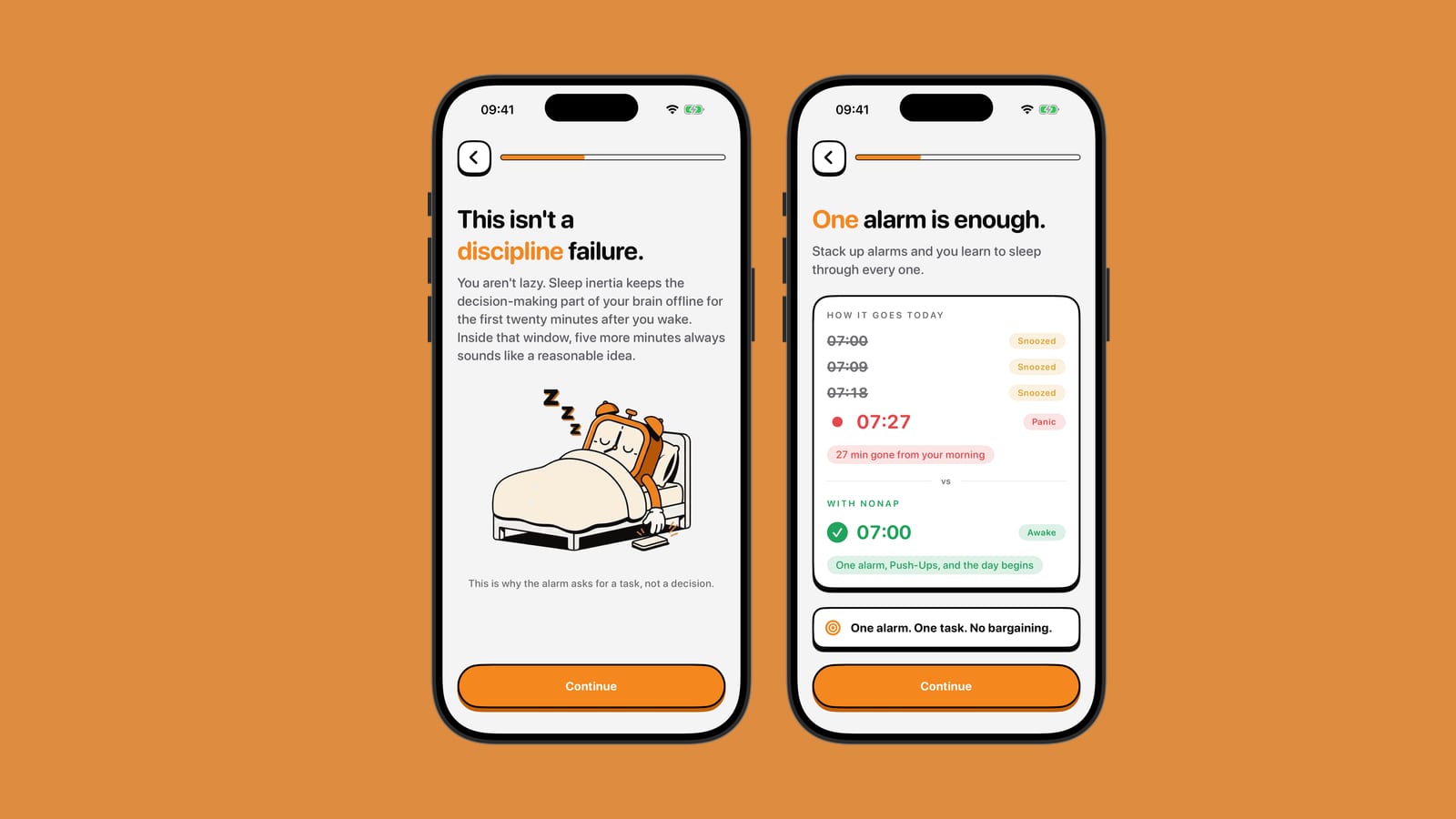
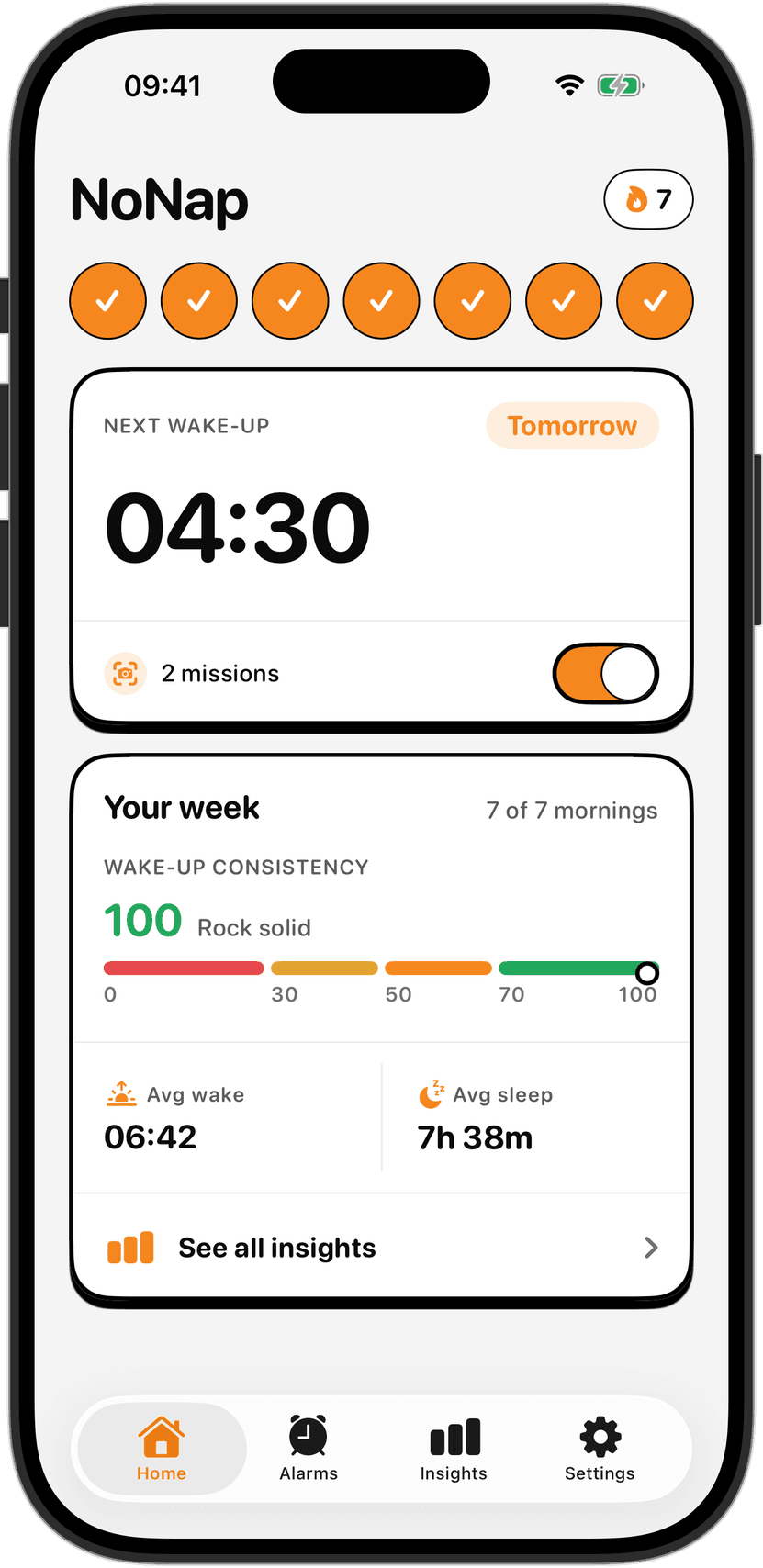
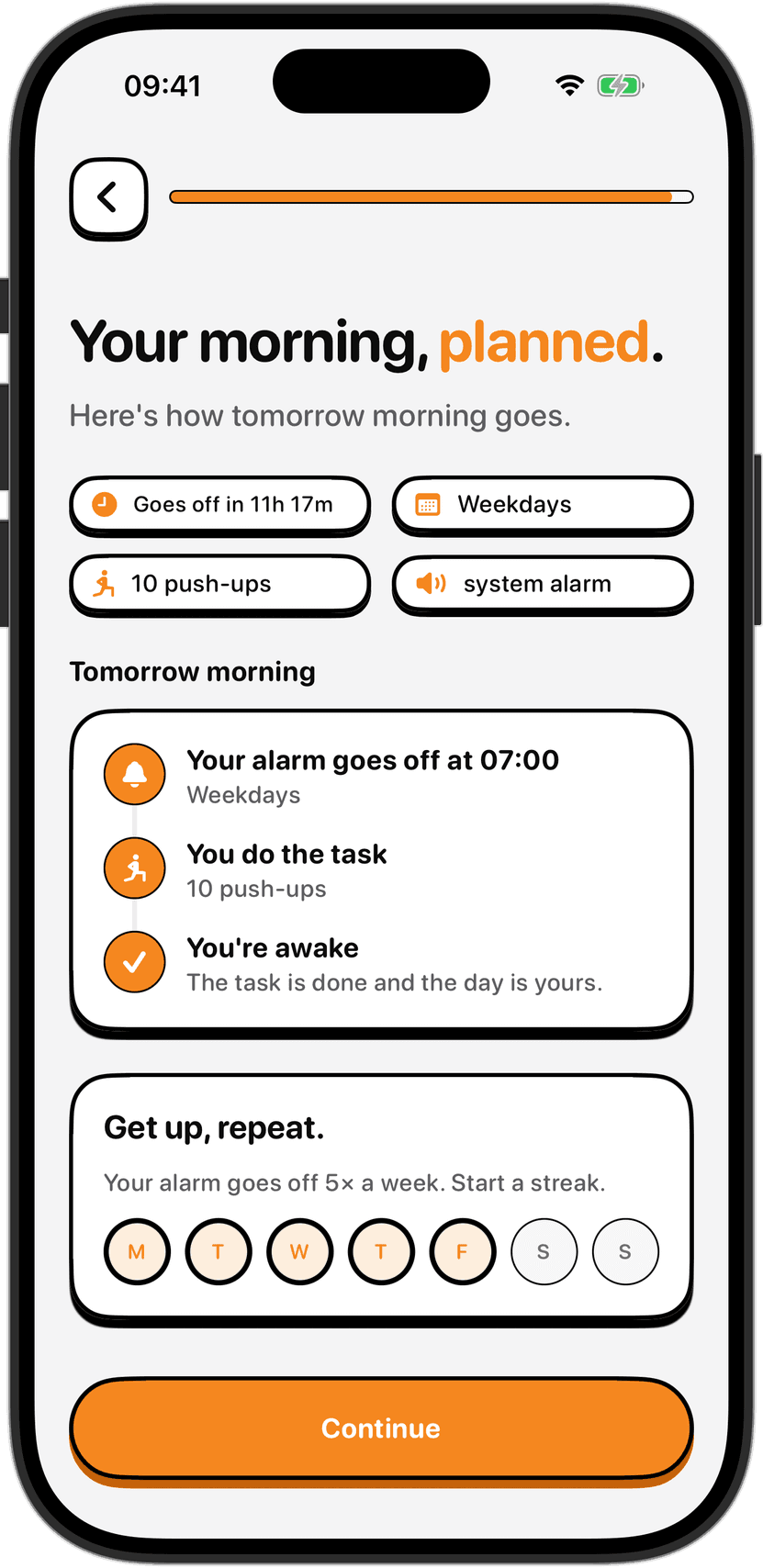
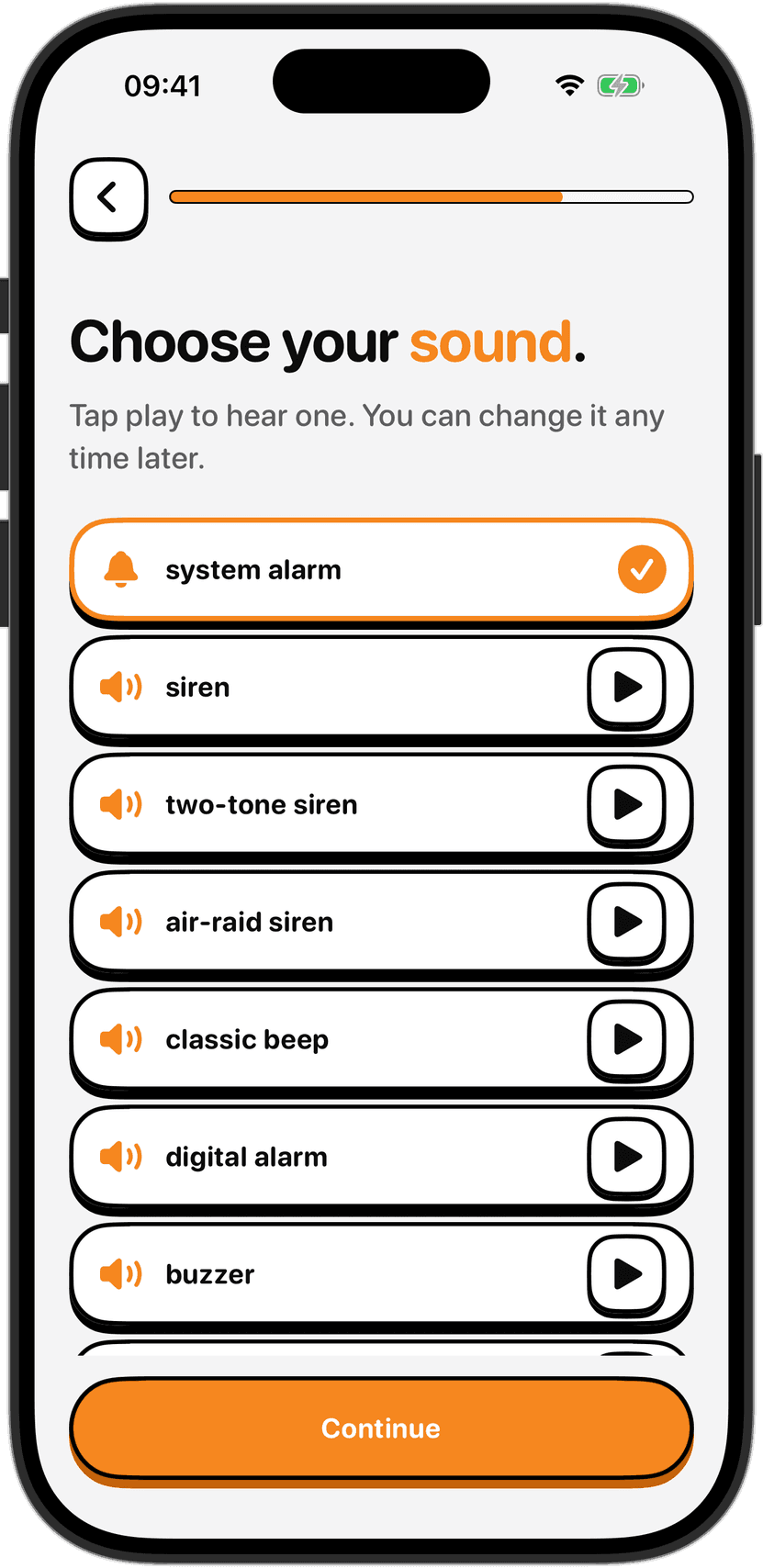
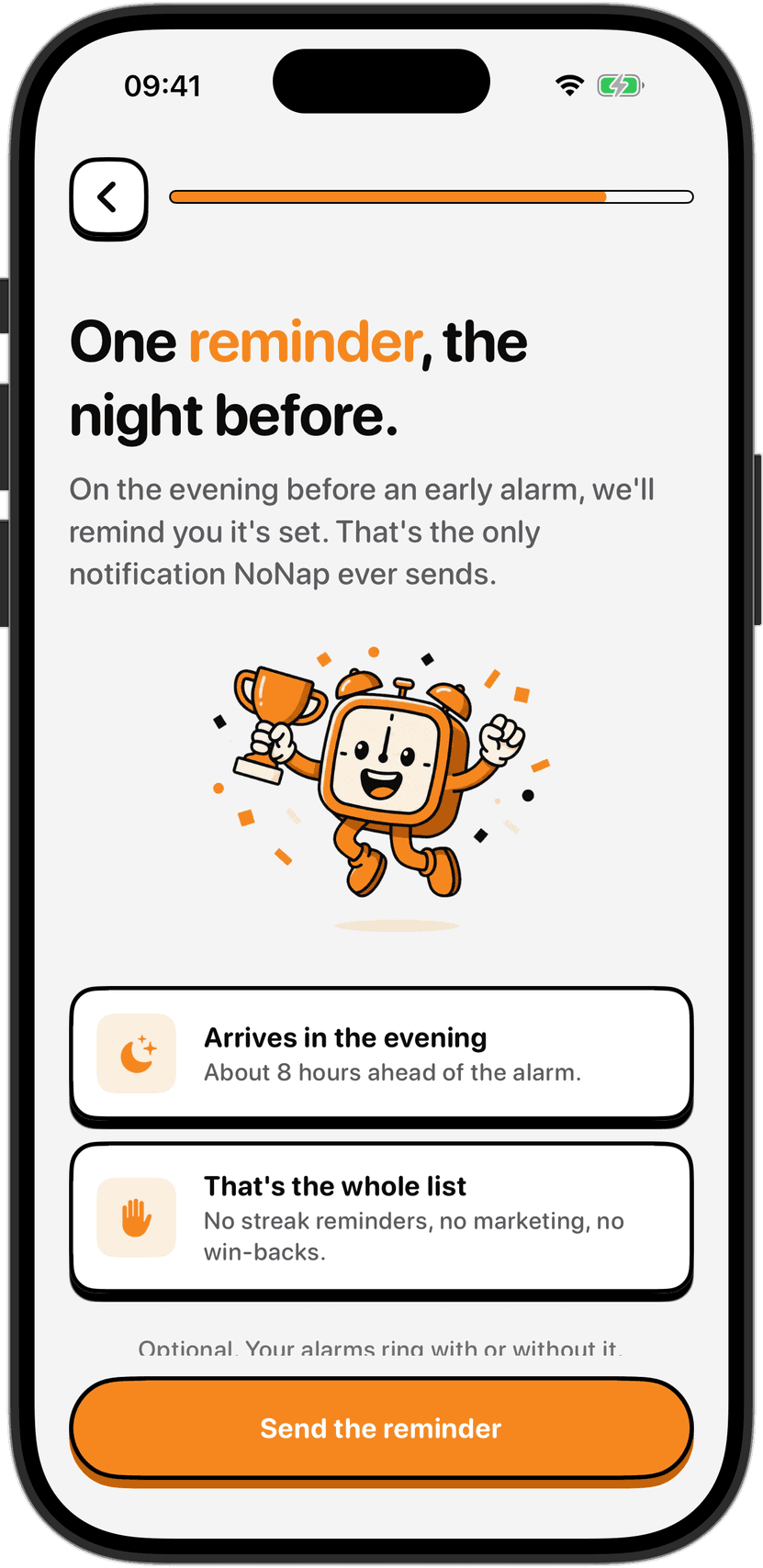
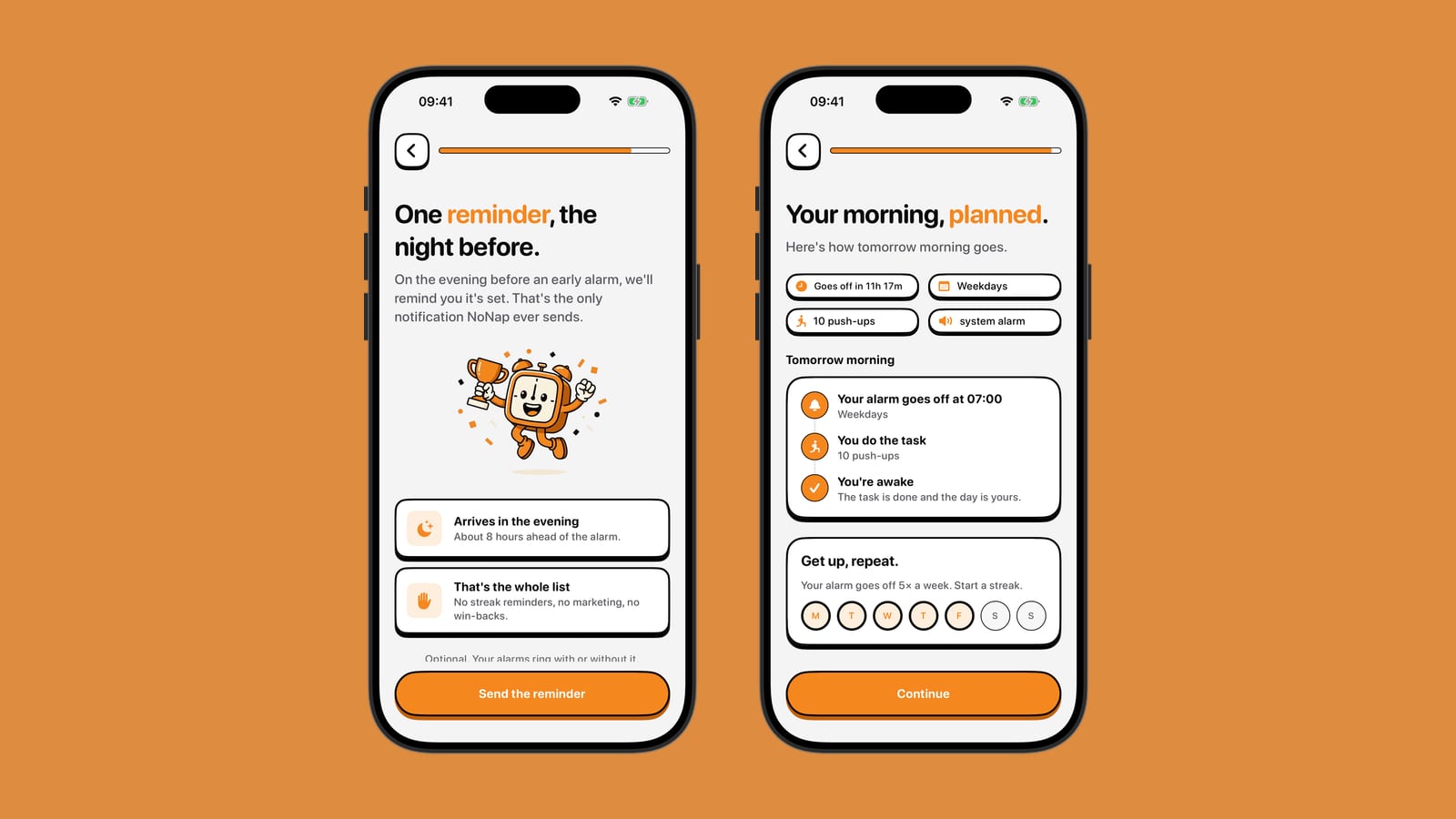
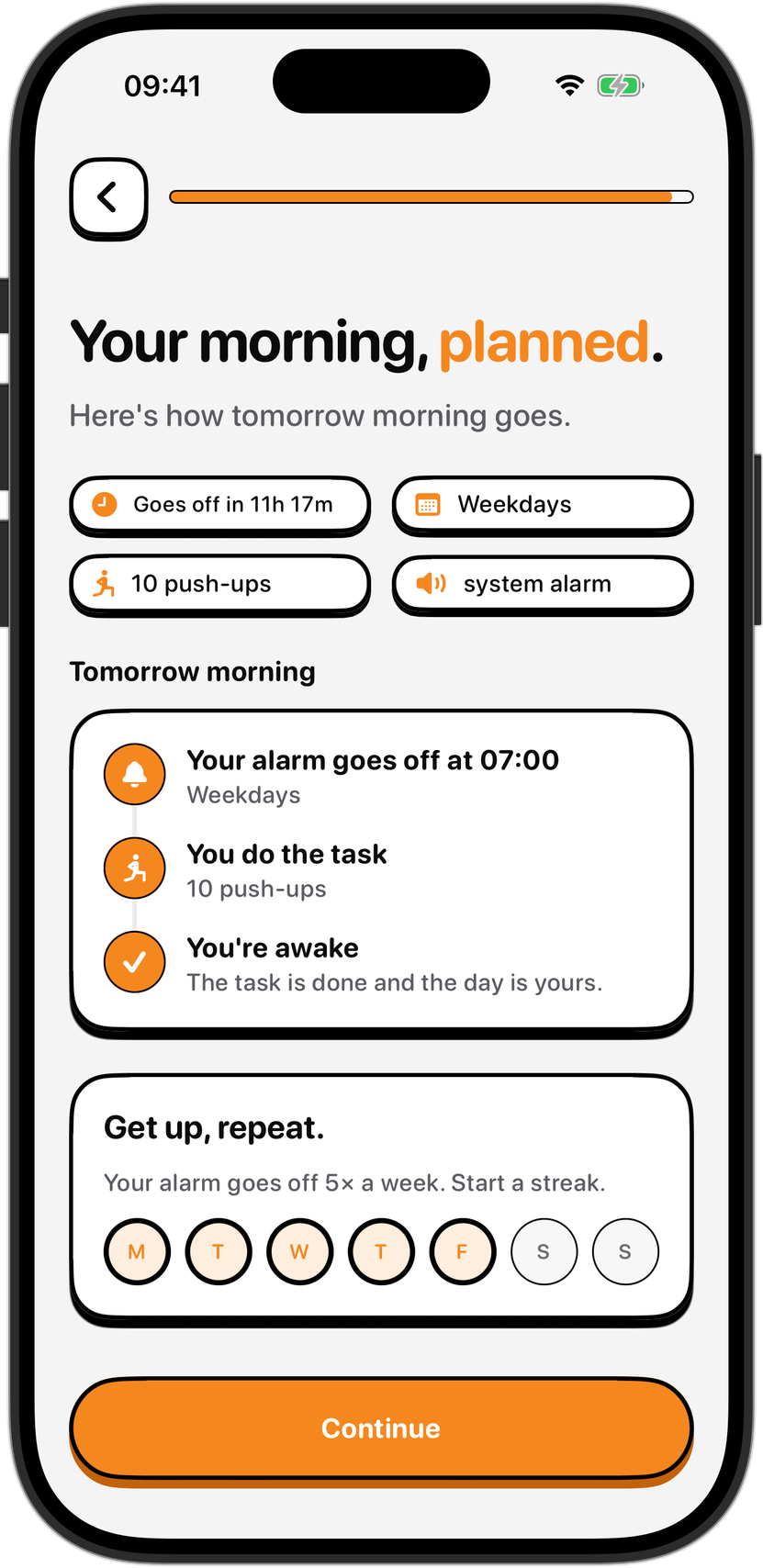
NoNap does not track whether you read, how long you sleep, or how well you rested. It rings at the time you set, and you finish a wake task you chose in advance to switch it off. The part it can help with is the decision made before bed. The night-before reminder is optional, arrives about eight hours before the alarm, and the screen lists no streak reminders and no marketing. The morning plan screen then puts the alarm time, the task and the system alarm in one place. If you want to see what the morning will look like before you turn the light off, that is the moment to check. The bedtime and wake time post explains why that choice matters.
Sources
Finucane E, O'Brien A, Treweek S, and colleagues. Does reading a book in bed make a difference to sleep in comparison to not reading a book in bed? The People's Trial, an online, pragmatic, randomised trial. Trials. 2021. doi:10.1186/s13063-021-05831-3. https://pmc.ncbi.nlm.nih.gov/articles/PMC8740874/ (source of the trial design, the 991 randomised participants, the 42% and 28% improvement figures, the 14 point difference and its 8 to 22 point range, the dropout figures, the sleepiness difference, and the one-week duration).
Chang AM, Aeschbach D, Duffy JF, Czeisler CA. Evening use of light-emitting eReaders negatively affects sleep, circadian timing, and next-morning alertness. PNAS. 2015;112(4):1232–1237. doi:10.1073/pnas.1418490112. Described here through the accompanying commentary, Van Gelder RN. A tablet that shifts the clock. PNAS. 2015;112(4):946–947. doi:10.1073/pnas.1423498112. https://pmc.ncbi.nlm.nih.gov/articles/PMC4313797/ (source of the four-hour reading protocol, the later melatonin rhythm, the nearly 10 minute longer sleep onset, reduced REM sleep, reduced next-morning alertness, the iPad backlight and melanopsin peak wavelengths, and the limits the commentary raises).
Edinger JD, Arnedt JT, Bertisch SM, and colleagues. Behavioral and psychological treatments for chronic insomnia disorder in adults: an American Academy of Sleep Medicine systematic review, meta-analysis, and GRADE assessment. Journal of Clinical Sleep Medicine. 2021;17(2):263–298. https://pmc.ncbi.nlm.nih.gov/articles/PMC7853211/ (source of the stimulus control instructions described above).