Smoking and sleep: why nicotine makes your nights lighter
Smokers take longer to fall asleep and get less deep sleep. What sleep lab studies found, why withdrawal may wake you, and what quitting seems to change.
Visana Studios
5 min read
Smokers report worse sleep than non-smokers, and sleep laboratories have measured the difference. The changes are specific, though. Cigarettes lengthen the time it takes to fall asleep, shorten total sleep and lighten the deeper stages. Some of those effects show up during withdrawal, when nicotine has worn off.
What the sleep labs measured
In 2006, Zhang and colleagues analysed polysomnography from 6,400 adults in the Sleep Heart Health Study, a large American cohort. Of them, 779 were current smokers. Compared with people who had never smoked, current smokers took 5.4 minutes longer to fall asleep (95 percent confidence interval 2.9 to 7.9) and slept 14.0 minutes less in total (6.4 to 21.7). They also spent a larger share of the night in stage 1, the lightest stage, and a smaller share in slow-wave sleep, the deepest. Former smokers looked much like people who had never smoked. That detail is encouraging, but the study compared groups at one point in time, so it cannot show how the change unfolds.
The 2012 study by Jaehne and colleagues at the Freiburg University Medical Center was smaller and more tightly controlled. It matched 44 smokers with 44 never-smokers by sex and age, and excluded anyone with alcohol or substance misuse, psychiatric or endocrine disease, or psychotropic medication. The smokers averaged 21.2 cigarettes a day for a median of 13.1 years. Their sleep period was shorter, they took longer to fall asleep, their REM sleep was denser, and they had more sleep apneas and leg movements. Sleep efficiency measured in the lab did not differ between the groups, and neither did the spectral analysis of the EEG. Smokers did rate their own sleep efficiency lower on the Pittsburgh Sleep Quality Index, but the shorter SF-A questionnaire showed no difference. Among smokers, plasma cotinine, a marker of recent nicotine intake, correlated negatively with slow-wave sleep.
A 2021 study from Lausanne used a much larger sample. Of 3,233 adults in the CoLaus-HypnoLaus cohort, 1,489 had a full night of polysomnography, and the average age was 56.6. Smoking status was self-reported. Current smokers had lower delta power in non-REM sleep, a marker of sleep depth, and higher alpha power, which the authors link to arousal. The drop in delta power tracked how much people smoked. Mean overnight oxygen saturation was also lower in current smokers.
On the objective measures, the studies broadly agree. Smokers' sleep is lighter and more fragmented. They disagree on how smokers feel about it, and most of the samples are small or cross-sectional. None of them proves that smoking causes the problem, though the pattern is consistent.
Why nicotine seems to break up the night
The most direct test of a withdrawal link comes from Jaehne and colleagues' 2015 study in Addiction Biology. Thirty-three smokers spent a night in the lab while still smoking, again 24 to 36 hours after their last cigarette, and again three months after quitting. Compared with the smoking night, the withdrawal night showed a higher arousal index and more time awake. Eleven of the 33 later relapsed. Those who relapsed were more heavily dependent on nicotine, had more withdrawal symptoms, had less REM sleep with a longer delay before it started, and reported more intense sleep problems during withdrawal. The authors suggest that nicotine may affect sleep by acting on the neurotransmitters that regulate it, and that poor sleep during withdrawal could make relapse more likely.
The study has clear limits. It had 33 people, a median age of 29, and a relapse group of only 11, which is too small to pin down anything fine-grained. It also tested a day-long gap without nicotine, longer than the break most people take overnight. Whether an ordinary bedtime gap produces the same disruption is a reasonable question, and this study does not answer it.
Smoking, breathing and the night
One finding deserves attention of its own. The 2012 study recorded more sleep apneas and more leg movements in smokers, and the 2021 study found lower overnight oxygen saturation in current smokers. Sleep apnea means the airway partly or fully collapses during sleep, so breathing pauses and oxygen levels can dip. A list of group averages cannot tell you whether a particular smoker has it.
If you snore loudly, wake gasping, or are sleepy during the day despite a full night in bed, see a doctor and ask about a sleep test. The sleep apnea warning signs post on this site lists what to look for. Nothing in these studies is a diagnosis, and a blog post cannot make one.
What quitting seems to change
The evidence points to the early weeks as the hard part. The 2015 study found the most disturbed sleep during withdrawal, and the people who later relapsed reported the worst sleep during that phase. Former smokers in the 2006 analysis looked much like people who had never smoked, which suggests recovery is possible, though not how quickly it happens.
If you are trying to stop, the NHS offers a free Personal Quit Plan and an NHS Quit Smoking app on its quit smoking pages. A GP or pharmacist can talk through support options, including medicines, and those decisions belong with them rather than with a blog post. If sleep stays poor for weeks after you quit, tell your doctor. Persistent insomnia has causes beyond nicotine, and some of them need checking.
Where NoNap fits
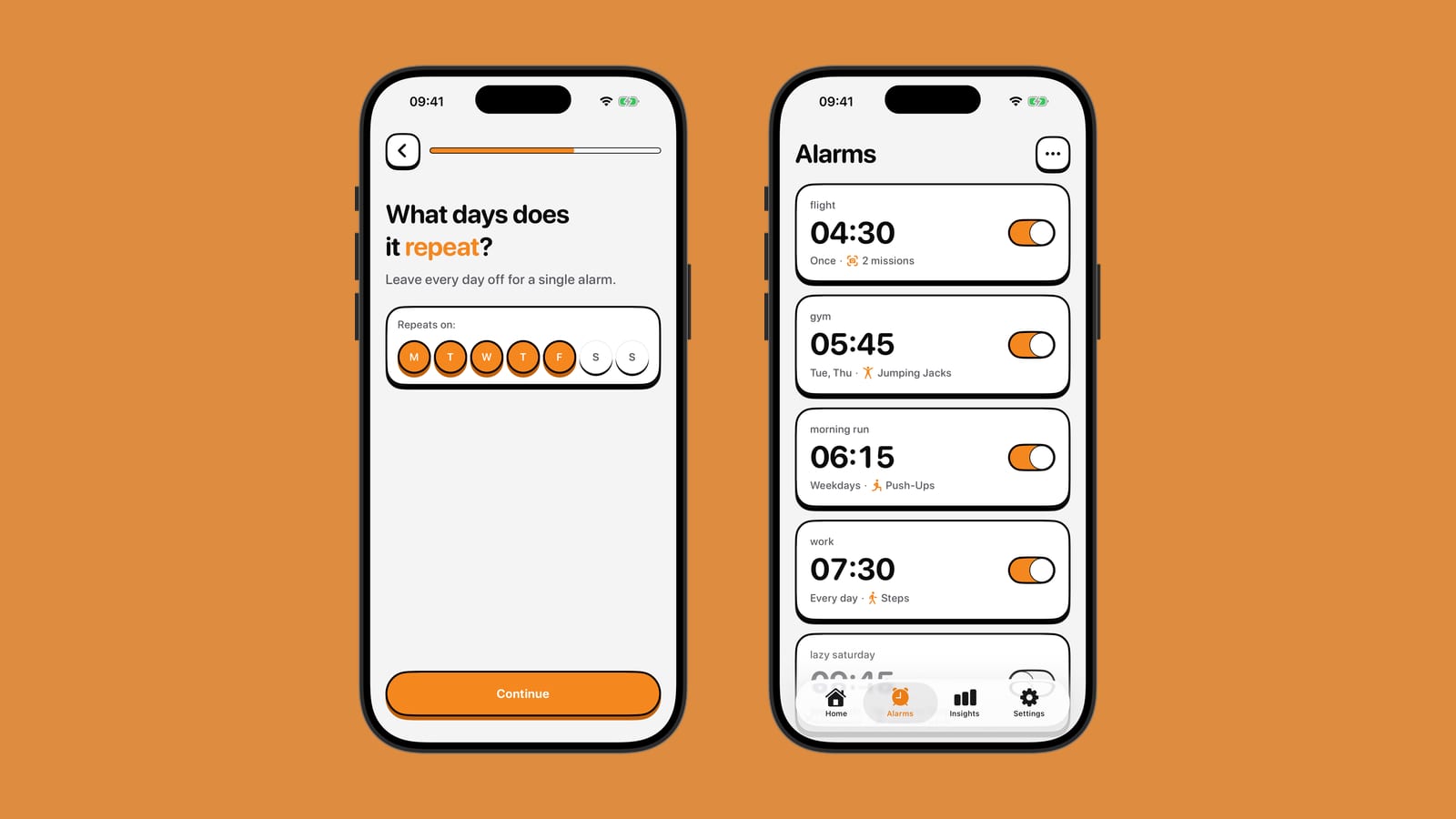
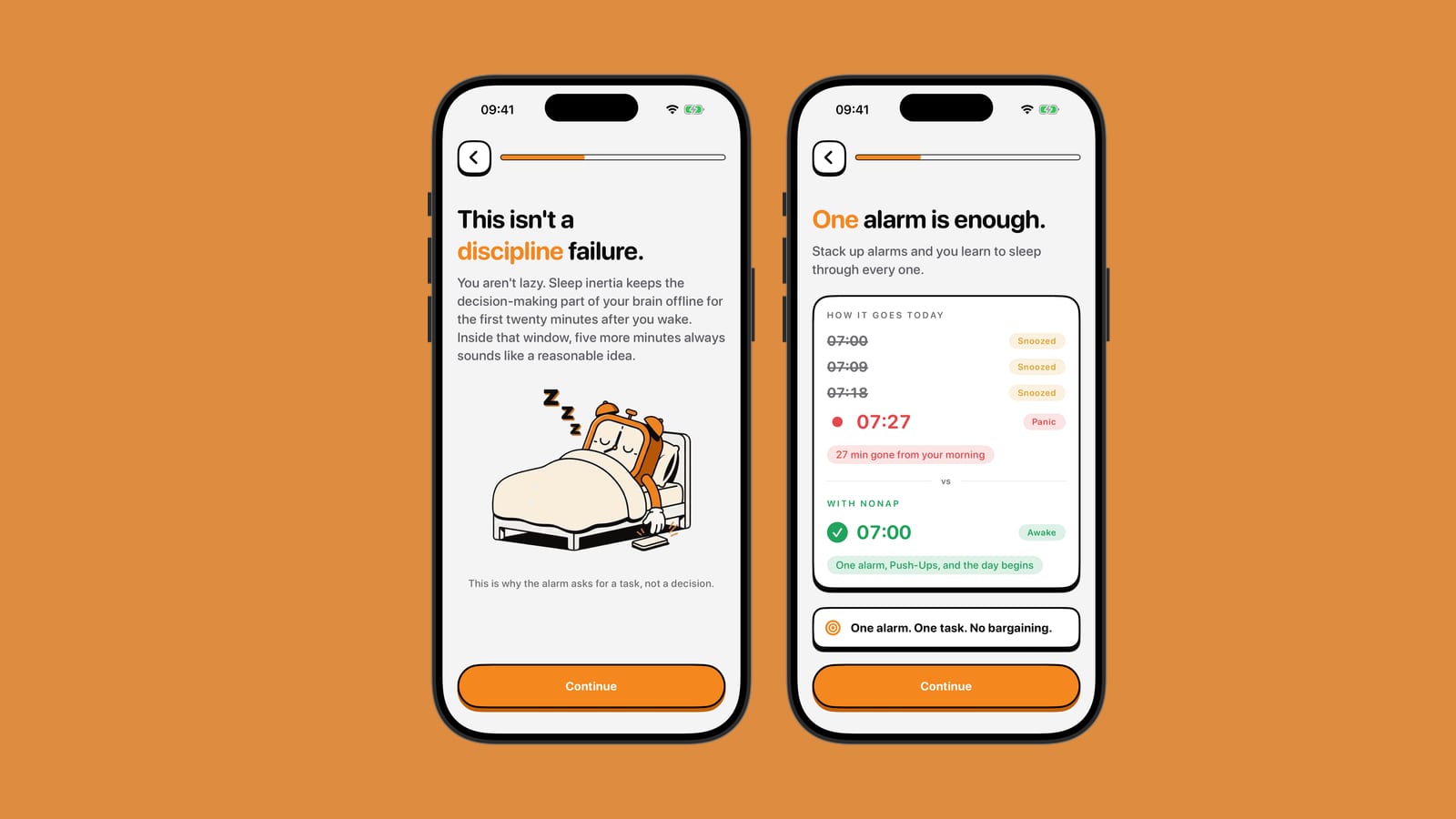
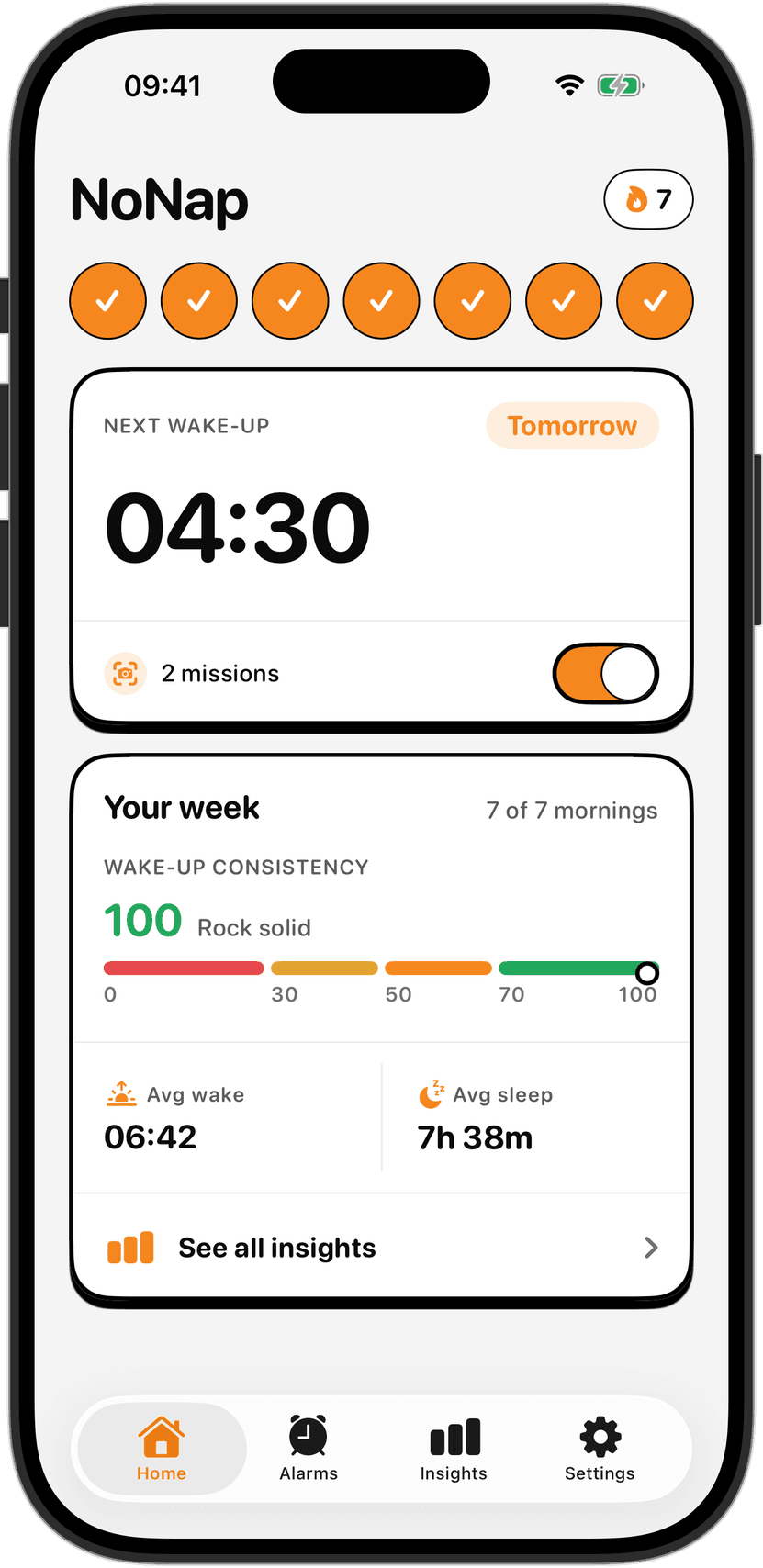
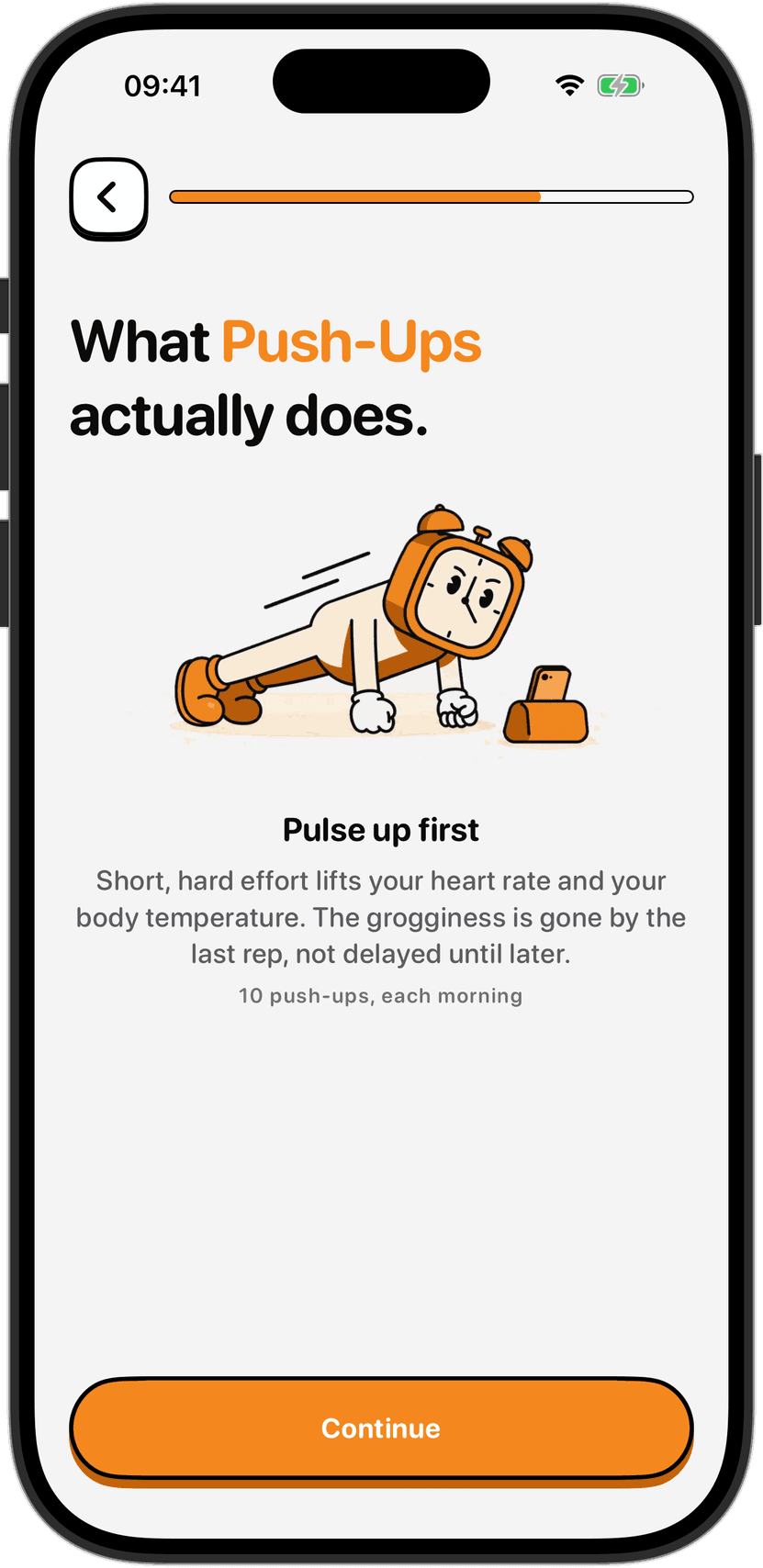
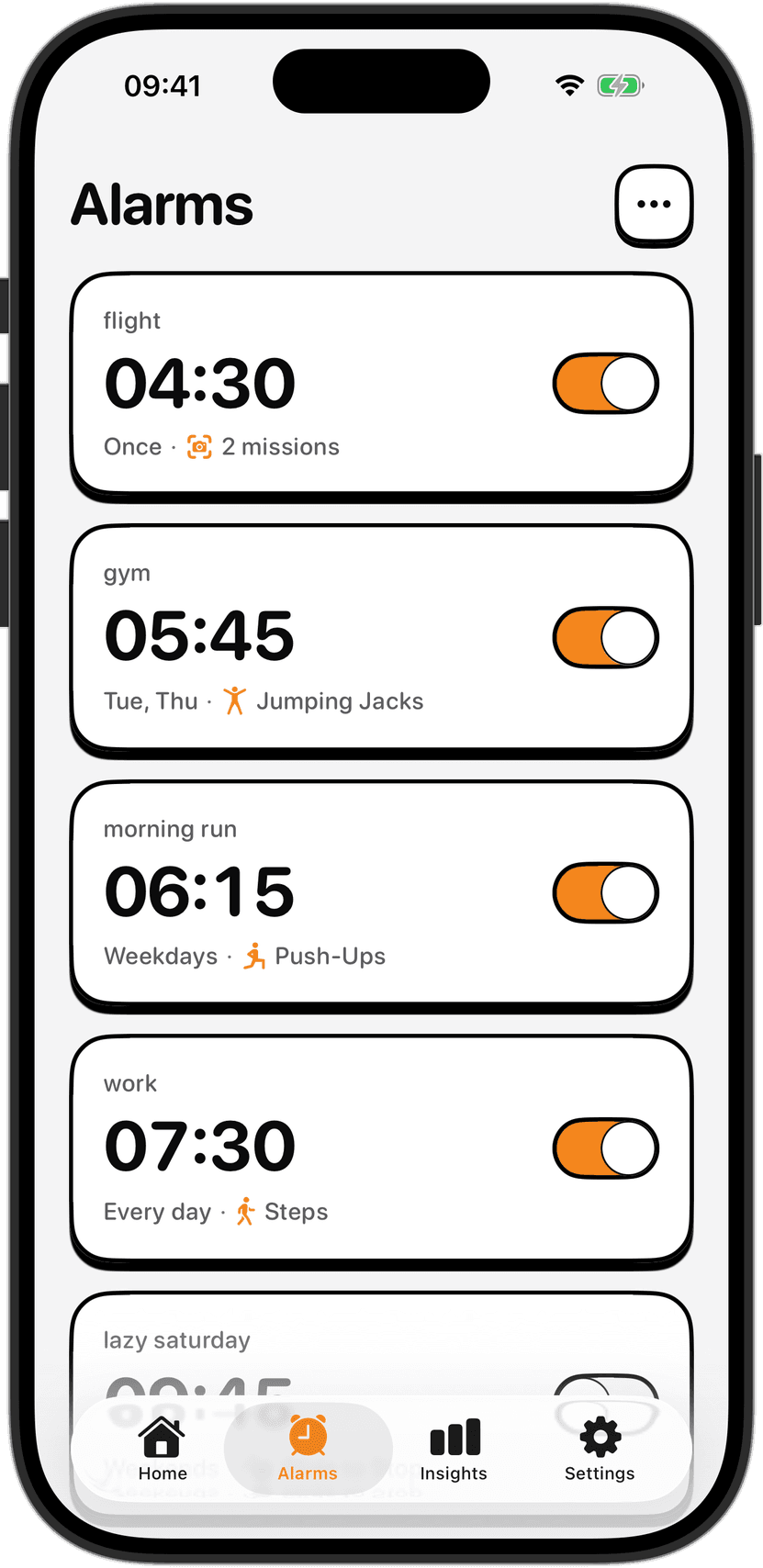
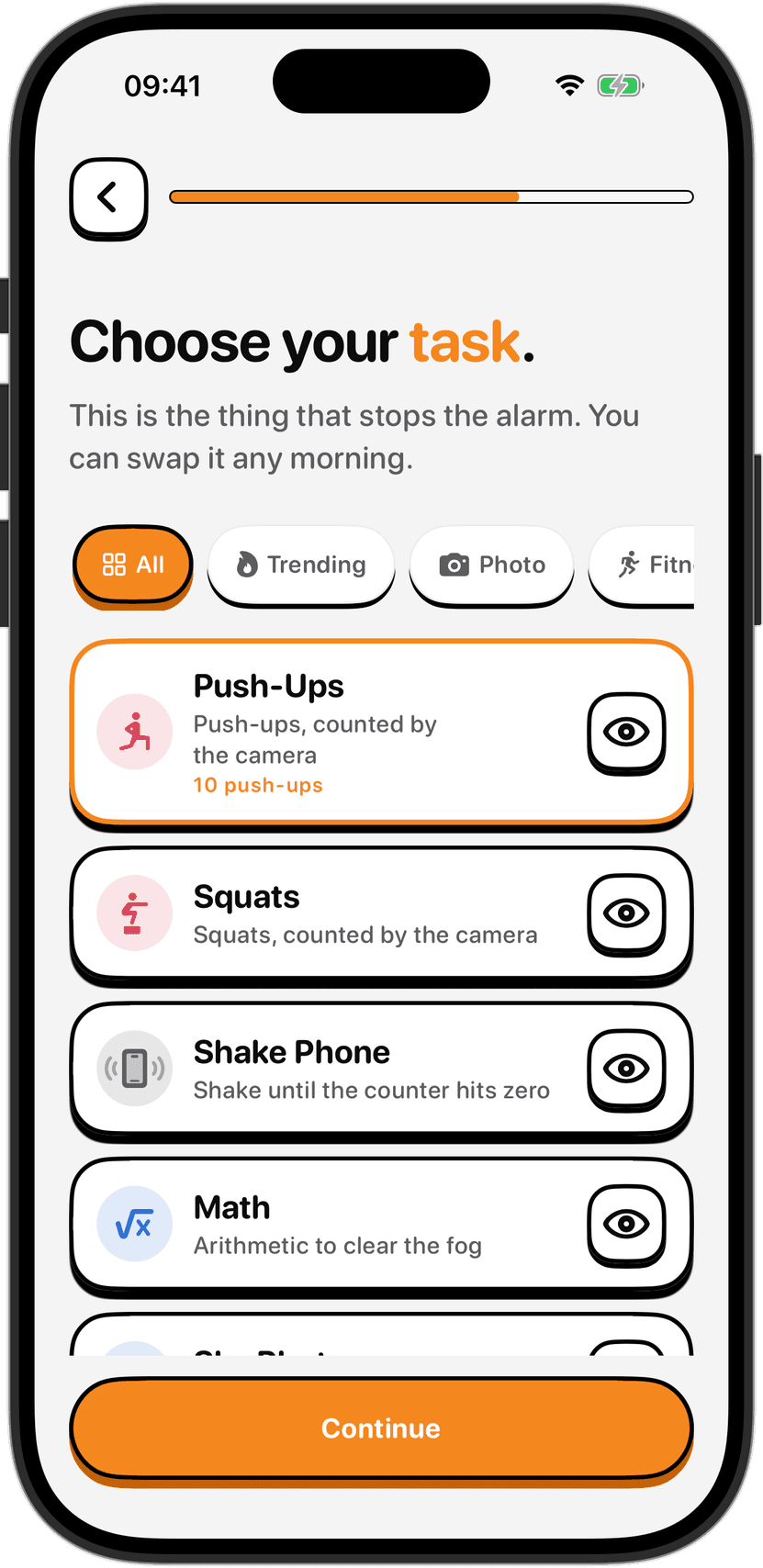
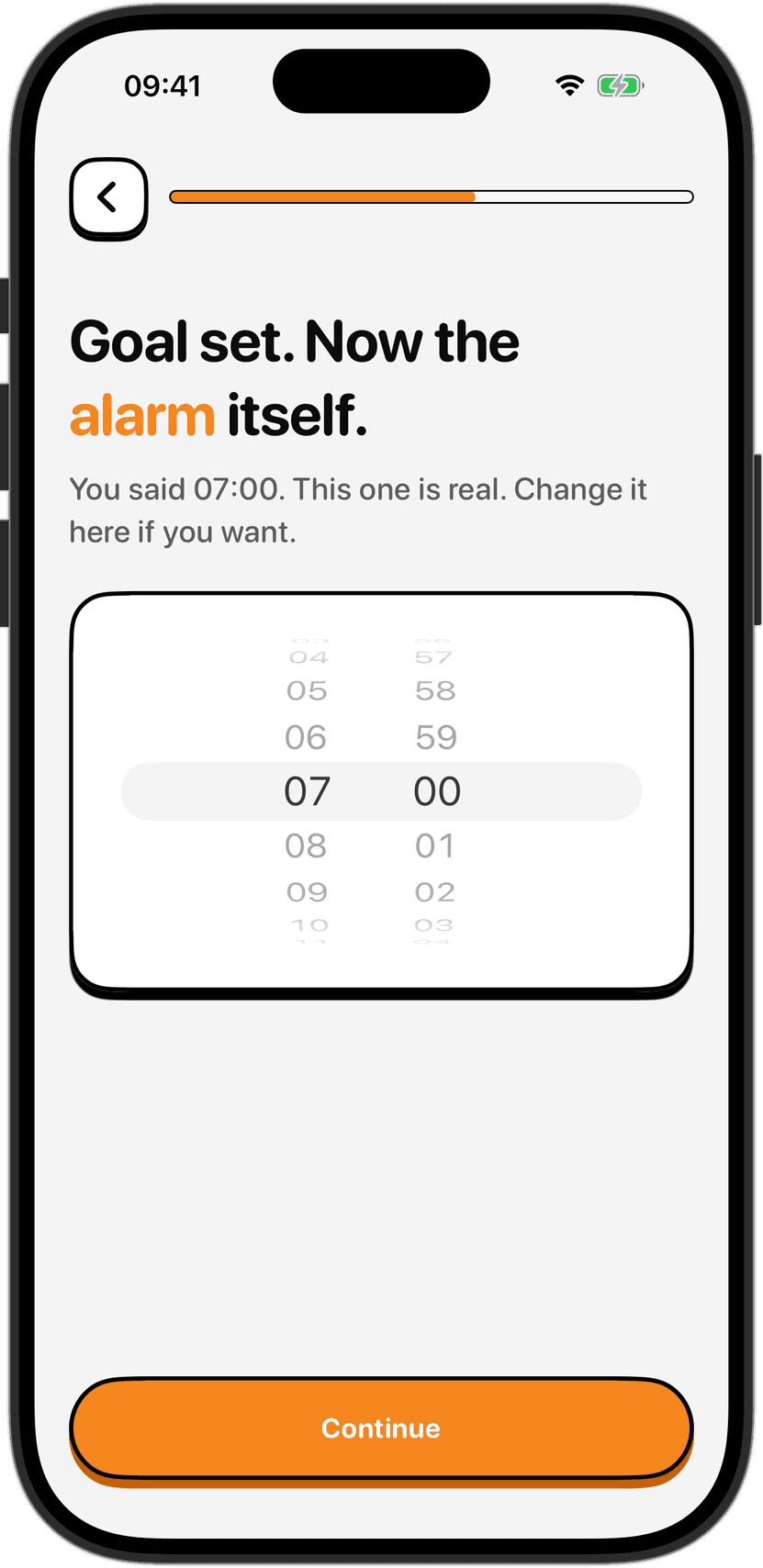
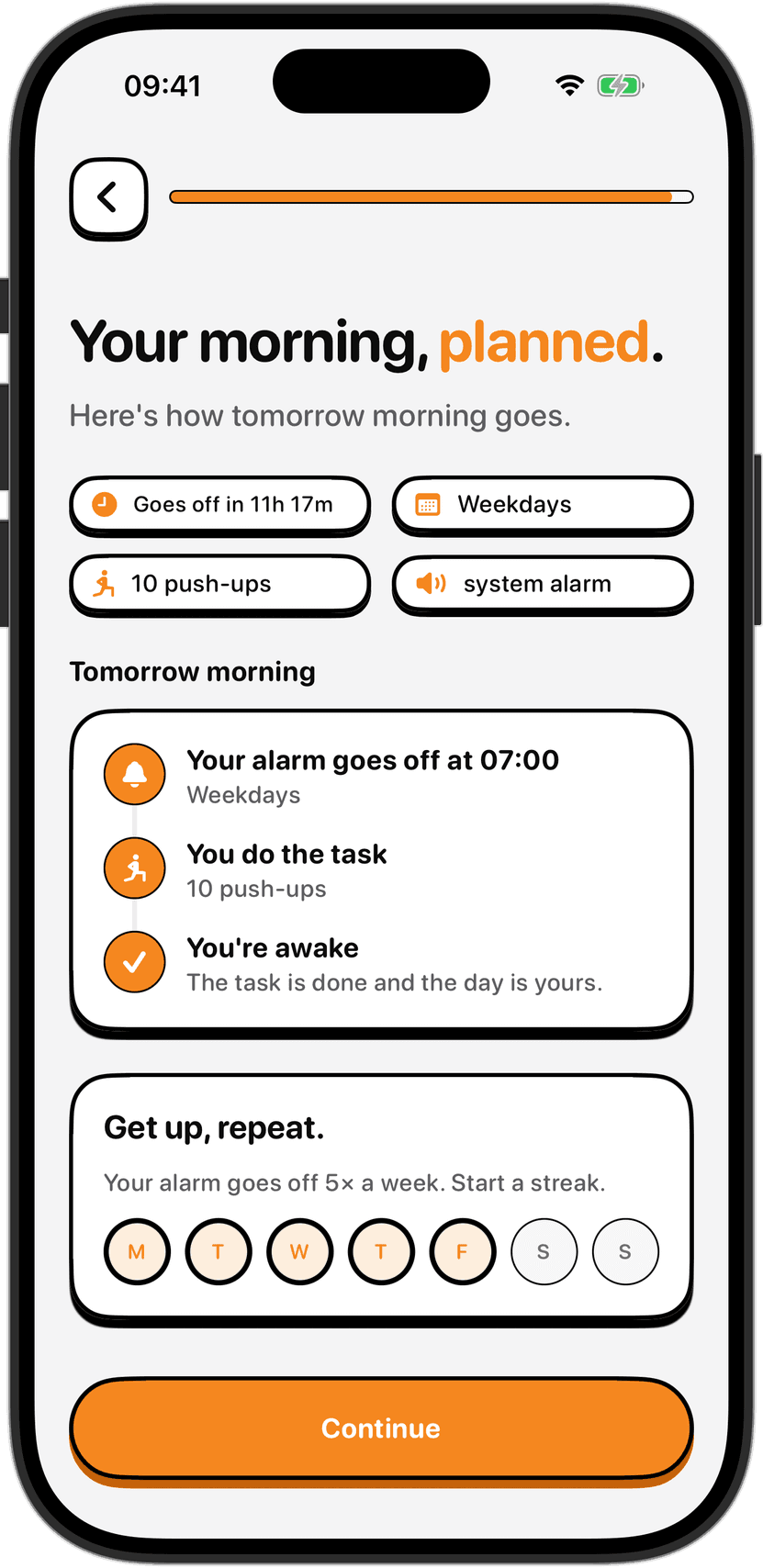
NoNap does not track sleep, so it cannot tell you whether cigarettes caused a bad night, and it does not help with quitting. What it does is take the morning decision out of your hands. There is one alarm. It uses the system alarm, so it rings through silent mode and Focus, and it cannot be dismissed from the lock screen. The only way to stop it is the wake task you chose, such as push-ups or squats counted by the camera, a math problem, or a photo. You can read more in the FAQ.
Those tasks involve movement, so clear the space around you first and stay away from stairs, glass and sharp edges. Stop if you feel pain, dizziness, shortness of breath or chest discomfort, and seek medical help if it continues.
Sources
Zhang, L., Samet, J., Caffo, B., and Punjabi, N. M. (2006). Cigarette smoking and nocturnal sleep architecture. American Journal of Epidemiology, 164(6), 529-537. https://doi.org/10.1093/aje/kwj231
Jaehne, A., Unbehaun, T., Feige, B., Lutz, U. C., Batra, A., and Riemann, D. (2012). How smoking affects sleep: a polysomnographical analysis. Sleep Medicine, 13(10), 1286-1292. https://doi.org/10.1016/j.sleep.2012.06.026
Truong, M. K., Berger, M., Haba-Rubio, J., Siclari, F., Marques-Vidal, P., and Heinzer, R. (2021). Impact of smoking on sleep macro- and microstructure. Sleep Medicine, 84, 86-92. https://doi.org/10.1016/j.sleep.2021.05.024
Jaehne, A., Unbehaun, T., Feige, B., Cohrs, S., Rodenbeck, A., Schütz, A. L., Uhl, V., Zober, A., and Riemann, D. (2015). Sleep changes in smokers before, during and 3 months after nicotine withdrawal. Addiction Biology, 20(4), 747-755. https://doi.org/10.1111/adb.12151
NHS. Quit smoking. https://www.nhs.uk/better-health/quit-smoking/
Image credits
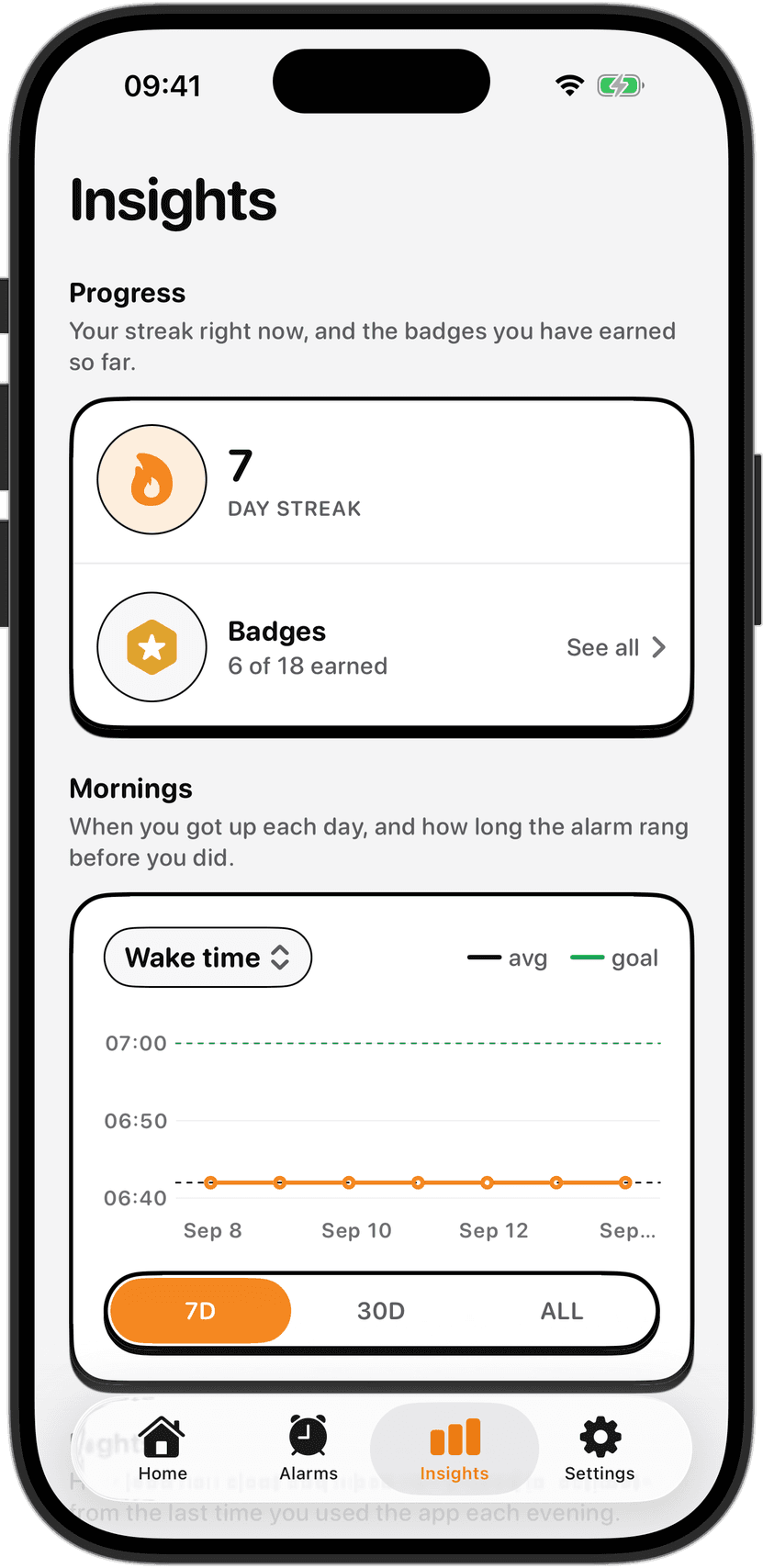
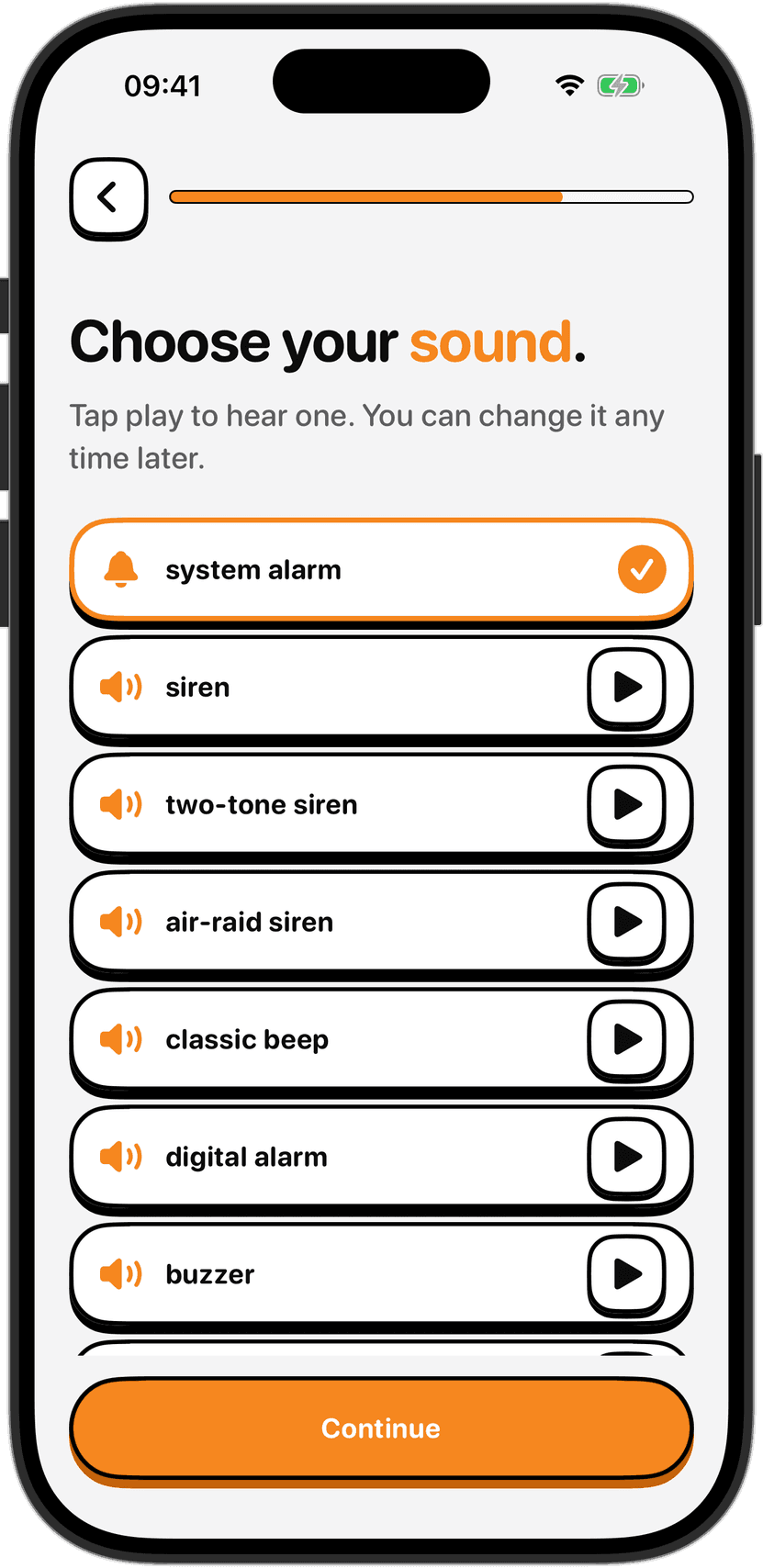
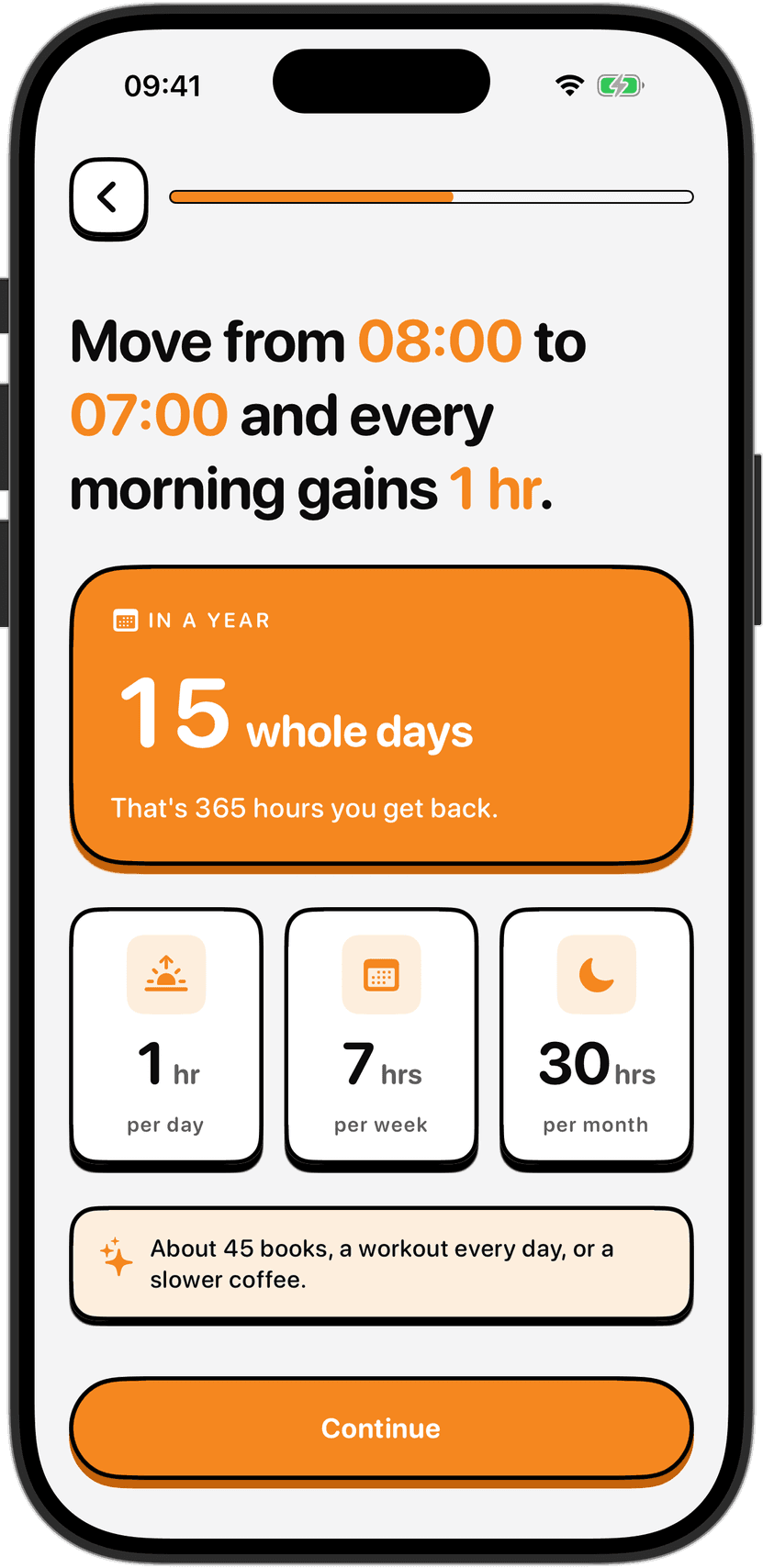
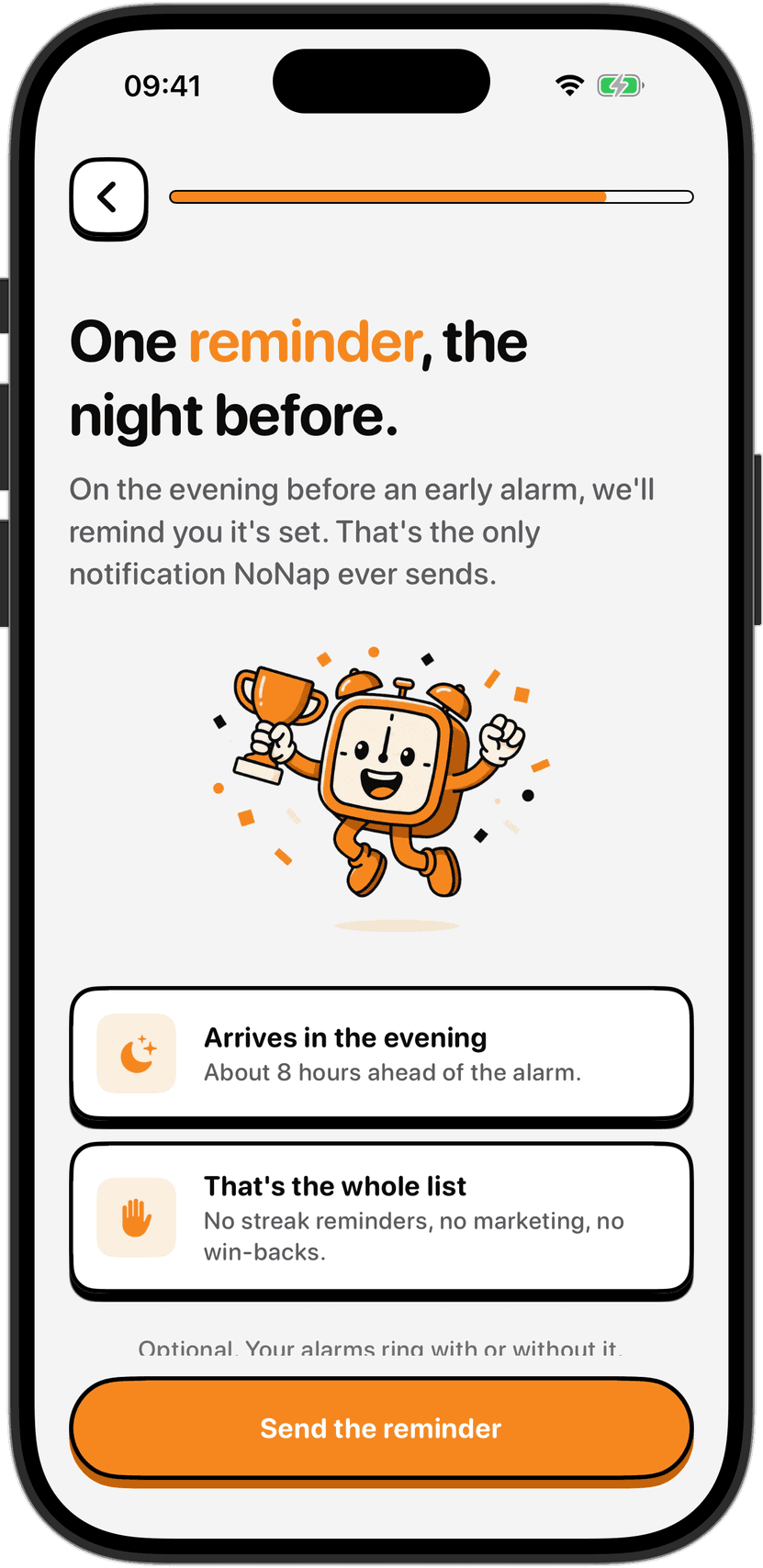
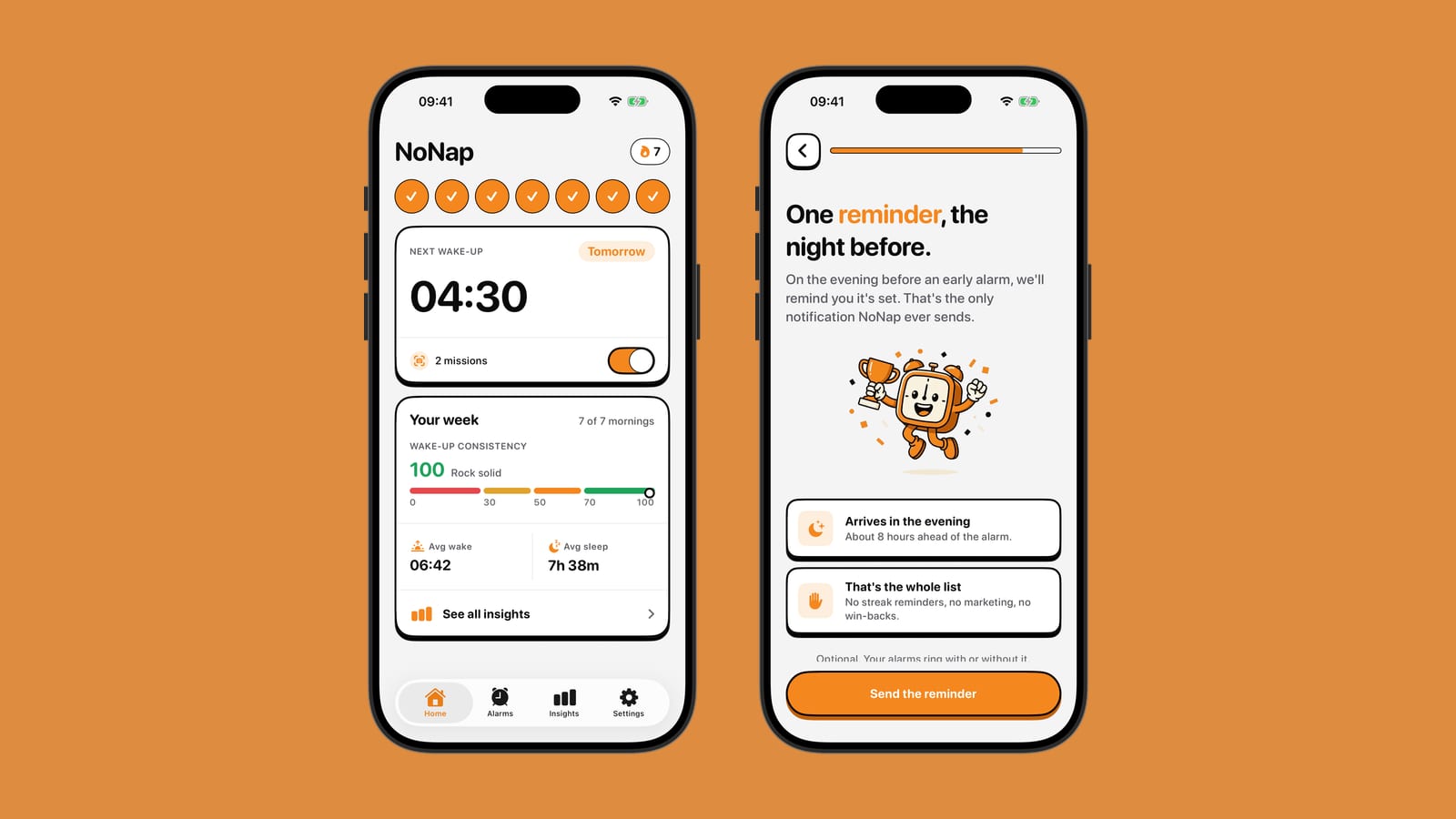
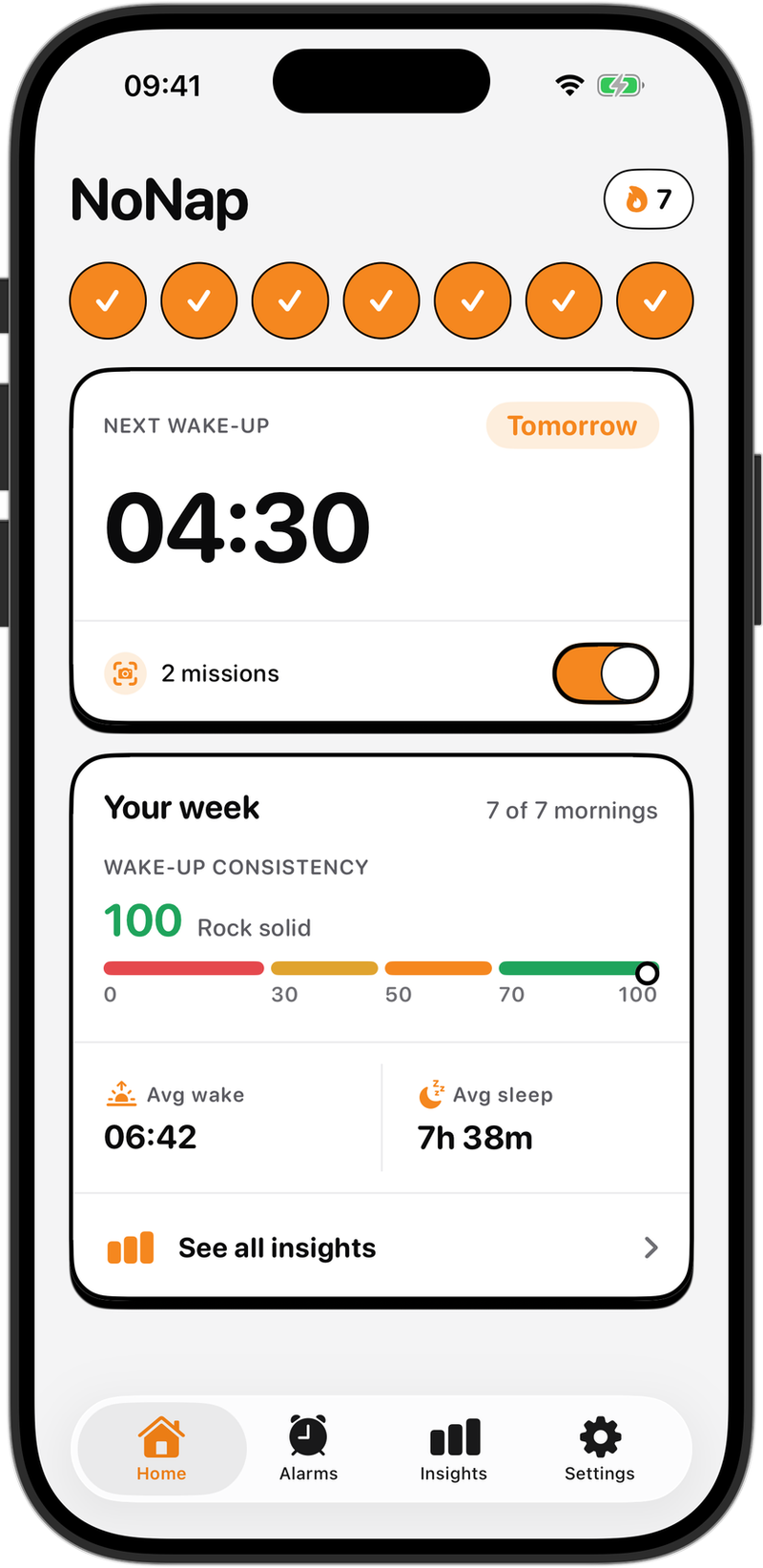
The cover and the inline image are screenshots from the NoNap app, made by Visana Studios for this post.