Sleeping with your dog or cat in the bed
How dogs and cats affect sleep quality, what research shows, allergies and disturbances, and pets that wake you before the alarm.
Visana Studios
5 min read
Many people share their beds with pets. Some nights it feels natural, even grounding. A warm body against yours. The soft sound of breathing. Other nights you wake at 3 a.m. wondering how 40 pounds of dog pushed you to the edge of a queen mattress. The question of whether pets help or hurt sleep matters if you spend a third of your life in bed, and the answer depends entirely on which animal and which human you are.
What the research shows about dogs in bed
Patel and colleagues at Mayo Clinic, in 2017, compared how dogs affect human sleep. The study was straightforward. Forty healthy adults participated, all with at least one dog at home. None had a history of sleep disorders. Half allowed their dog in the bedroom but kept it off the bed, giving it its own spot on the floor or on furniture. The other half let their dog sleep right there on the mattress, sharing the sleeping surface. Sleep was tracked for seven consecutive nights using an actigraphy device worn on the wrist, a monitor that detects movement and estimates sleep stages by pattern.
The results showed dogs in the bedroom disrupted sleep. They did this by causing arousals, those brief awakenings you might not remember the next morning. One finding surprised researchers: people sleeping with dogs actually on the bed had fewer total disruptions than people with dogs in the room but off the mattress. The best sleepers were those without dogs in the bedroom at all.
The cost was small but measurable. About 50 minutes of sleep per week, on average, for people with dogs present. None of this came from people getting up to let the dog out or to check on it. It was the dog moving around. The rustling of a dog bed. The fact that your brain, even while you slept, registered the presence of another large mammal. Your nervous system detected the dog was there. Knowing the dog was present mattered more than actually being kicked by it. Your brain stayed slightly more vigilant, ready to respond if needed.
Cats: a different picture
Cats get less research attention than dogs, which is strange given how many people sleep with them. What research exists suggests they may not disrupt sleep the same way. Endo and colleagues conducted a large survey in 2026 comparing youths and adults on co-sleeping with different bed companions. The findings were clear: cat sleepers reported higher sleep quality than dog sleepers. The difference was notable. Why? Cats may simply stay in one spot longer than dogs do. Their smaller size and quieter movement cause fewer arousals. Or perhaps cat owners have lower expectations going in, so they feel more satisfied with their sleep. The research does not yet say.
The same survey ranked other bed companions. Human partners fell between cats and dogs in terms of sleep disruption. Dogs ranked third, behind both cats and human partners. The implication is that dogs disrupt sleep more than any of the other common bed-sharers.
Allergies and sleep quality
Pets bring allergens into the bedroom: dander from their skin, fur, and dust that clings to their coats after they have been outside or moving around the house. These allergens can accumulate on pillows, mattresses, and bedding. Murkey and colleagues examined this relationship in 2025. People living in homes with higher bedroom levels of pet allergens reported more nighttime awakenings and took longer to fall asleep compared to those with lower allergen exposure. Beyond the direct allergen load, allergy symptoms themselves like nasal congestion and skin itching fragment sleep, leading to lighter and less restorative rest that leaves you tired the next day.
If you suspect allergies are affecting your sleep, practical options exist. Keep the pet out of the bedroom a few hours before bed and right after waking, when sleep pressure and cortisol rhythms matter most. Wash your pet more frequently to reduce the allergen load in its fur. Use a HEPA filter in the bedroom, changed monthly, to capture circulating particles. Each approach has tradeoffs: increased pet bathing can stress an animal, air filters need maintenance, and keeping a pet out of your room may disrupt the human-pet relationship you value.
When pets wake you before the alarm
Pets sometimes wake you minutes before your alarm. This seems like they've learned your schedule. Likely it's your body clock, the pet's routine, and selective memory for the times it worked.
Pets do wake people. This matters if you're sleep-deprived already. Fragmented sleep is not the same as continuous sleep, even if the total hours match. You can offset some by going to bed earlier, if time allows.
Practical options
If your pet stays in bed and sleep is good, keep it there. If sleep is poor and your pet is in the room, run a two-week experiment: move the pet out. Track what changes. Longer to fall asleep? Fewer awakenings? Sleep quality is personal.
A pet bed on the floor, beside yours but not touching, keeps the pet close without disrupting the mattress. A crate in the room is another option: nearby but confined, usually quieter.
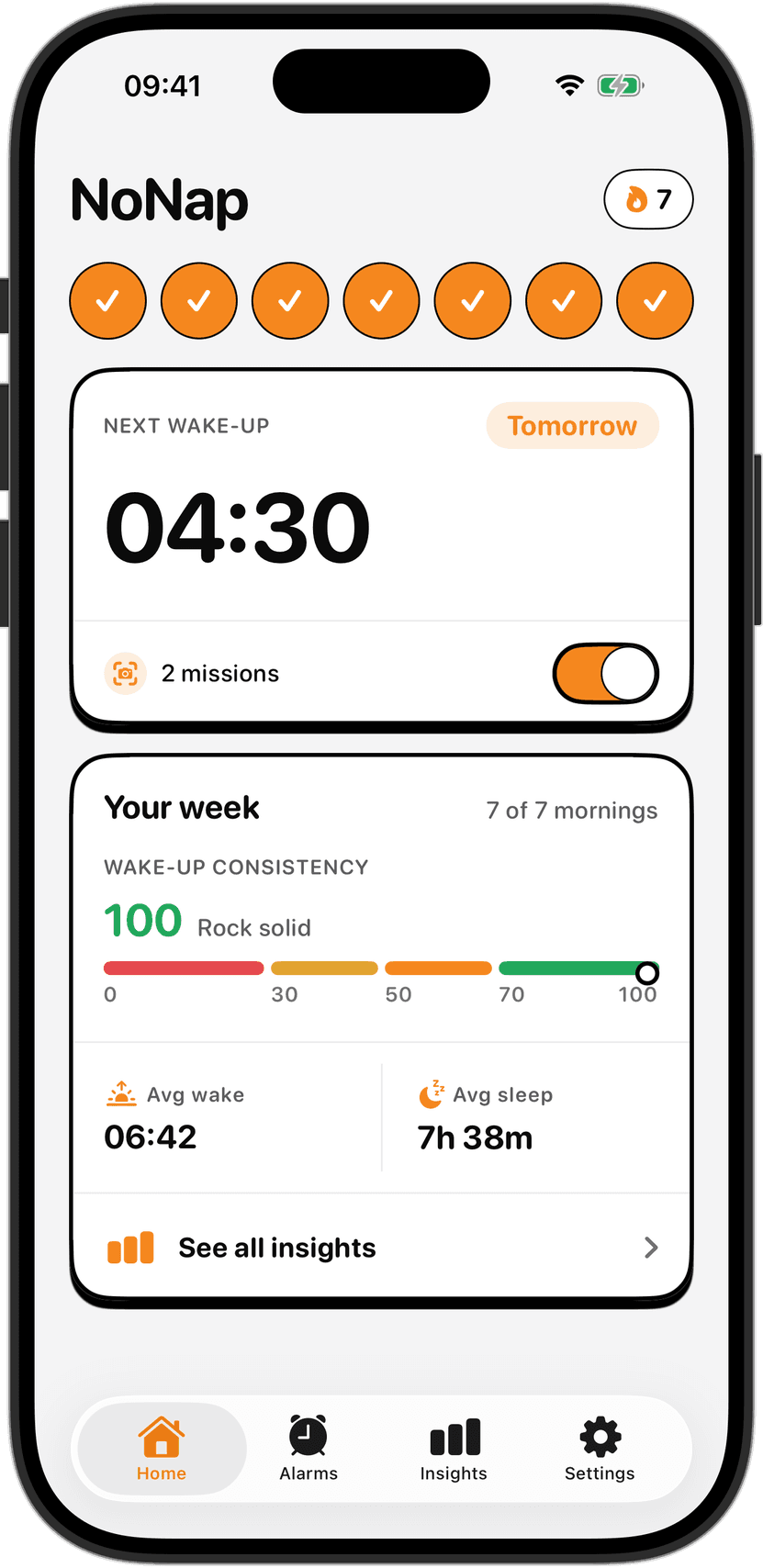
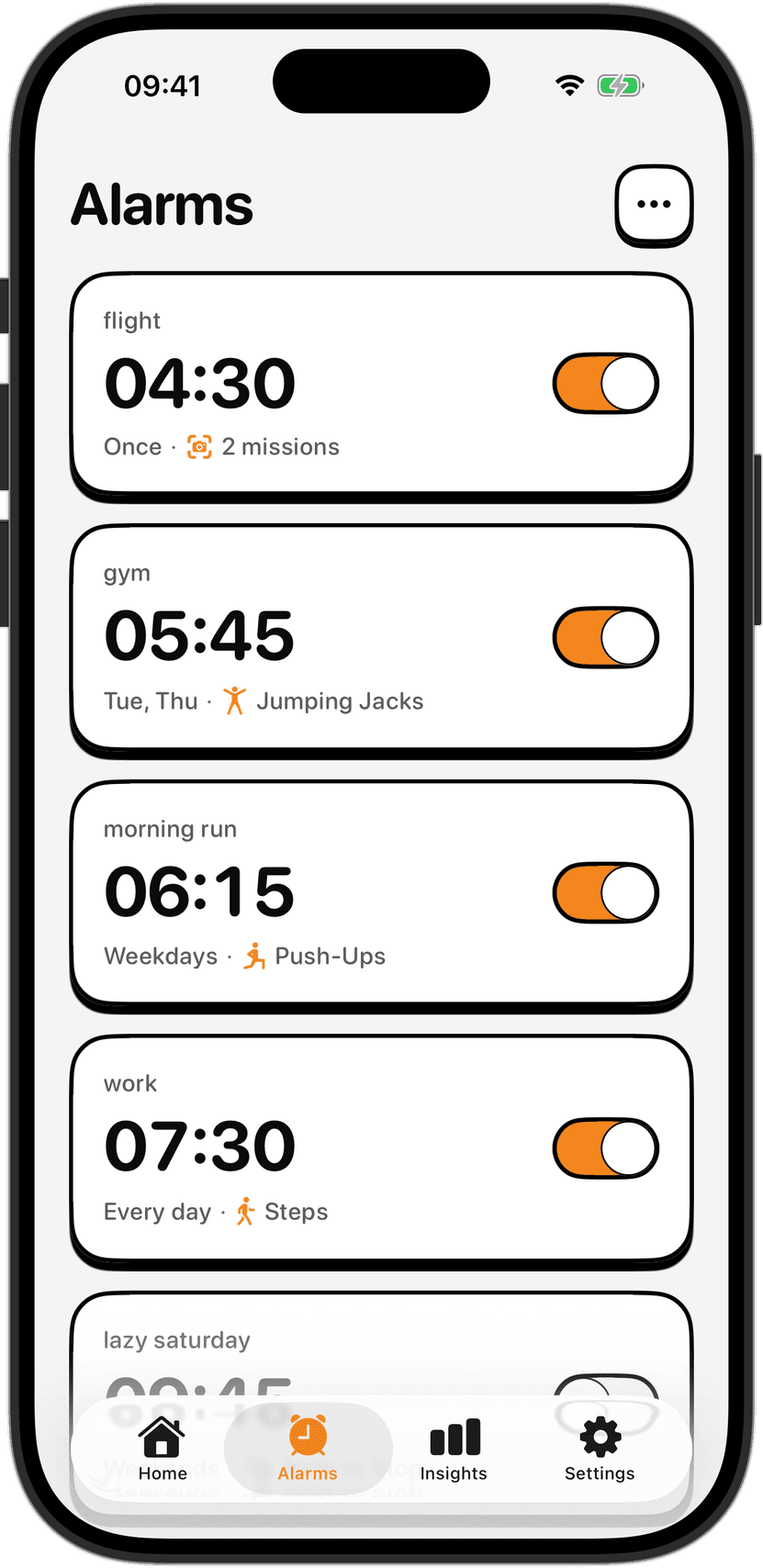
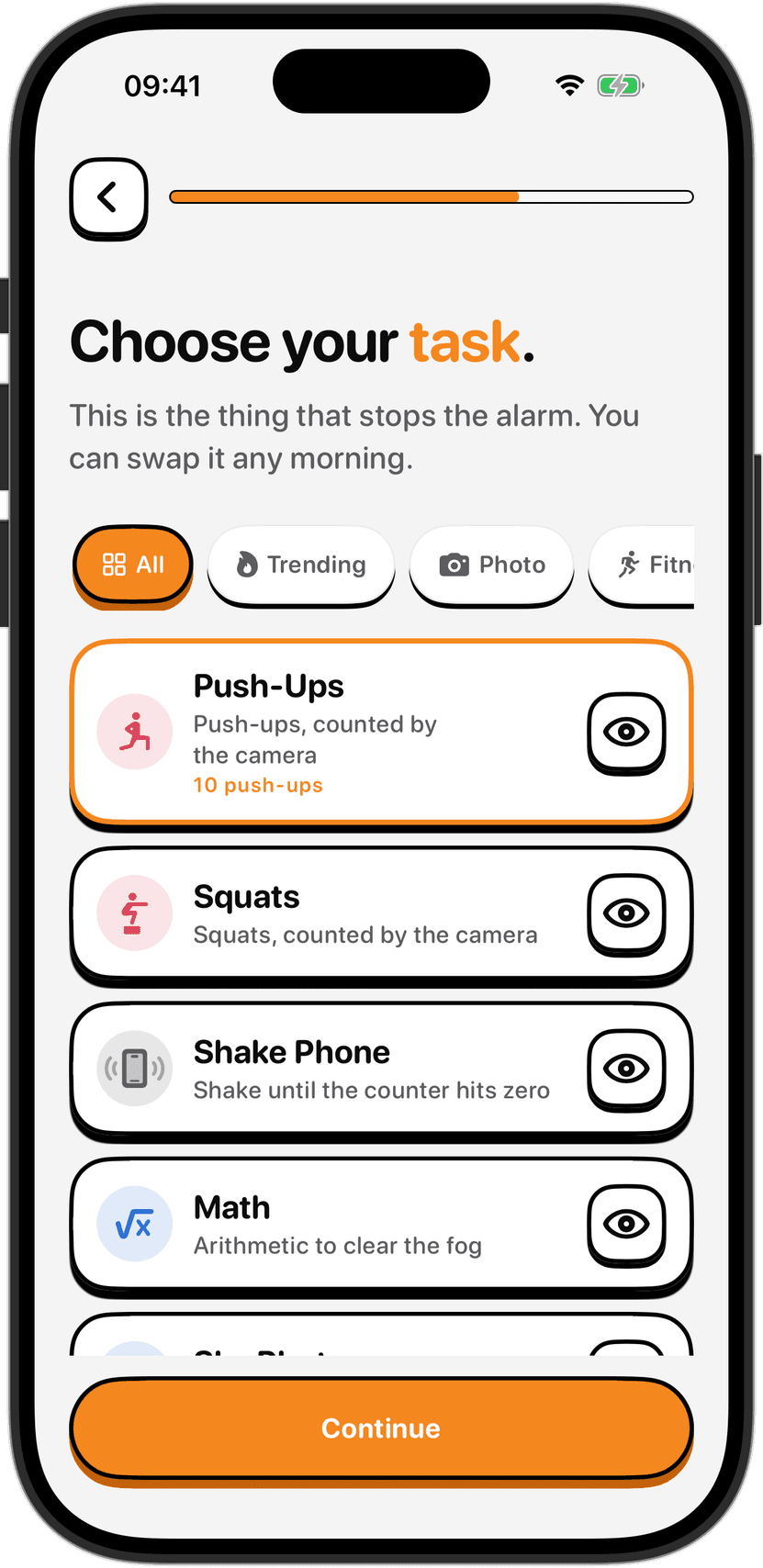
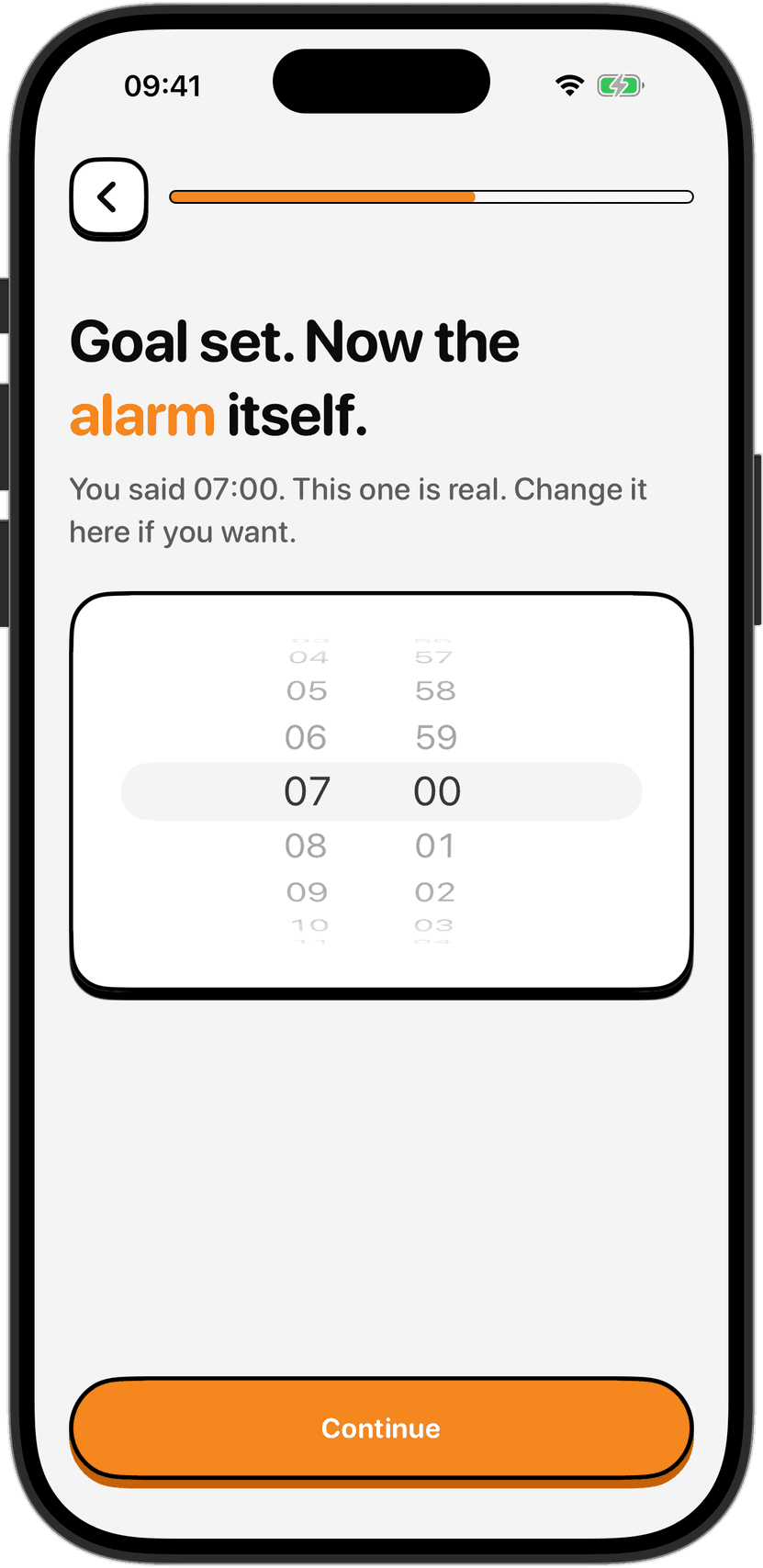
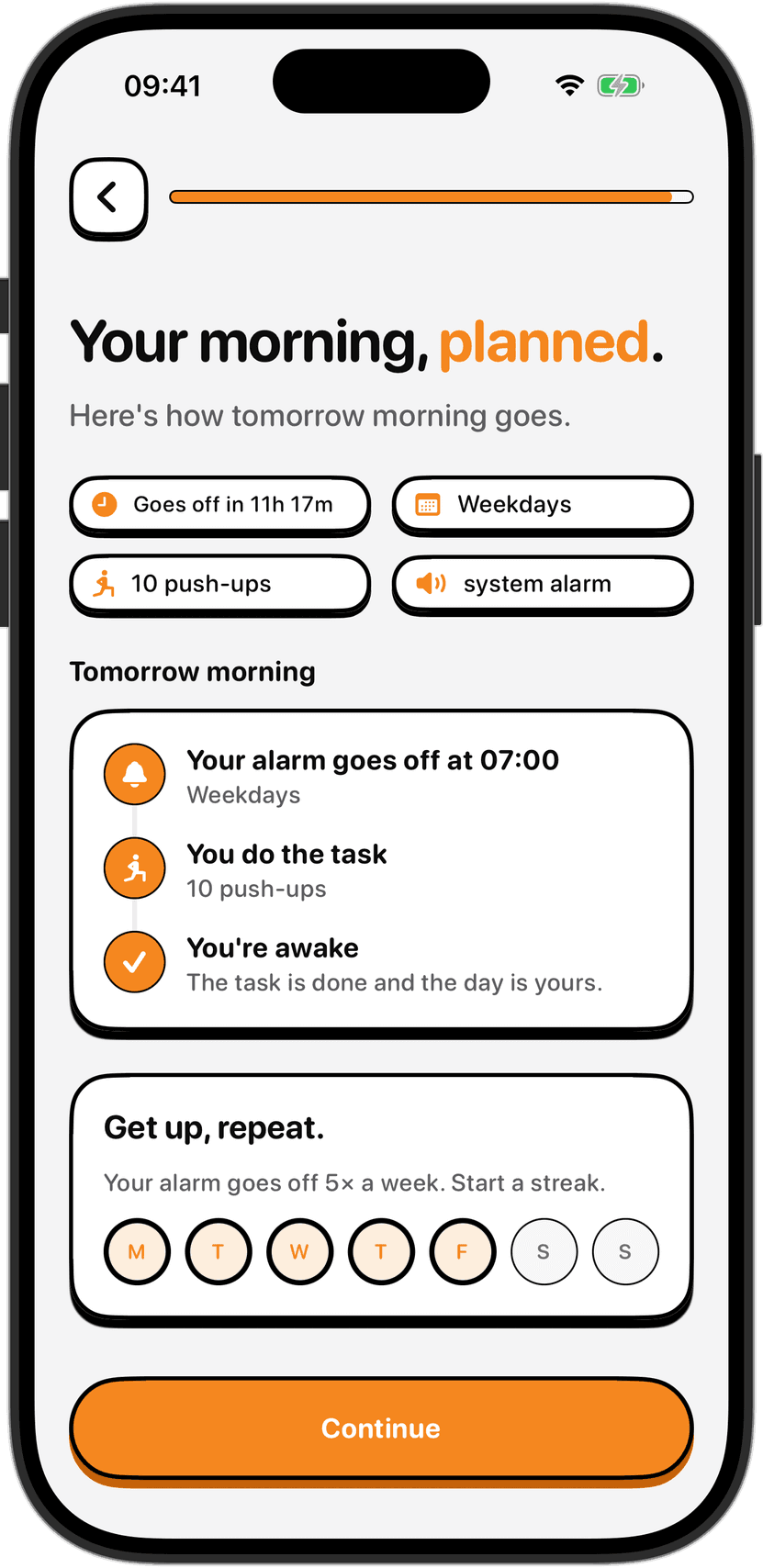
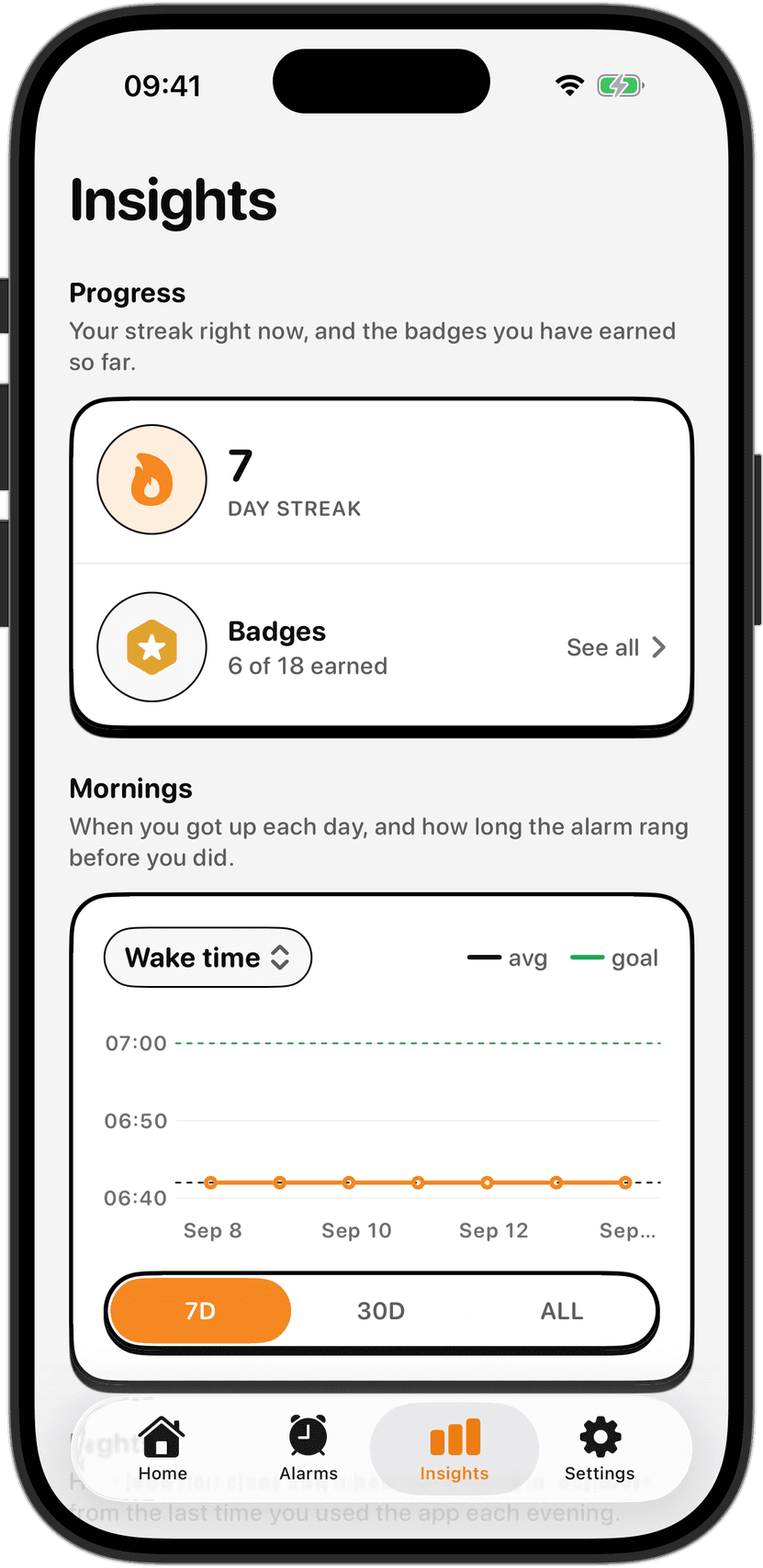
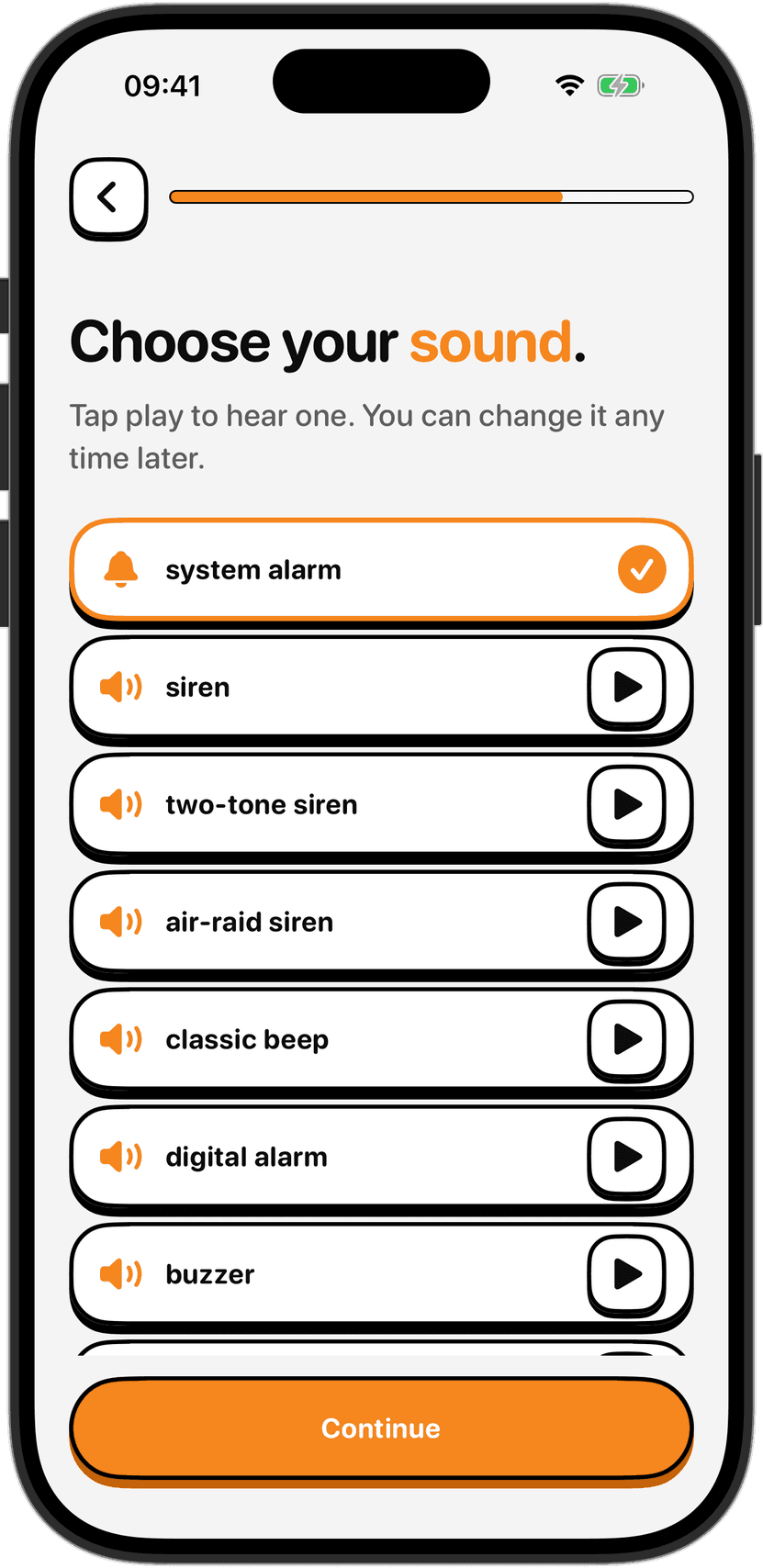
For wake time to anchor your sleep rhythm, it needs to stay fixed. Sleep inertia fades faster when you stick to the same wake time. NoNap uses Apple's system alarm on iPhone, which rings through silent mode and cannot be dismissed from the lock screen. You finish a wake task instead: push-ups or squats (counted by camera), shake the phone, solve a math problem, take a photo, or just get out of bed. If morning exercise isn't safe, pick a gentler task like Math or Shake Phone.
The research suggests pets offer comfort that may outweigh the sleep cost. Some nights the benefit wins. On others, the dog sleeps on the floor.
Sources
Patel, S. I., Miller, B. W., Kosiorek, H. E., Parish, J. M., Lyng, P. J., and Krahn, L. E. (2017). The Effect of Dogs on Human Sleep in the Home Sleep Environment. Mayo Clinic Proceedings, 92(9), 1368-1372. doi.org/10.1016/j.mayocp.2017.06.014
Endo, K., Shimatani, K., and Suzuki, N. (2026). Pet Co-Sleeping and Well-Being: Evidence from Two Cross-Sectional Online Surveys of Youths and Adults. Clocks & Sleep, 8(2), 25. doi.org/10.3390/clockssleep8020025
Murkey, J. A., Wilkerson, J., Salo, P. M., Thorne, P. S., Zeldin, D. C., and Jackson, C. L. (2025). Indoor allergen exposure in relation to sleep health among US adults. Journal of Allergy and Clinical Immunology: Global. doi.org/10.1016/j.jacig.2025.100441
Image credits
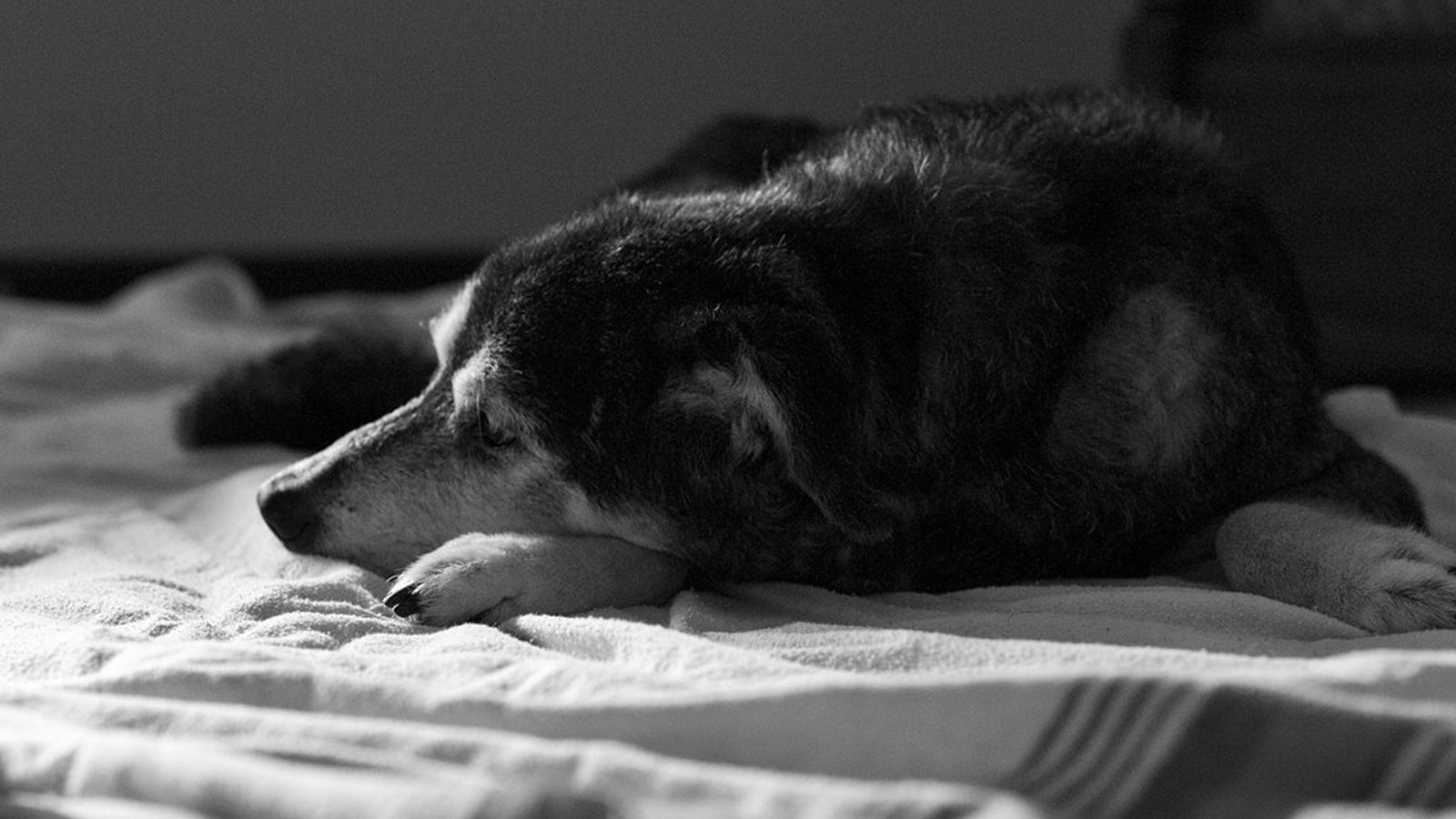
Cover photo: dog sleeping on a bed (black and white photograph). Photo by cogdogblog on Flickr, licensed under CC0 (https://www.flickr.com/photos/37996646802@N01/15613116756).